Field Notes document the residency in real time. They include photographs, reading notes, journal entries, processes, painting studies, questions, and unfinished ideas as they emerge. Some later become Witness Essays or paintings. Many remain simply as records of the work in progress.
What follows is a chronological timeline beginning in December 2025. Each entry records a moment, observation, or decision that contributed to the body of work.
It is best read in order.
(or jump to a month):
December 2025
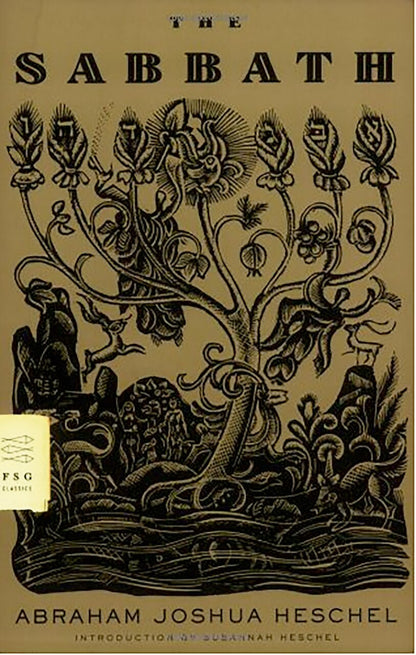
Re-Reading: The Sabbath by Abraham Joshua Heschel
“A cathedral in time.”
I’m beginning to suspect that rest isn’t recovery from work. It might be a way of organizing a life.
I don’t know what this becomes yet.
A different palette
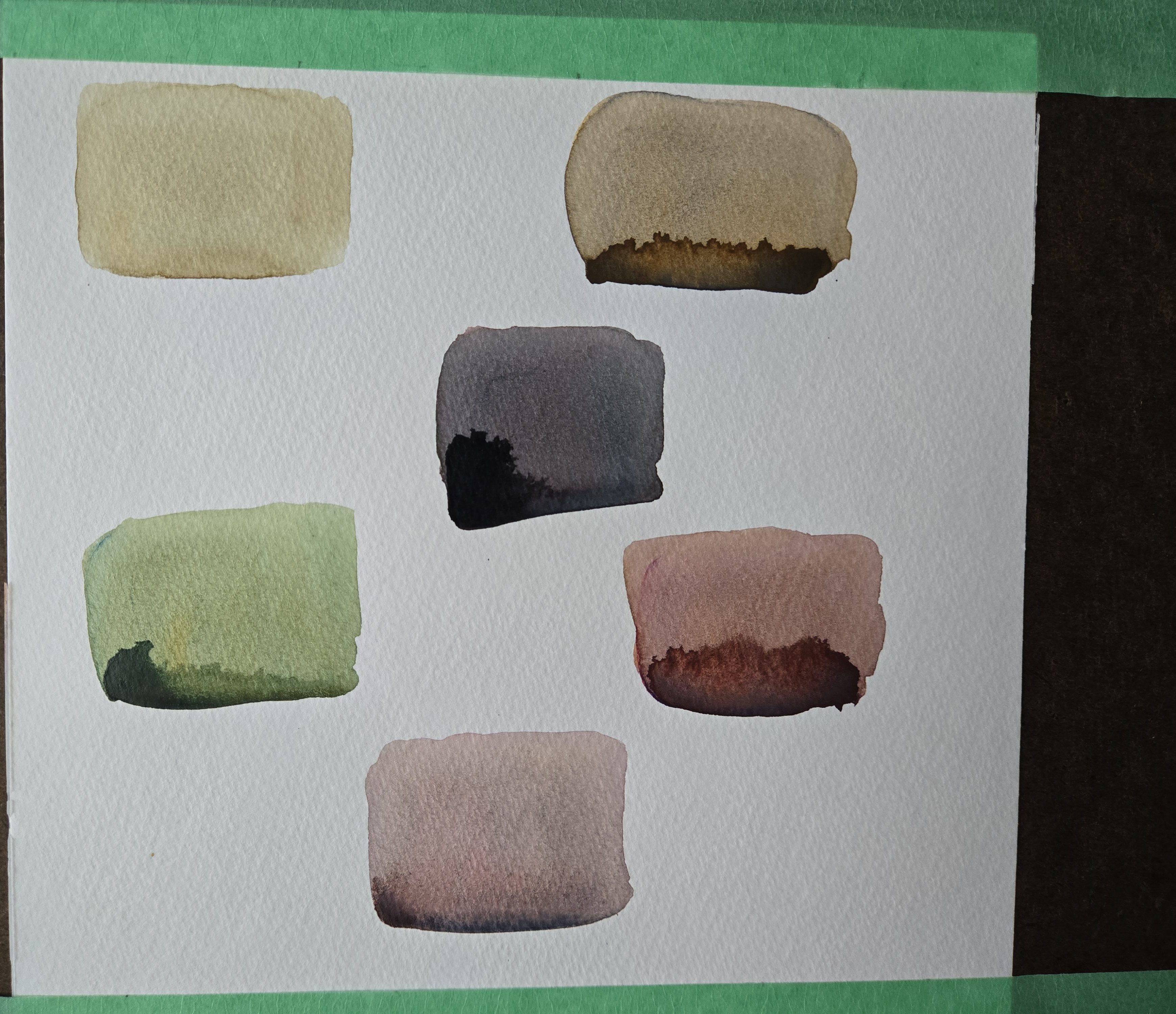
At the same time I was reading The Sabbath, I was experimenting with watercolour palettes.
The colours surprised me. They were quieter than what I usually reached for. Earthier. Less interested in announcing themselves.
Around the same time another thought appeared.
Maybe I didn’t want to paint things that were simply beautiful.
Maybe I wanted to paint things that were true.
I was becoming less interested in making attractive paintings and more interested in making honest ones.
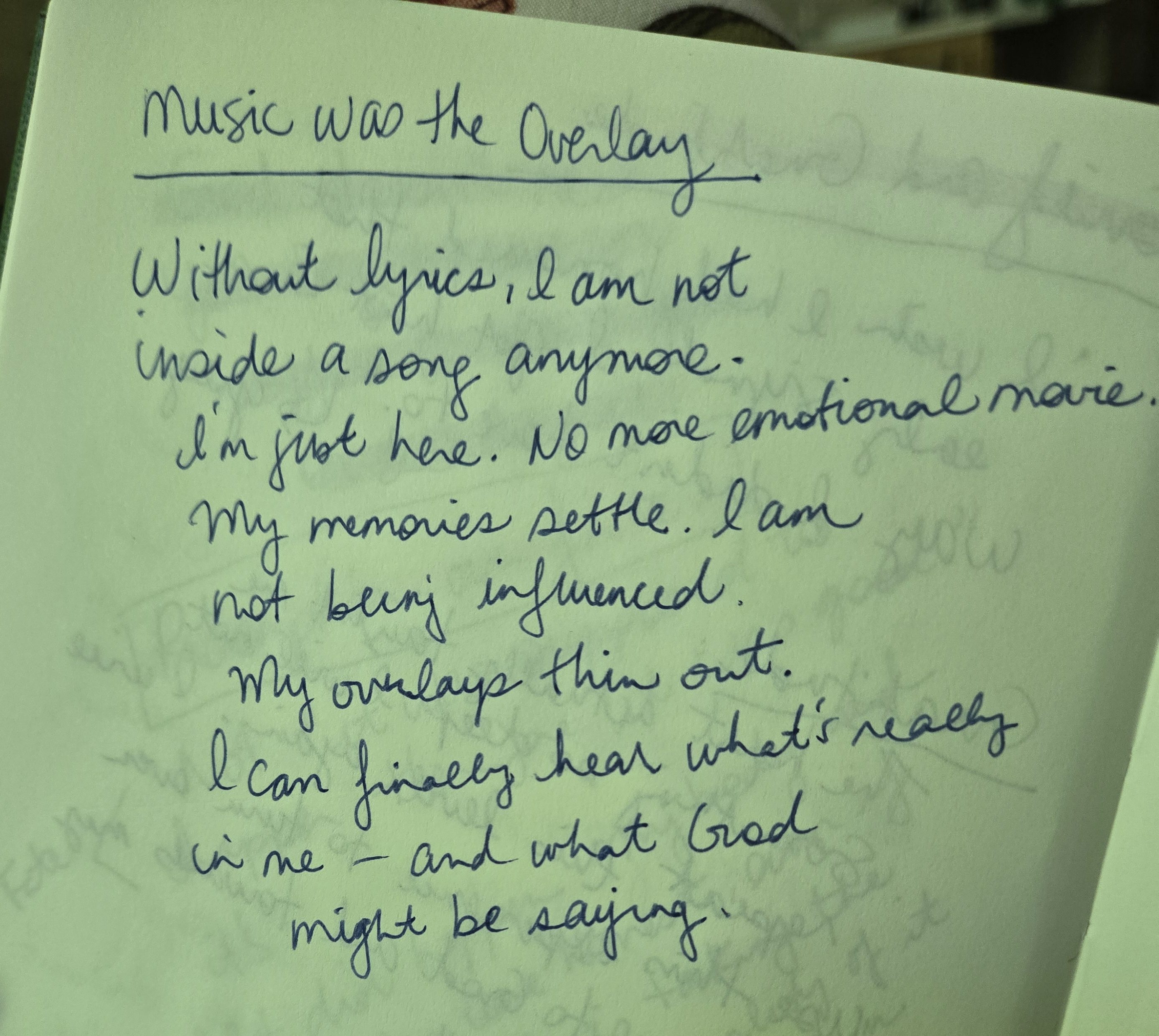
Music was the overlay
When I stopped listening to music with lyrics, I expected silence.
Instead, I noticed something else.
My imagination became quieter.
Memories settled.
I wasn’t constantly interpreting my life through someone else’s words. Narrating, analyzing, anticipating, interpreting, internalizing, mirroring. Most people do this to some degree.
I could pay closer attention to what was actually there.
The questions became more persistent.
I spent weeks trying to understand why certain patterns kept repeating and why my body seemed to know things before I did. I wrote constantly. Read constantly. Asked more questions than I answered.
One idea kept returning:
What if the point isn’t to recover from one event, but to learn how to live differently?
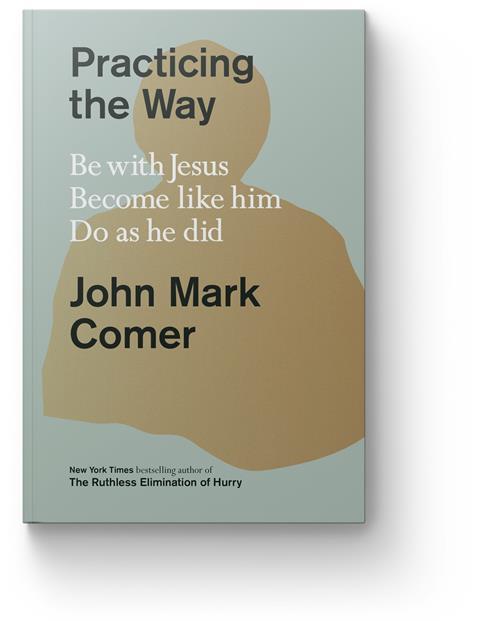
Reading: Practicing the Way by John Mark Comer
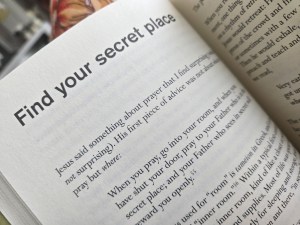
Matthew 6:6.
Go into your room, close the door and pray.
I underlined it.
I found myself looking at ordinary places differently.
I stopped being someone who merely admired Jesus and wanted to start arranging my life around apprenticing to Him.
I could try…
Reading became a practice.
I wasn’t interested in just collecting more books.
I wanted each new addition to change something tangible in my life.
So I started asking every book the same questions:
- Over the years, what is this doing to a person like me?
- What is it training me to notice, want, and choose?
- What is it exposing that I’d rather keep hidden?
- What does obedience look like this week?
- How could I misuse this to avoid my real life?
The questions mattered more than the books.
The North Star
As different books accumulated, the same ideas kept returning.
Instead of collecting quotations, I began collecting first principles.
Not conclusions. But things that were becoming difficult to ignore.
Our hearts are restless until they find their rest in God.
Why should I distrust what the body already knows?
Calm is the fruit. Agency is the root.
Jesus’s calm came from sovereignty, not self soothing.
Solitude is a furnace: not escape from people, but presence with God.
The art that comes out of Secret Places responds to a real cost that has already been paid.
Is this making me more free, or more managed?
Two Days with My Past
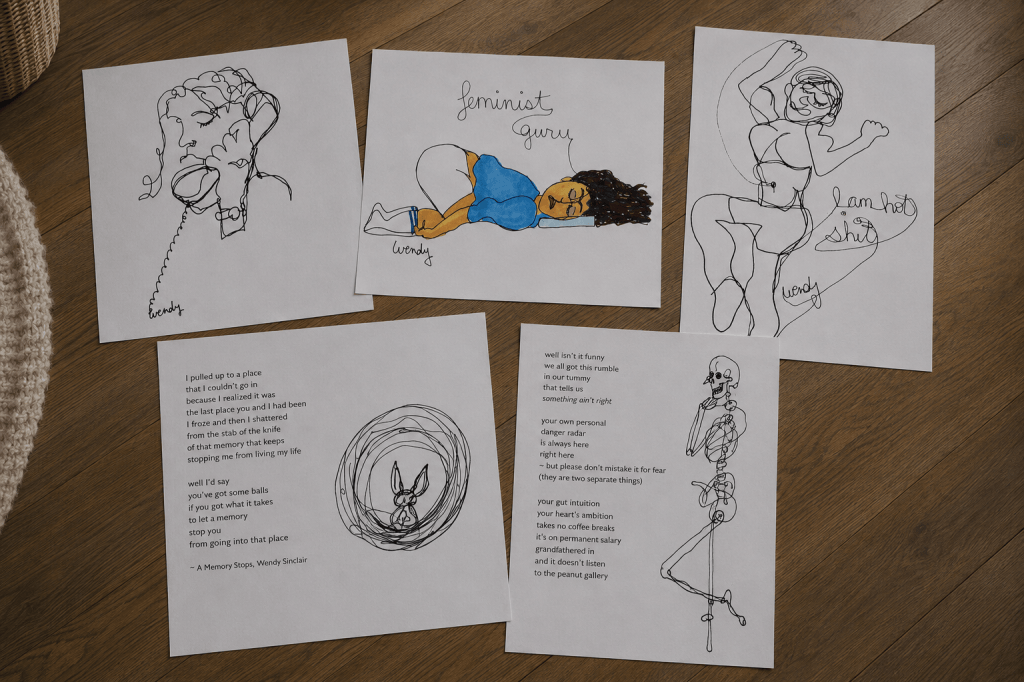
For two days I did almost nothing except spread years of work across the floor.
One-line drawings.
Poems.
Published short stories.
Diary entries and loose notes.
I wasn’t looking for the best work.
I was looking for patterns.
At first I thought I was organizing an archive.
Eventually I realized I was reading a record of my own nervous system.
I started calling it Telemetry.
The drawings were profound because they were honest.
Like a black box after a flight, they had recorded things I hadn’t understood while I was living them.
The same themes appeared again and again.
~ Longing.
~ Performance.
~ Vigilance.
~ Boundaries.
~ Anticipation.
I stopped asking, “Is this a good drawing?”
I started asking, “What was my body trying to tell me here?”
That question eventually became the foundation of the first chapter of the residency.
Building the Architecture
Reading outputs. Painting seeds. Field study logs. Retreat plans. Frameworks. Essay topics. Operating documents. Quarterly reviews. Maps of the residency.
At first it felt excessive.
Later I understood what I was really building.
I had spent years collecting interesting thoughts.
Now I wanted an ecosystem where every book, painting, photograph, lesson, epiphany, question, and observation could speak to one another.
The work stopped feeling like separate projects.
It became the necessary work to create one body of work.
Making Room
Before I knew what the residency would ask of me, I knew it would require space.
I booked four silent retreats for the year. They became fixed points around which the rest of life would organize.
At this time, they are simply dates in a calendar.
Silencing the Inputs
I had a hunch. Not about music. About attention. So I turned almost everything off. Social media. Streaming. Content. Consuming.
And especially, lyrical music.
Instrumentals remained. Silence remained.
Something in me relaxed. I knew this was truth. So I just kept going with it…
The Fawn
I was trying to understand vigilance.
Not as an idea.
As something living.
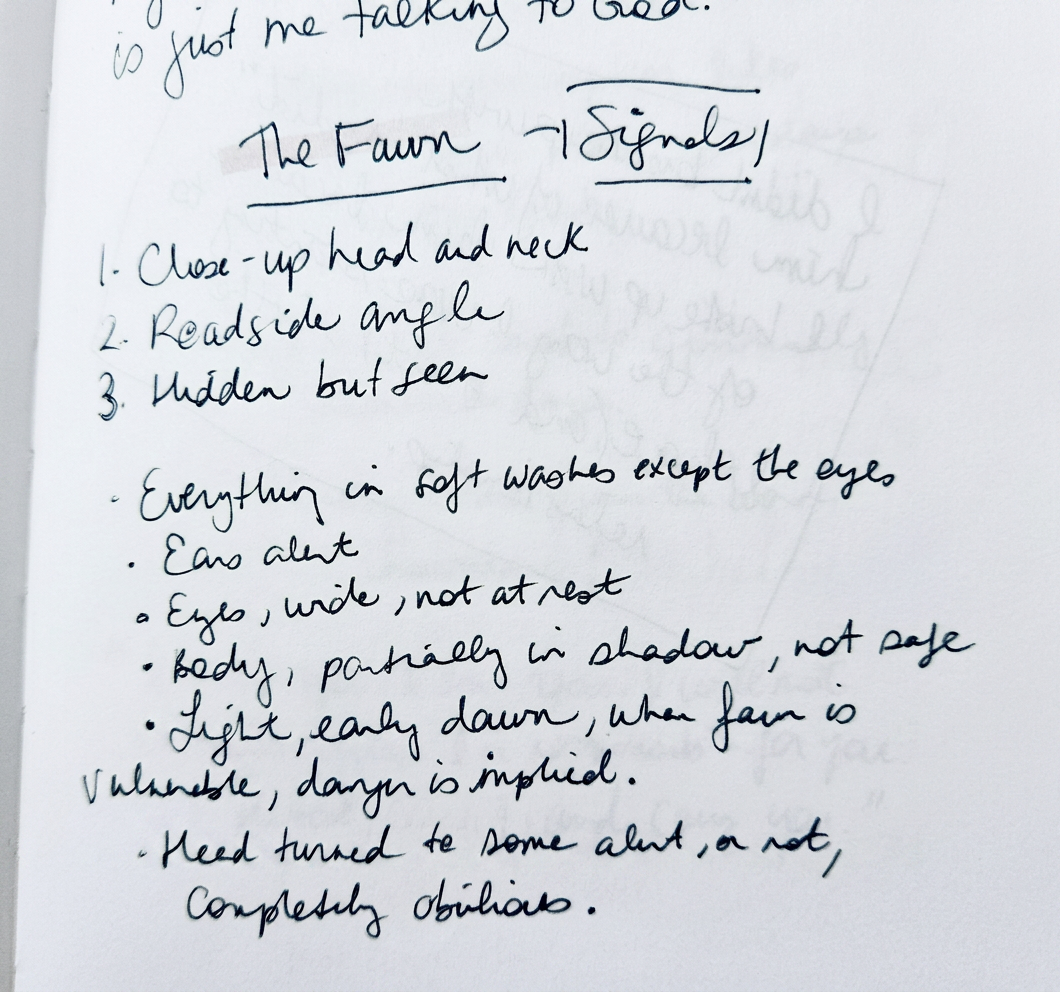
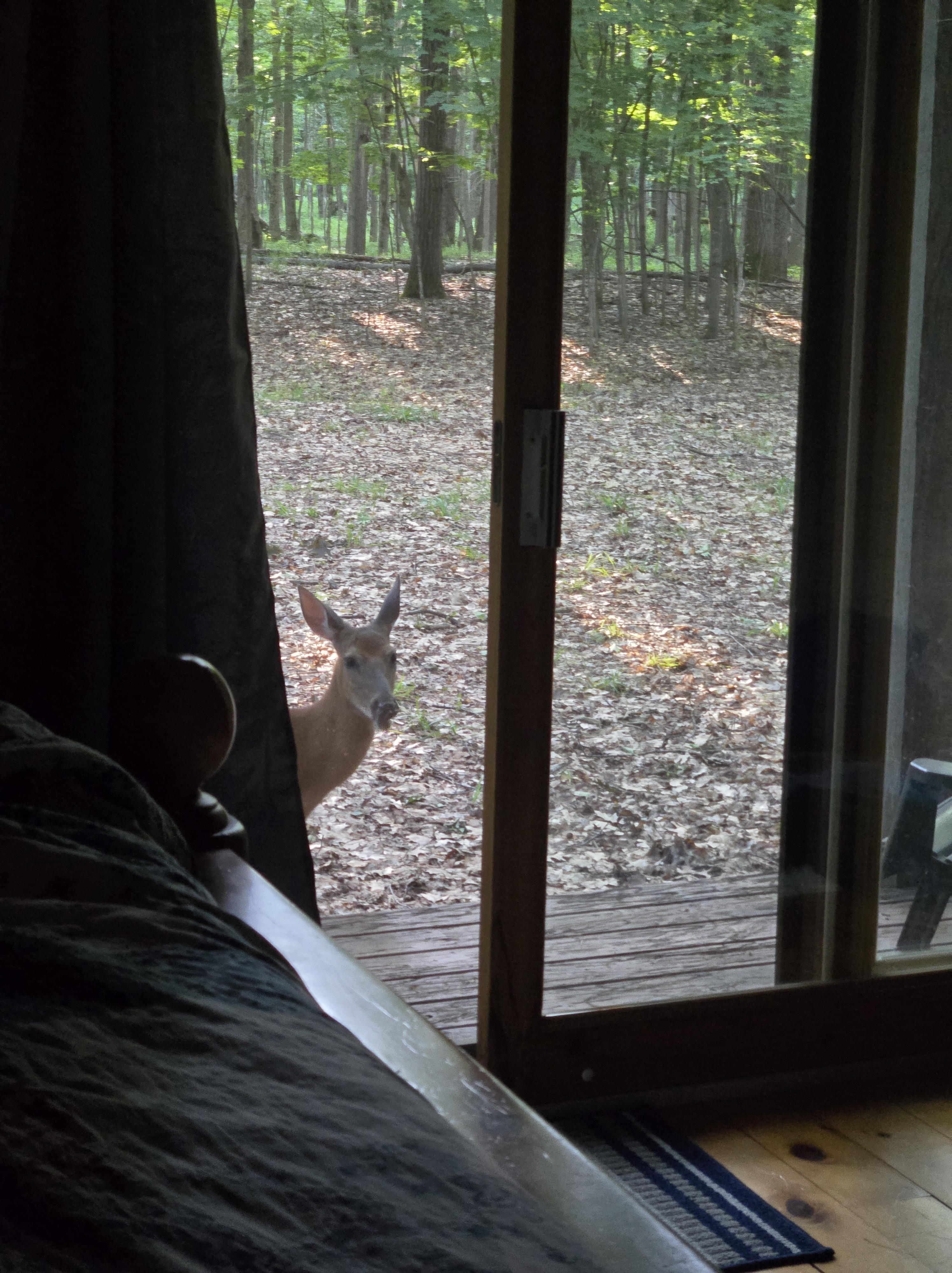
I kept returning to the image of a young deer.
~ Alert.
~ Listening.
~ Ready to flee.
It also made me notice something unexpected.
To fawn means to appease in order to stay safe.
I had been doing both.
My body was always listening for danger.
And I had learned to become agreeable long before I learned to become safe.
I wondered what it looked like to grow into safety.
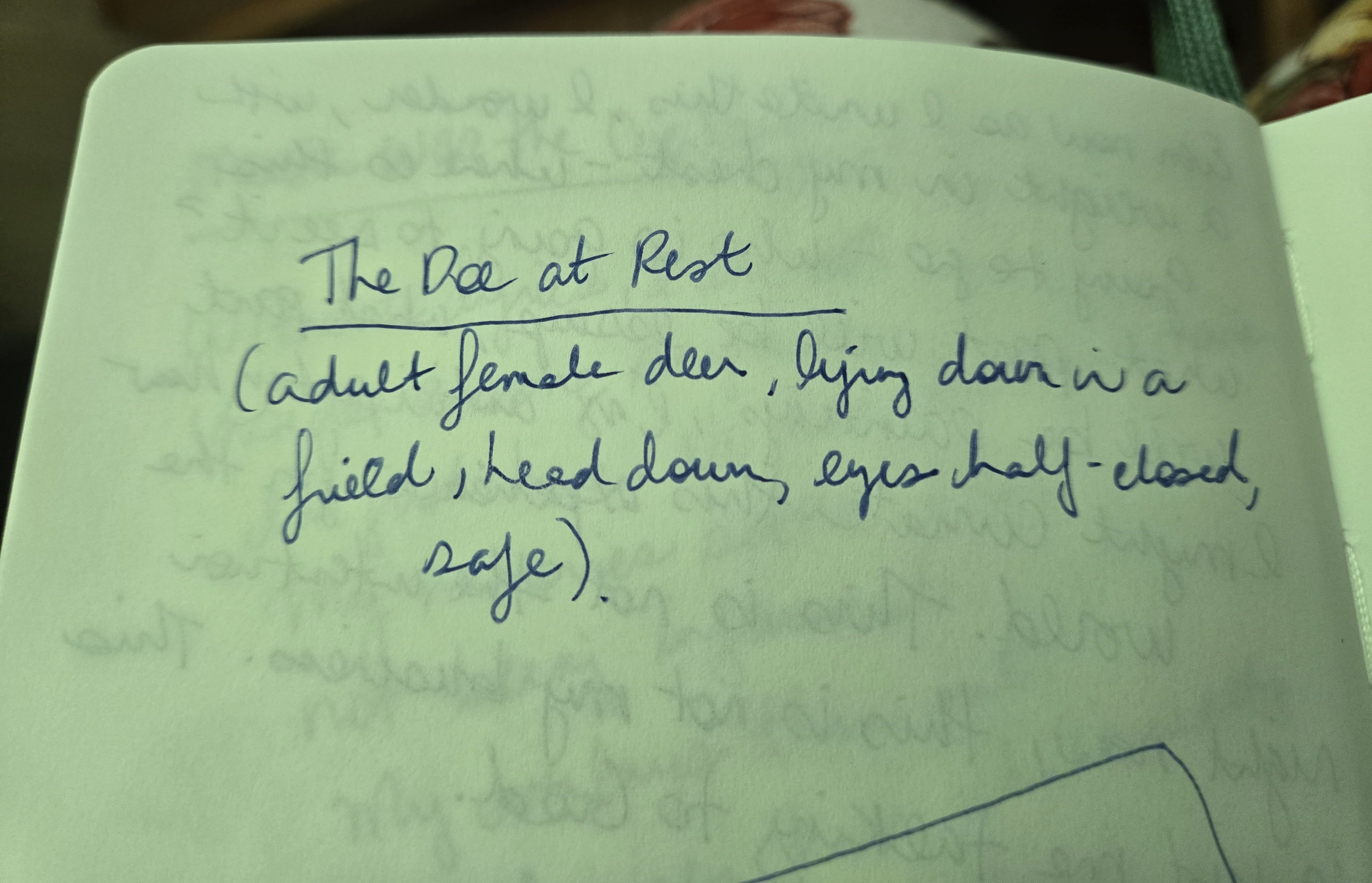
The Doe at Rest
Adult deer, lying down in a field, head down, eyes half-closed, safe.
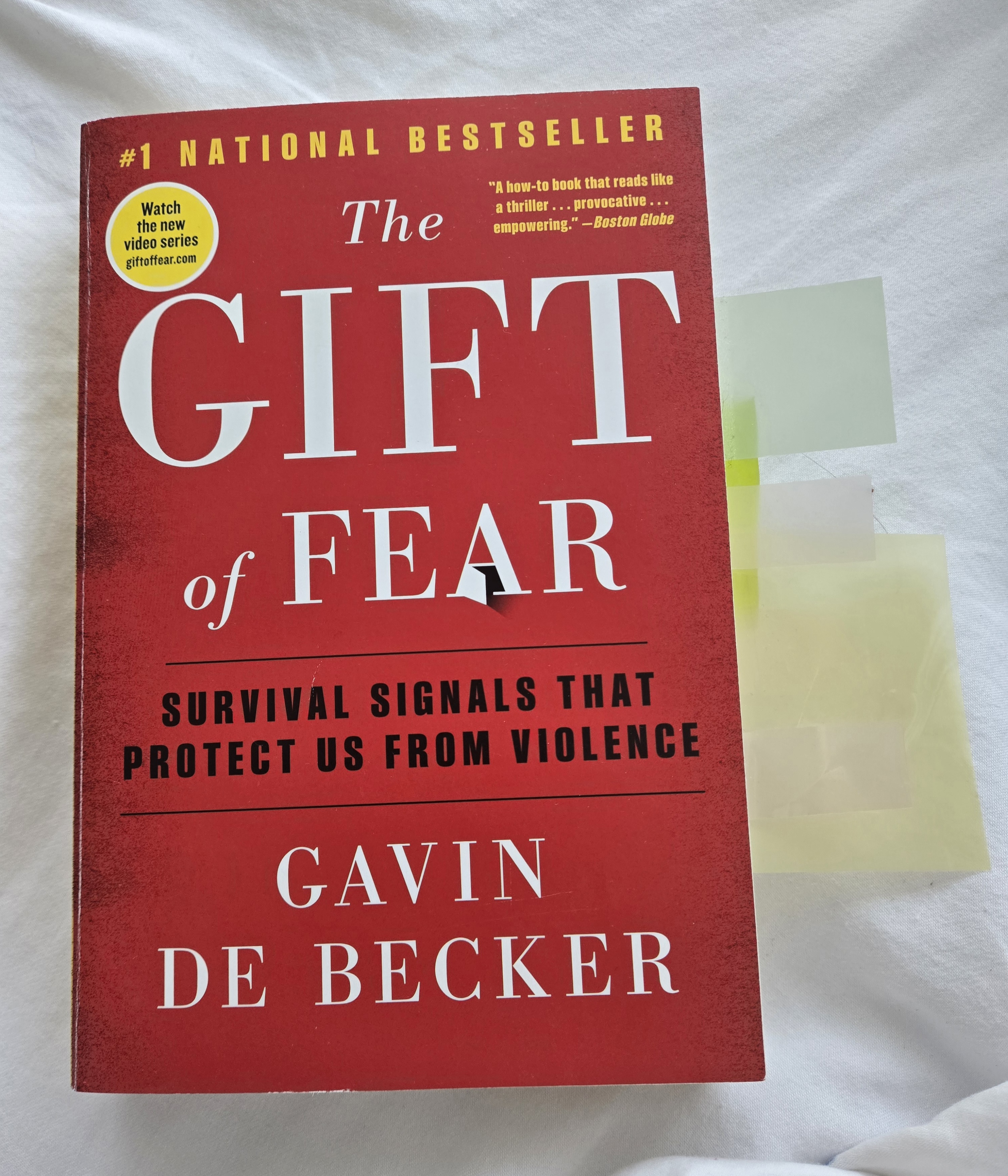
Reading: The Gift of Fear
I assumed this would be a book about safety from violence.
But the book wasn’t about that.
It was about learning to distinguish genuine danger from the habit of overriding intuition.
For a long time I accepted emotional risk as normal.
I assumed the cost I had been absorbing was manageable.
The book challenged that assumption.
Not by encouraging suspicion.
But by suggesting that vigilance has a purpose.
That fear, properly understood, can be protective rather than controlling.
It helped me understand that some of what I had been calling “being open” was actually ignoring signals that deserved attention.
Re-Reading: Women Who Run with the Wolves
The body knows.
I finally had a name for it:
Signals.
Then came the harder question.
If the body already knows…
why don’t we listen?
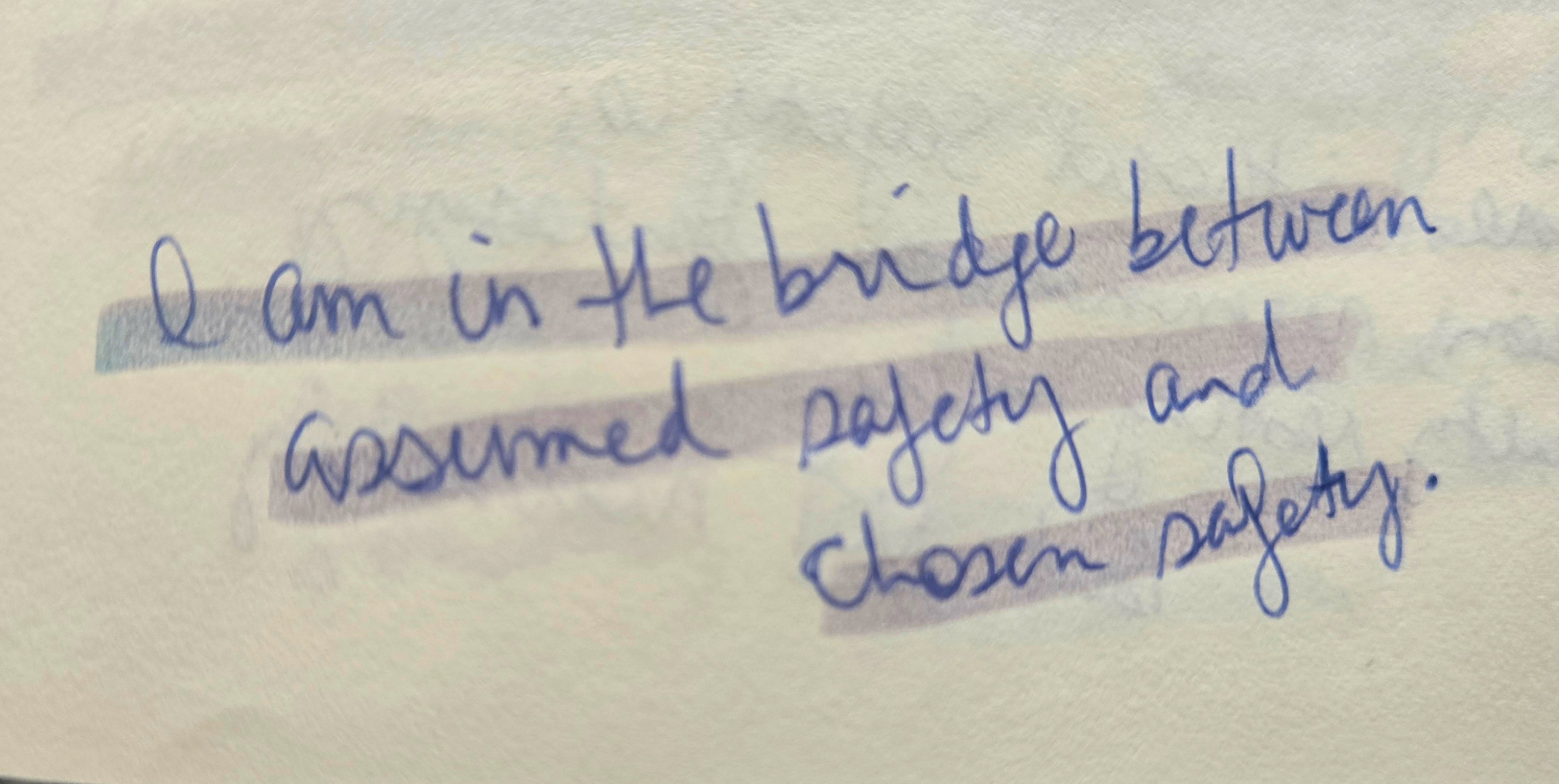
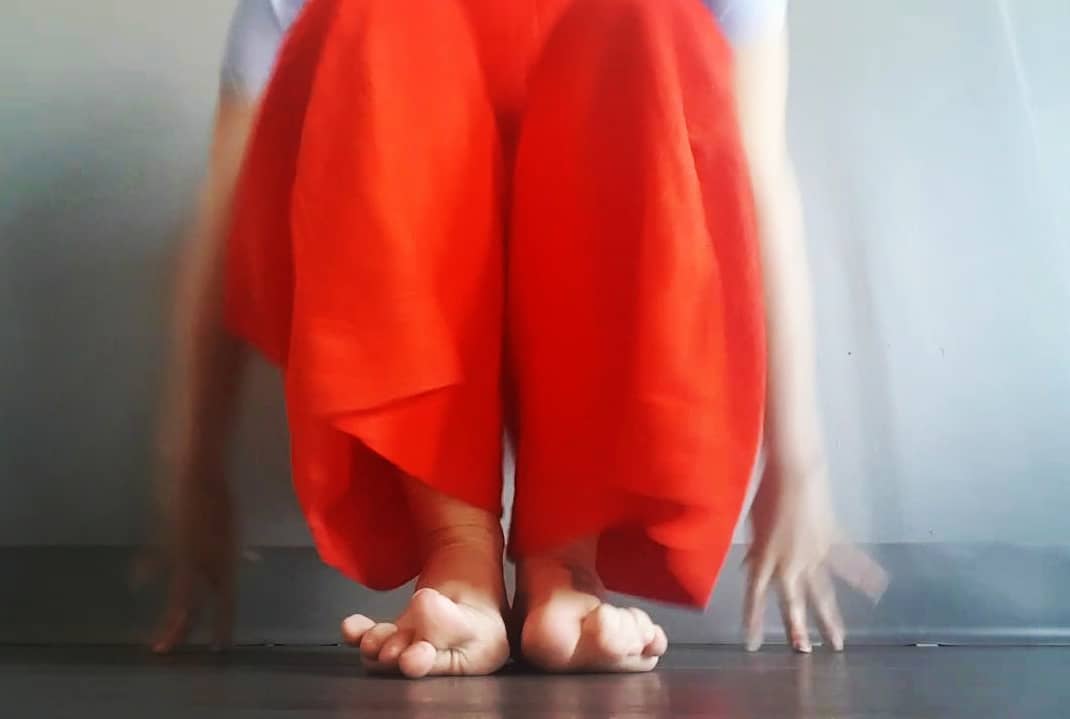
Vigilance
The body knows.
That wasn’t a new idea.
The new idea was this:
What does it cost to repeatedly override what we already know?
Soundtrack
Silence.
January 2026
The framework began leaving the notebook.
The Art Gallery Visits
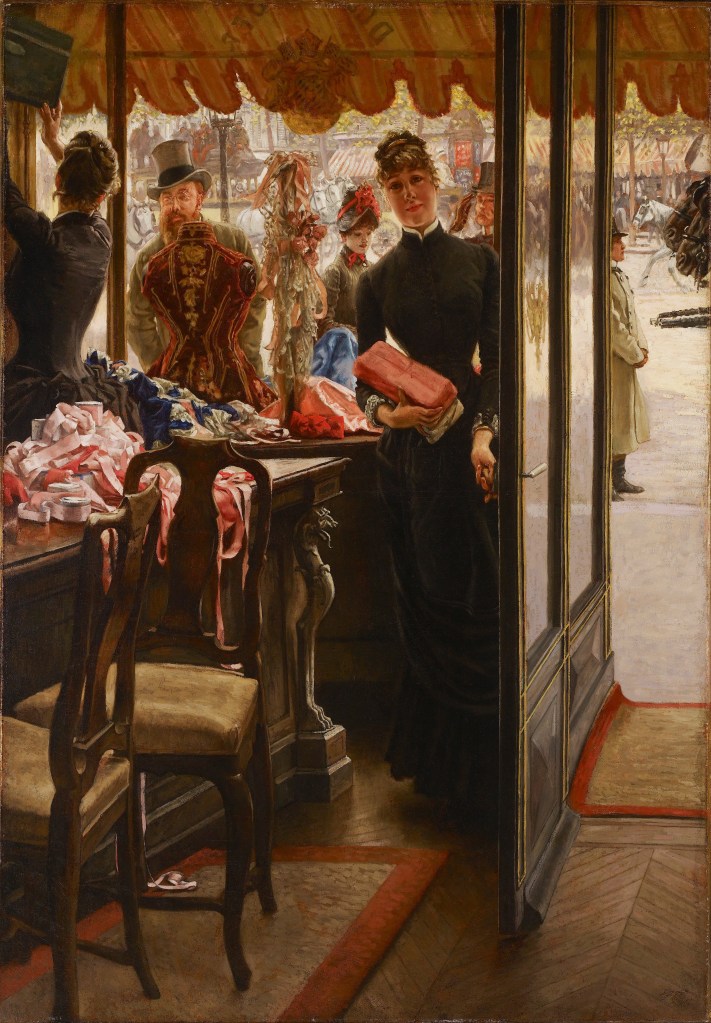
I wasn’t going for inspiration anymore.
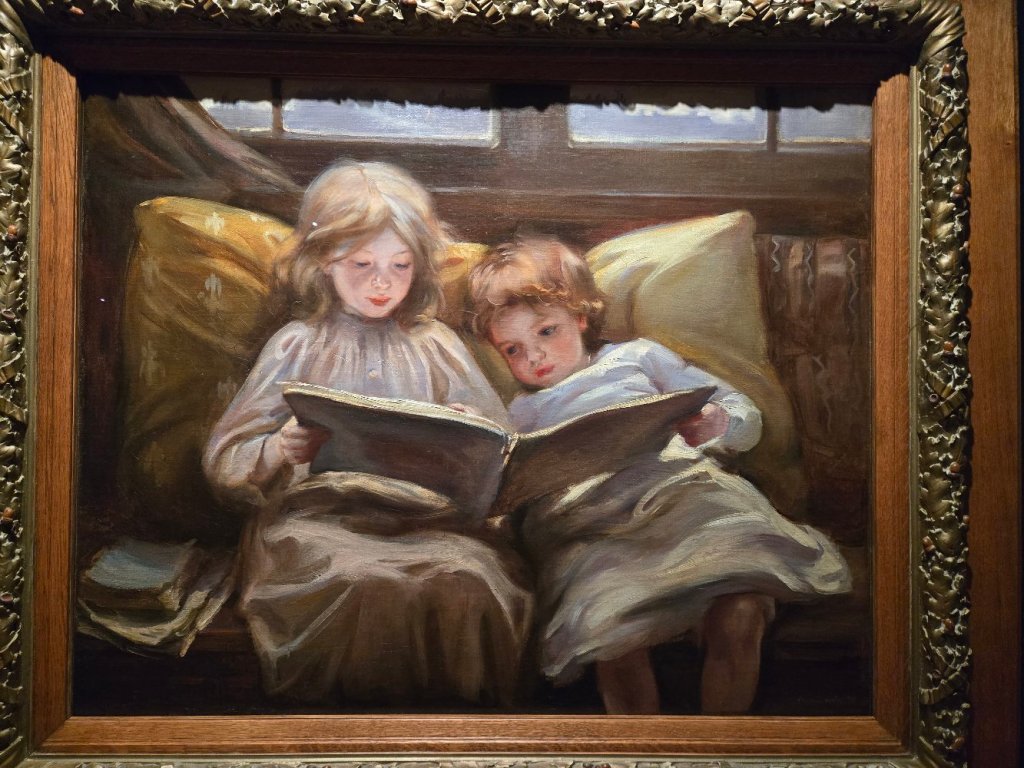
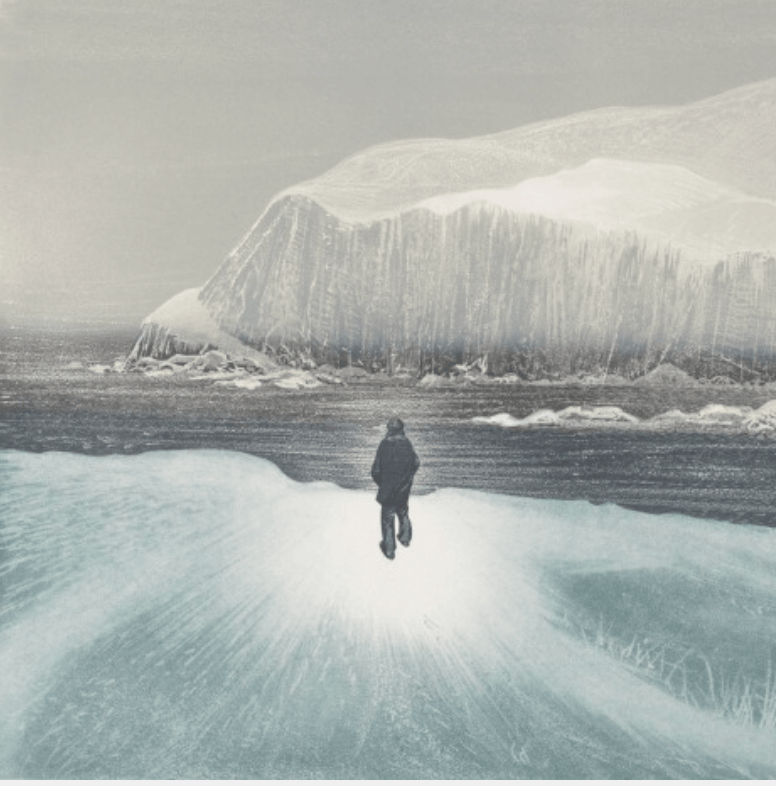
I was going to learn how artists solved problems.
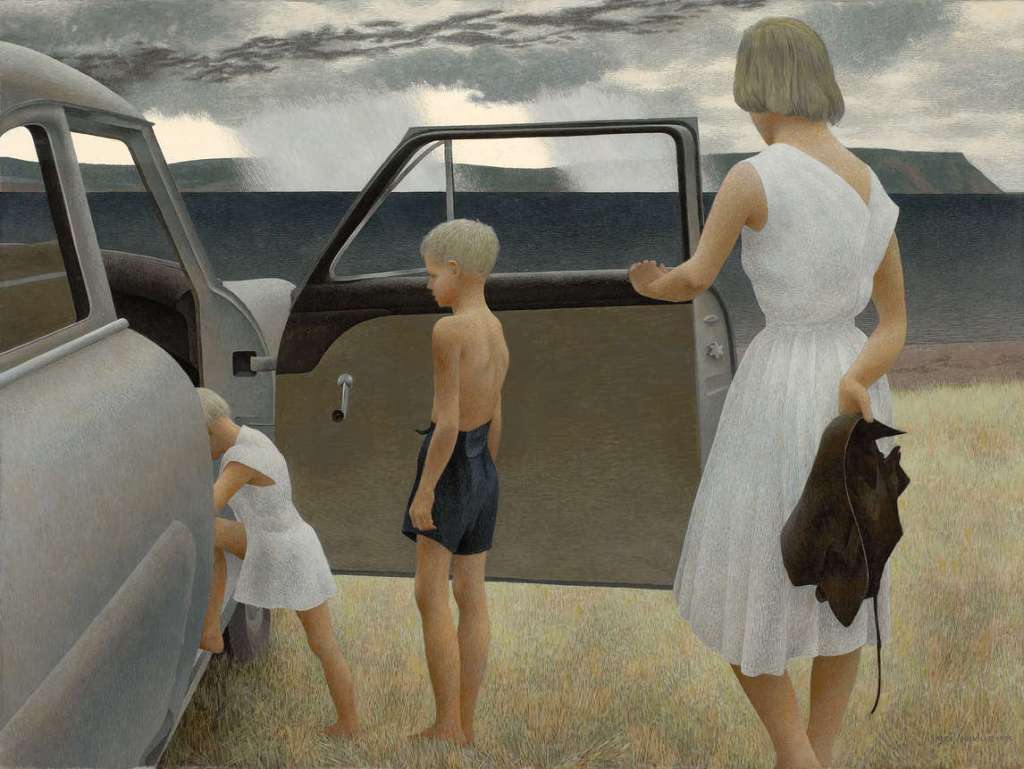
What problem is this artist solving?
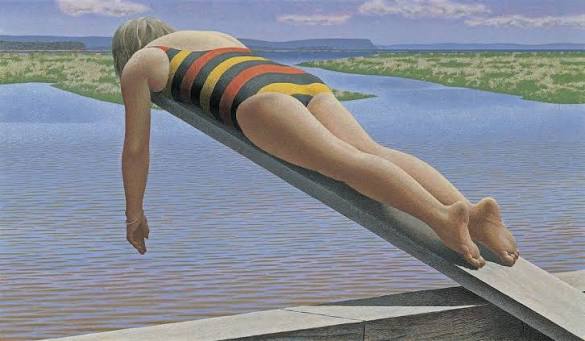
What decision makes this work… work?
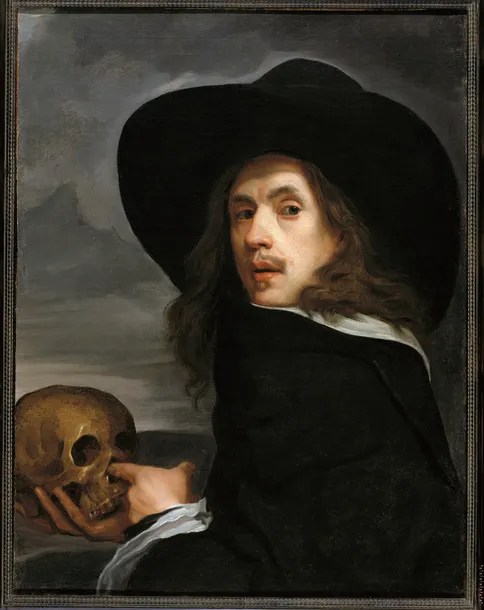
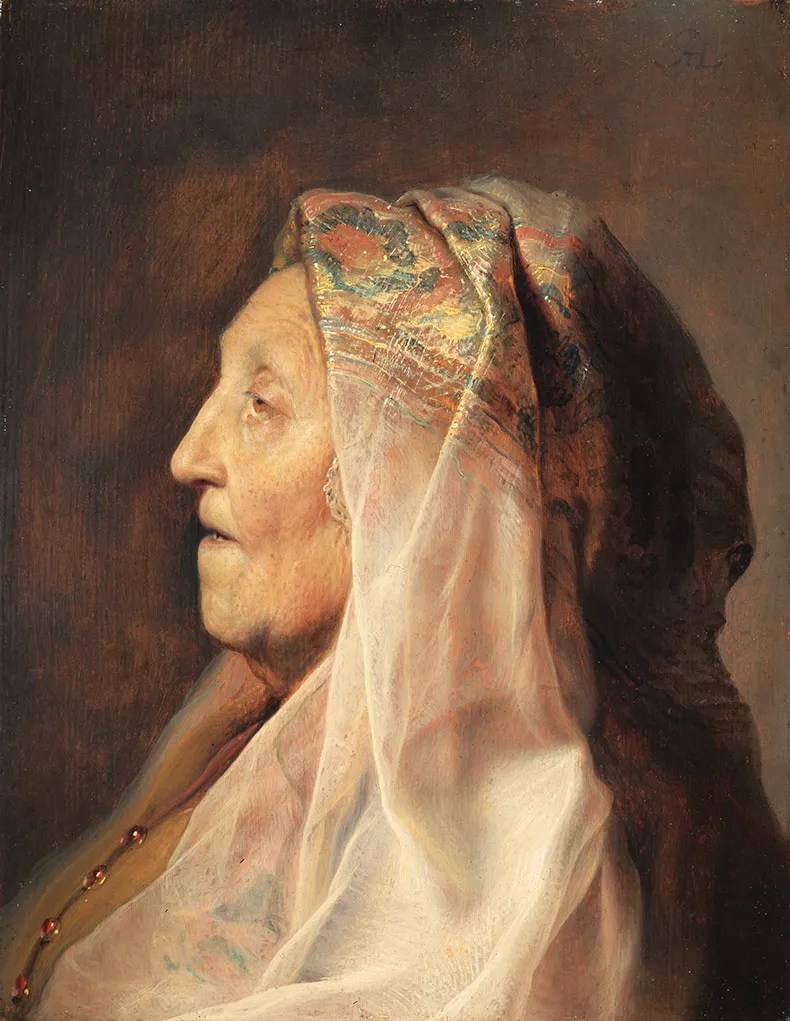
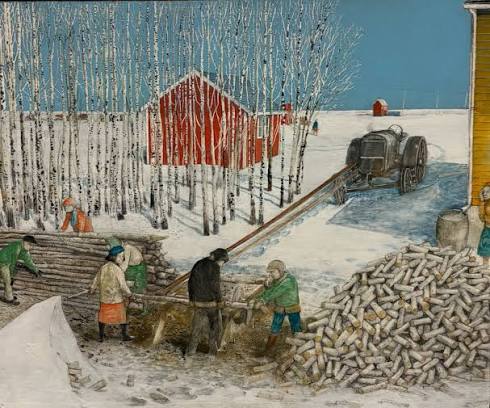
What can I steal without copying?
Stealing Answers
I stopped asking:
How did they paint this?
I started asking:
What decision makes this work?
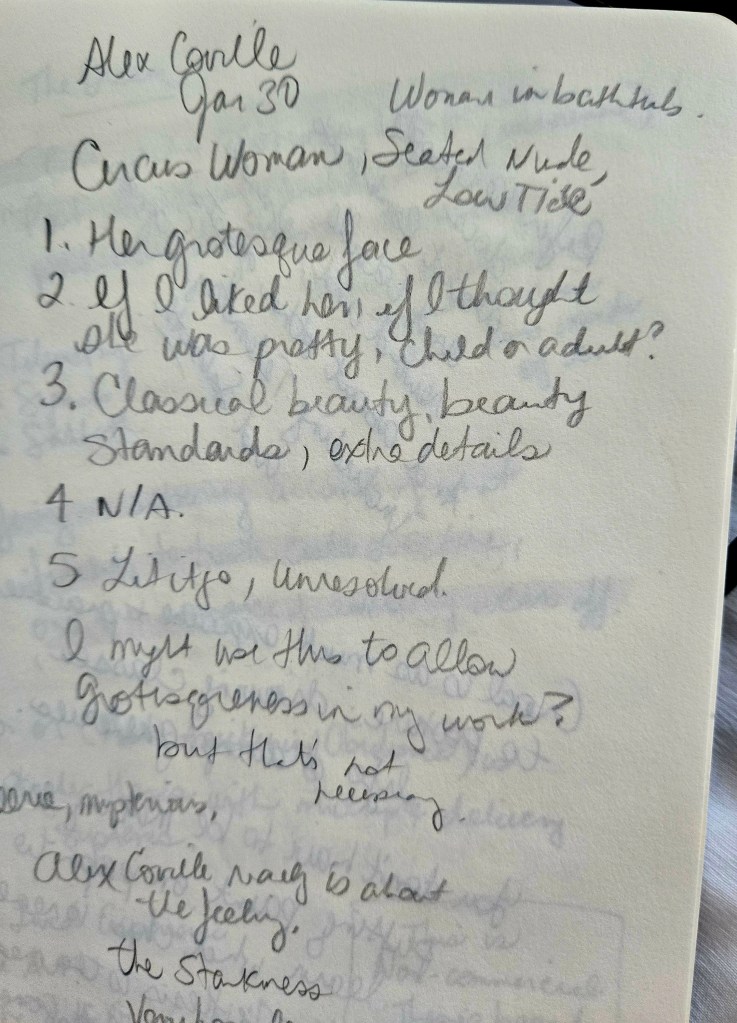
Alex Colville
I will trust ordinary scenes to carry meaning.
Rembrandt
I will only resolve what the viewer needs to see.
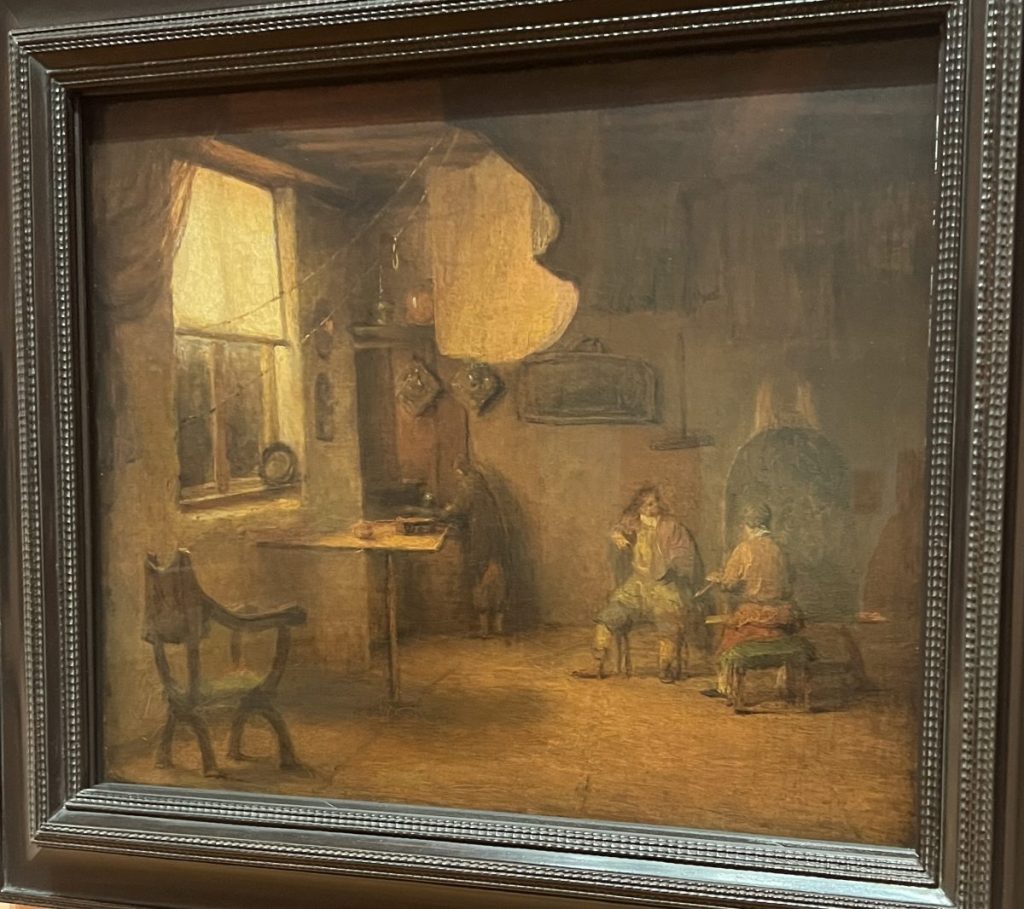
Alex Colville’s work didn’t reward me for staying and looking. I didn’t get more from staying. There was no pay-off. In fact, the longer I stayed the more uncomfortable and unresolved I felt. Rembrandt on the other hand, rewarded me for sustained looking. The more I looked, the more I saw. The more the painting’s story revealed itself. The more comfort I experienced.
This was something I wanted to emulate in my own work.
I want to reward the audience if they choose to stay with my paintings.
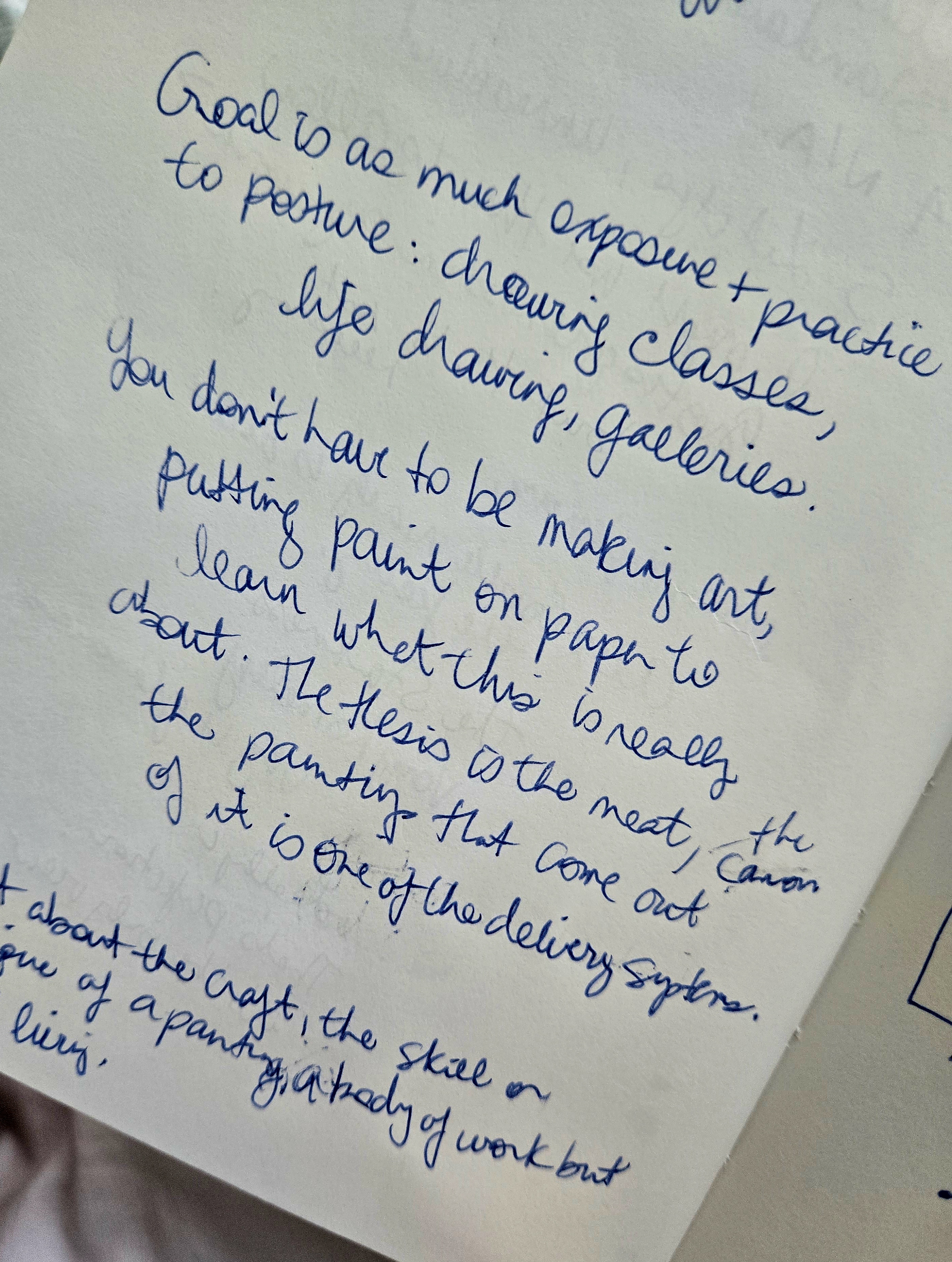
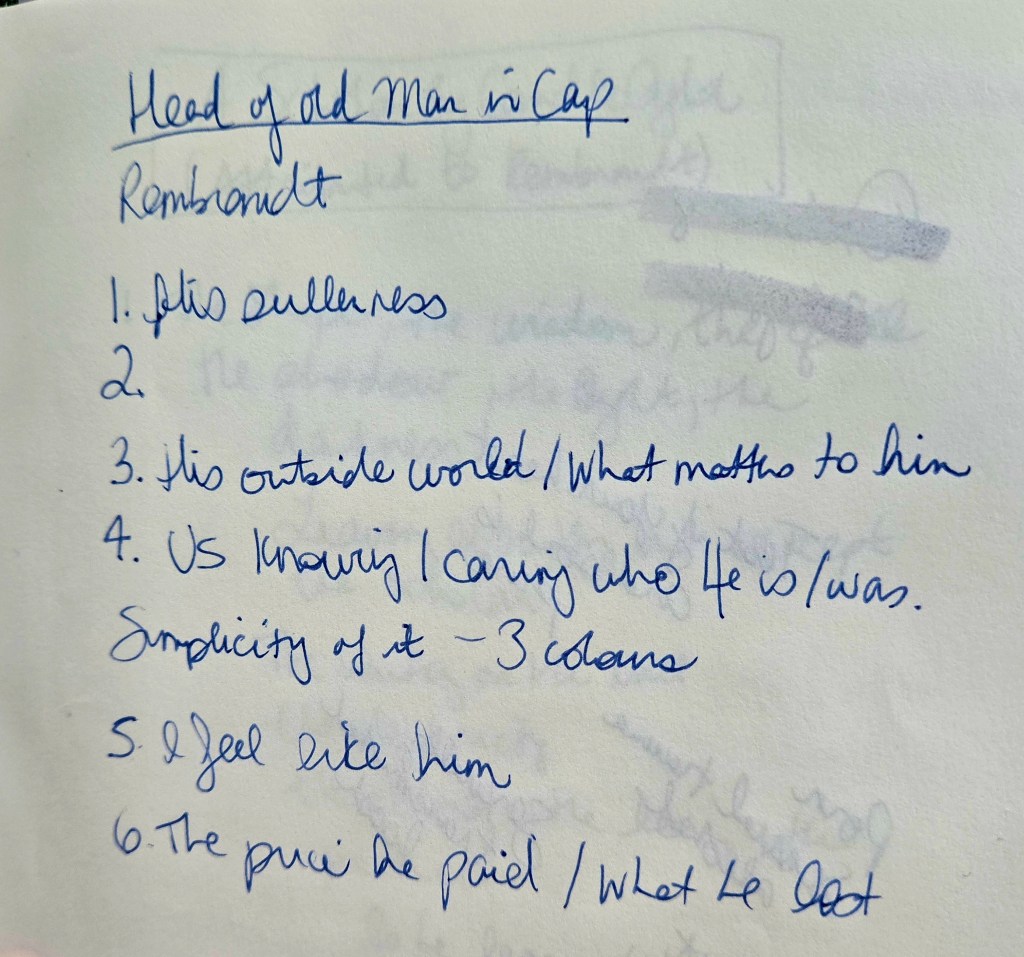
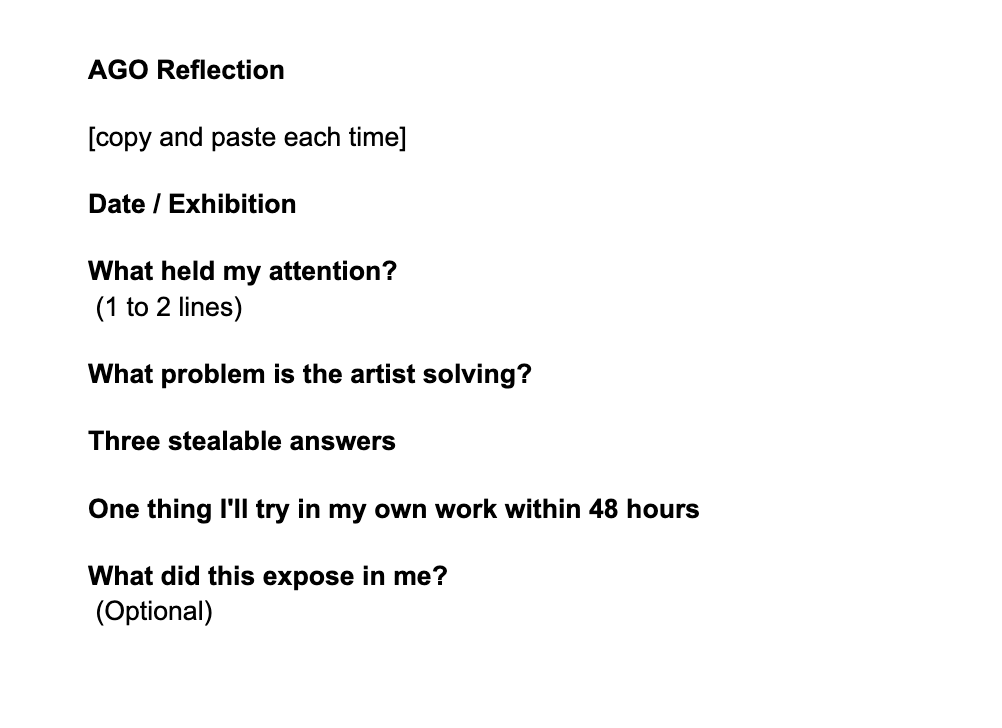
when encountering works that feel unresolved, quiet, resistant, or indifferent to approval, or when an art piece holds my attention longer than expected.
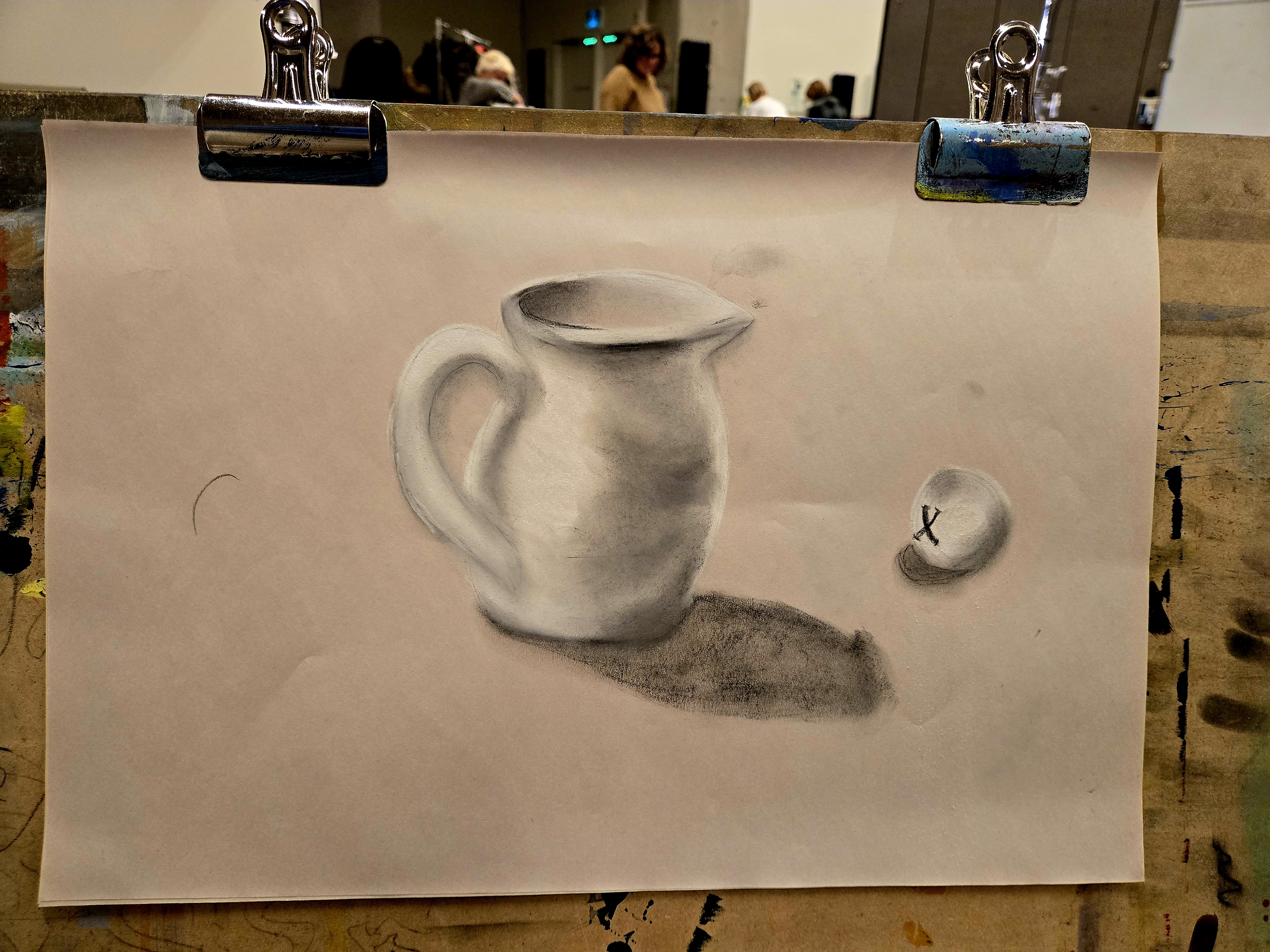
Drawing Class
I realized I wasn’t really asking:
How do I draw this?
I was asking:
Why is this worth drawing at all?
The class couldn’t answer that question.
I couldn’t either.
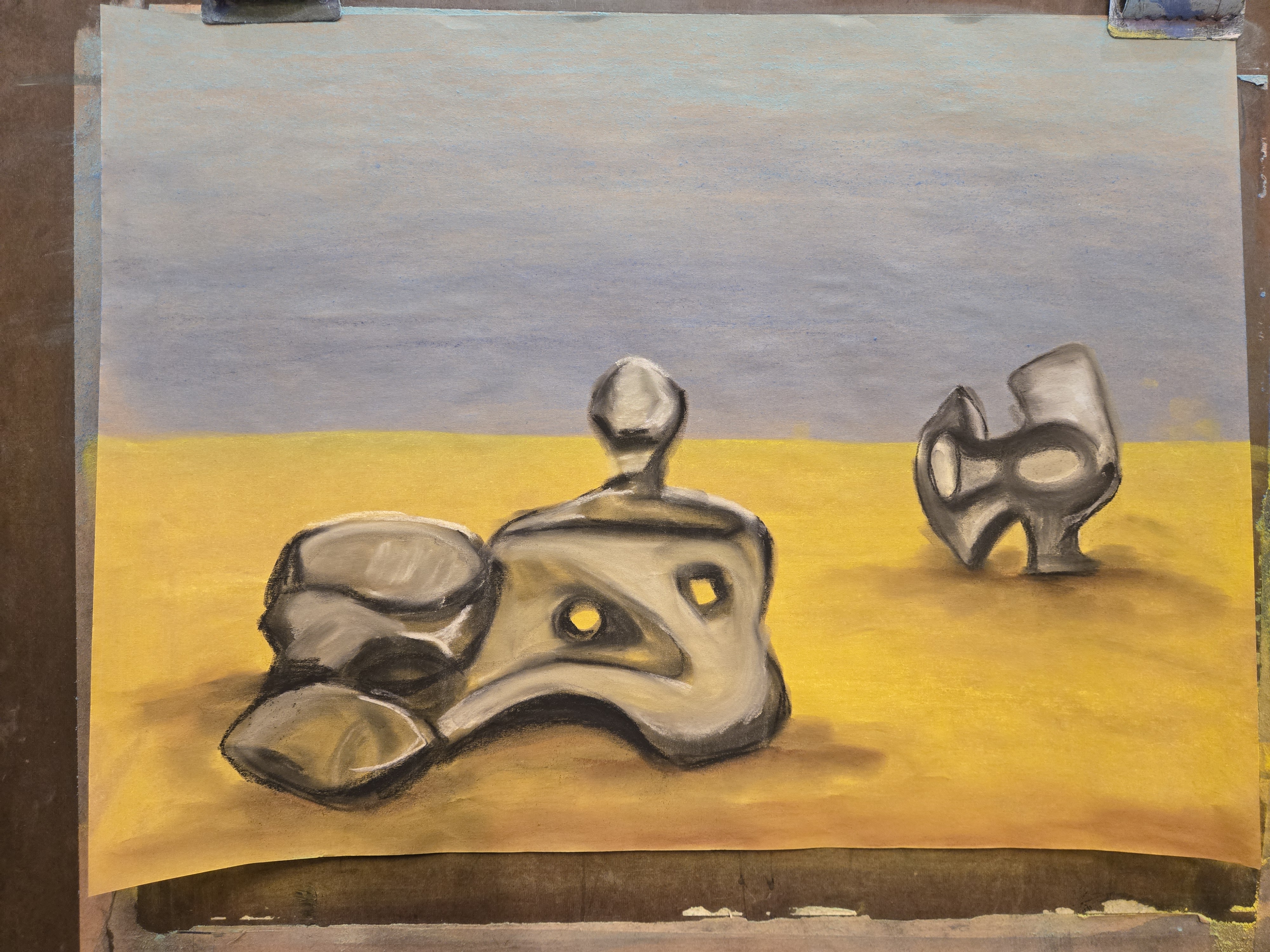
Reading: Experience Jesus. Really by by John Eldredge
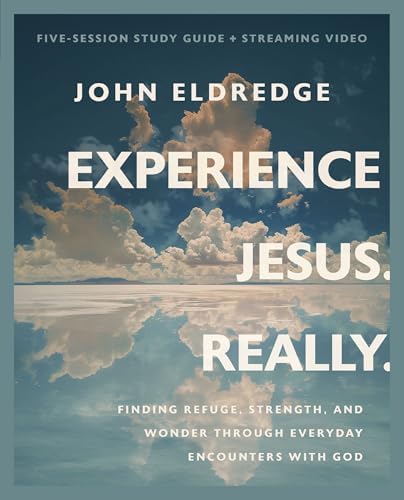
God as my refuge.
He became Someone I could walk home with.
Faith became less spectacular.
More conversational.
One Life
Eldredge refers to the amphibian – someone who can can move easily between two worlds.
The goal was never to escape ordinary life. It was to learn to inhabit it differently.
Soundtrack
Added this month:
- Lund Quartet
- Ludovico Einaudi
- D.K.
- Pacific Coliseum
- Brian Eno
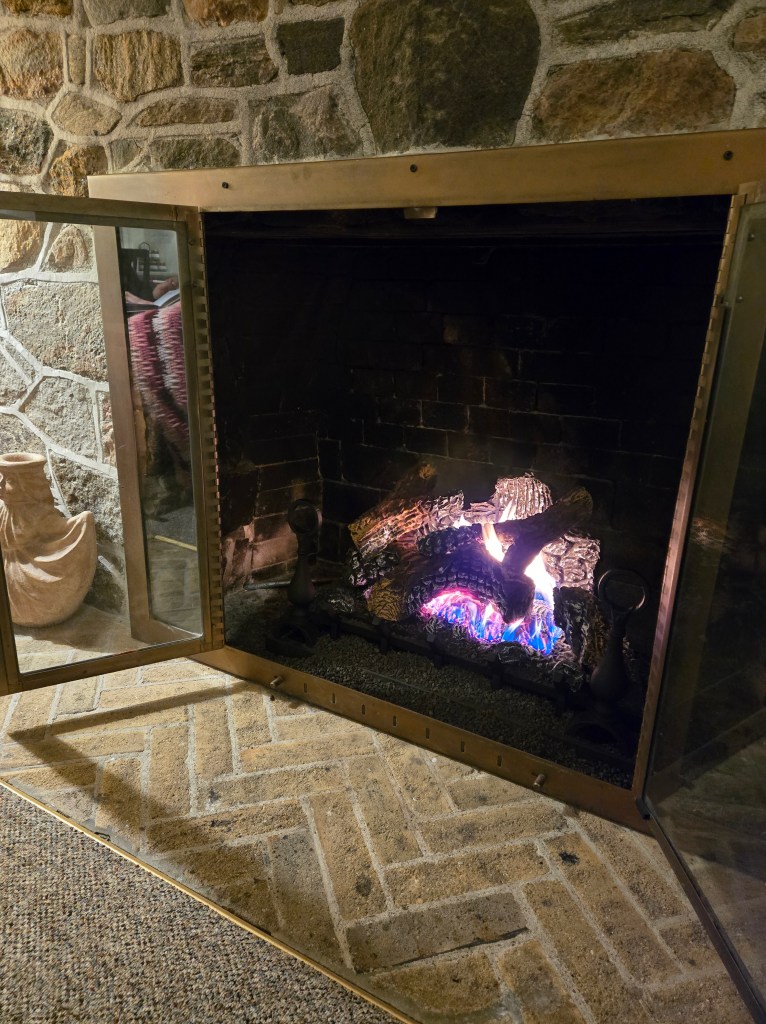
Sleep
The work wasn’t asking me to stay up later.
It was asking me to wake up clearer.
February 2026
Less explanation. More trust.
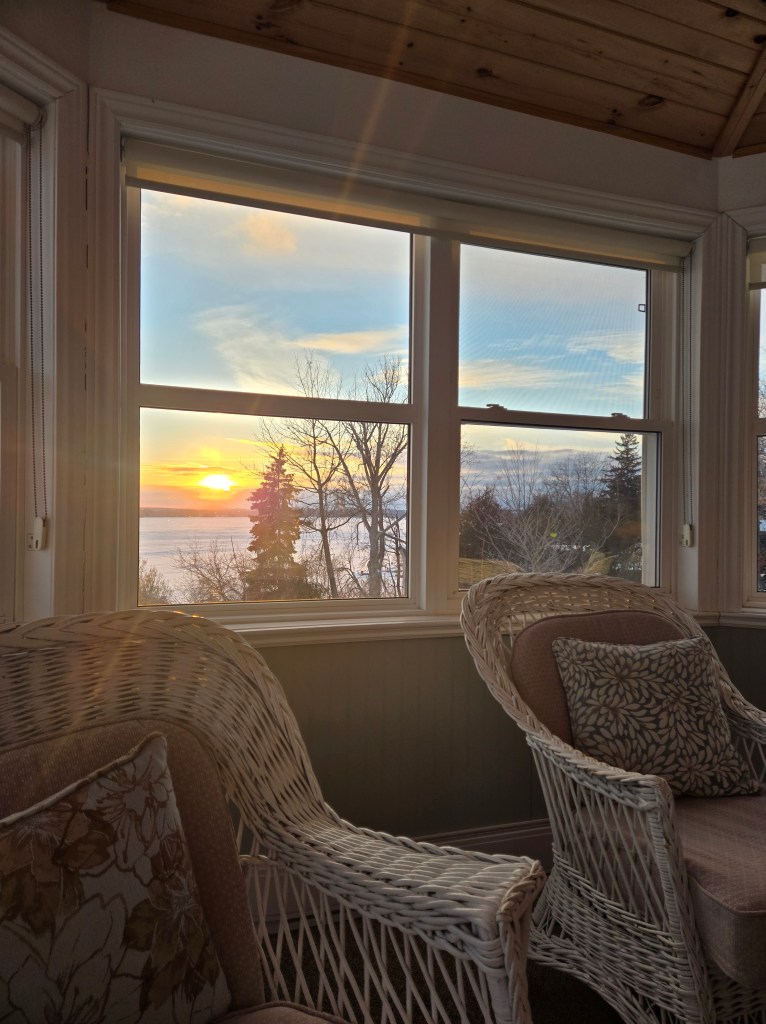
Sacred Pause Silent Retreat
Four days. No agenda. Nothing to achieve. I arrived expecting rest.
It was my first silent retreat.
The time spent was the quiet beginning of a different way of paying attention.
I left realizing that silence is not empty.
It is full of things that are usually drowned out.
The residency would eventually grow out of many practices.
This was the first.
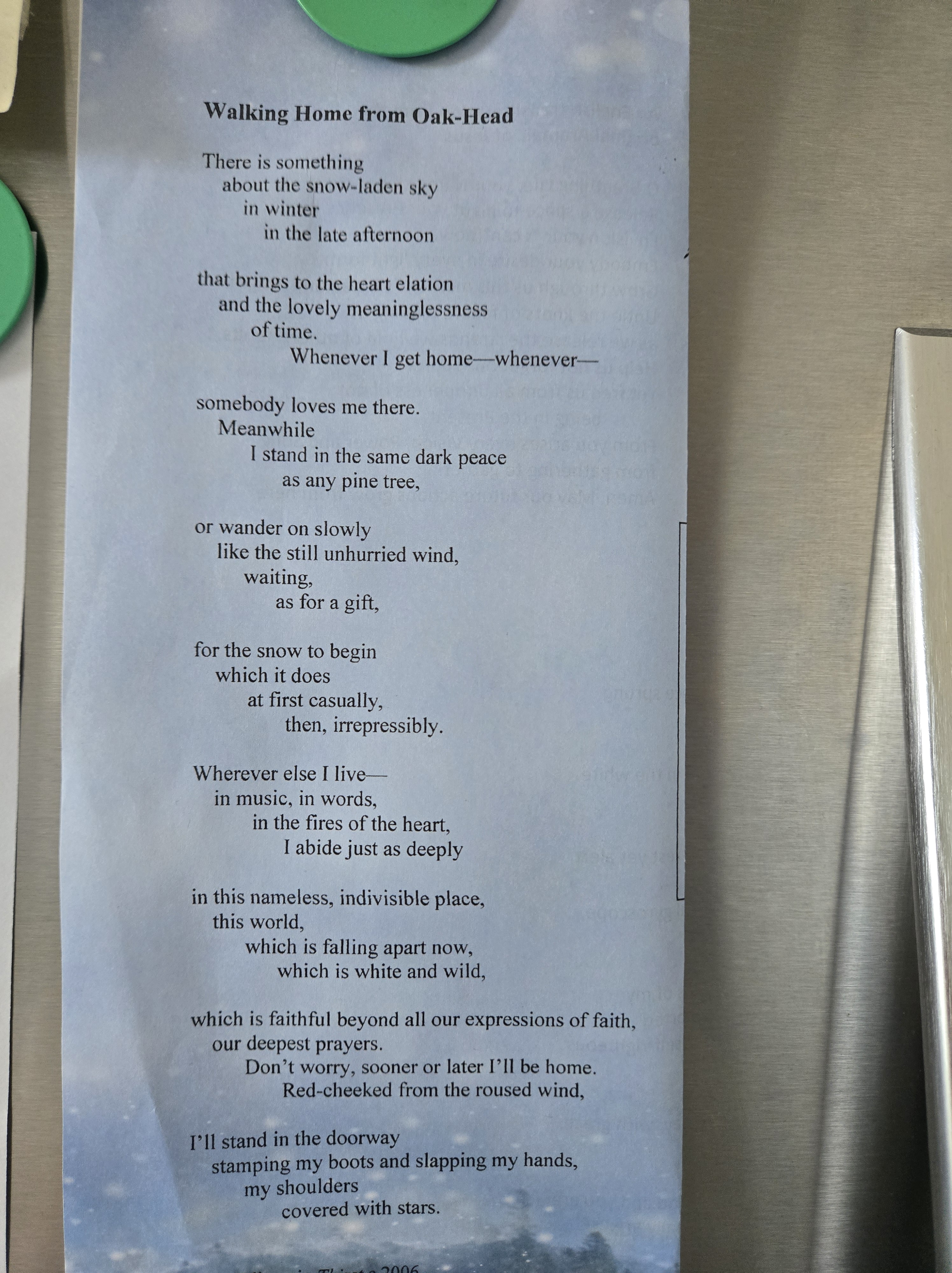
Reading: Mary Oliver
At first, the poem stirred a longing for a home that no longer existed.
Later, when it was on my fridge, I realized it wasn’t asking me to go back.
It was asking me to live differently.
Secret Places had to survive the ordinary.
- Outlook.
- Teams.
- Budgets.
- Conflict.
- Parenting.
- Commuting.
- Relationships.
Otherwise it’s just a retreat practice.
Most days I practiced this imperfectly.
I came upon a term:
Post-Awakening Obedience
I started imagining if someone asked me what I was working on, what this project was about, I wouldn’t say; “It’s an art project“.
I’d say: Post-awakening obedience.
Because the question I’m answering is no longer,
“What is true?”
It became,
“So, what do I do about it?”
Naming the Residency
My first chosen title was Secret Places with God, inspired by Matthew 6:6.
Eventually it became simply Secret Places. The thesis remained the same, but the title became more accessible.
The Cost Was Worth It
The changes were mostly invisible.
Sleeping more.
Reaching less.
More silence.
More prayer.
Then one day I noticed something I hadn’t expected.
My baseline had changed.
For most of my life, peace felt temporary.
Now bracing felt temporary.
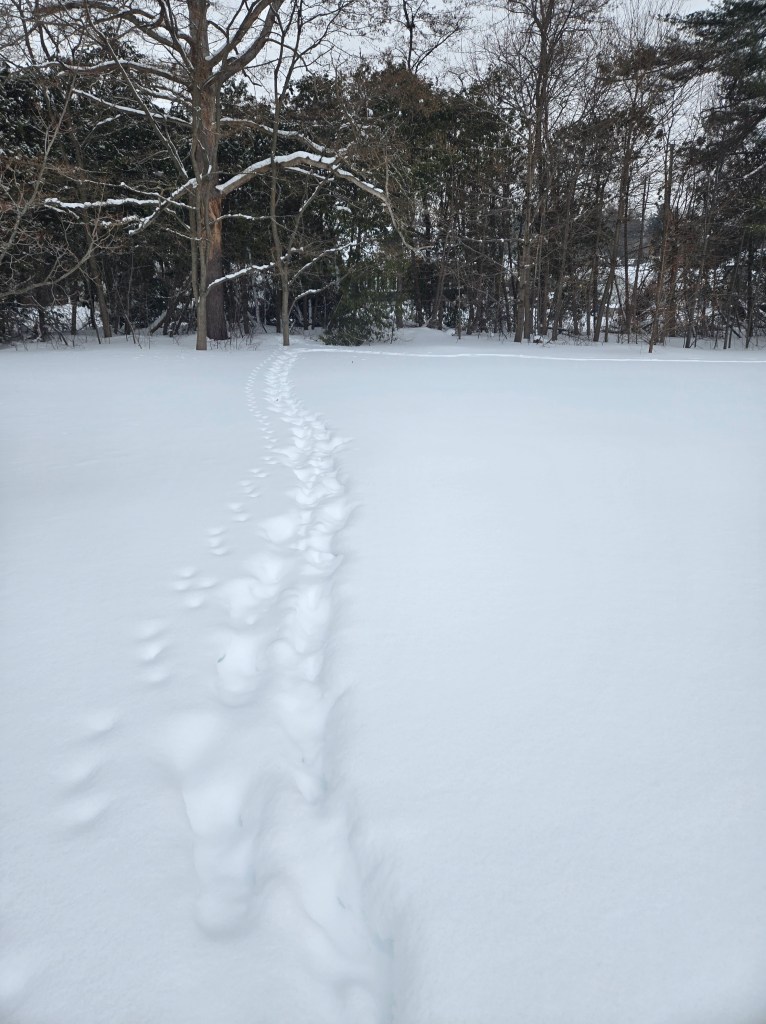
I began to wonder if the greatest injuries weren’t caused by other people, but by repeatedly overriding what we already knew to be true.
Soundtrack
Added this month:
- Louis Philippson
- Logan Nelson
- The Field Tapes
- Bullion
- Pêtr Aleksänder
March 2026
Nothing needed to be made yet.
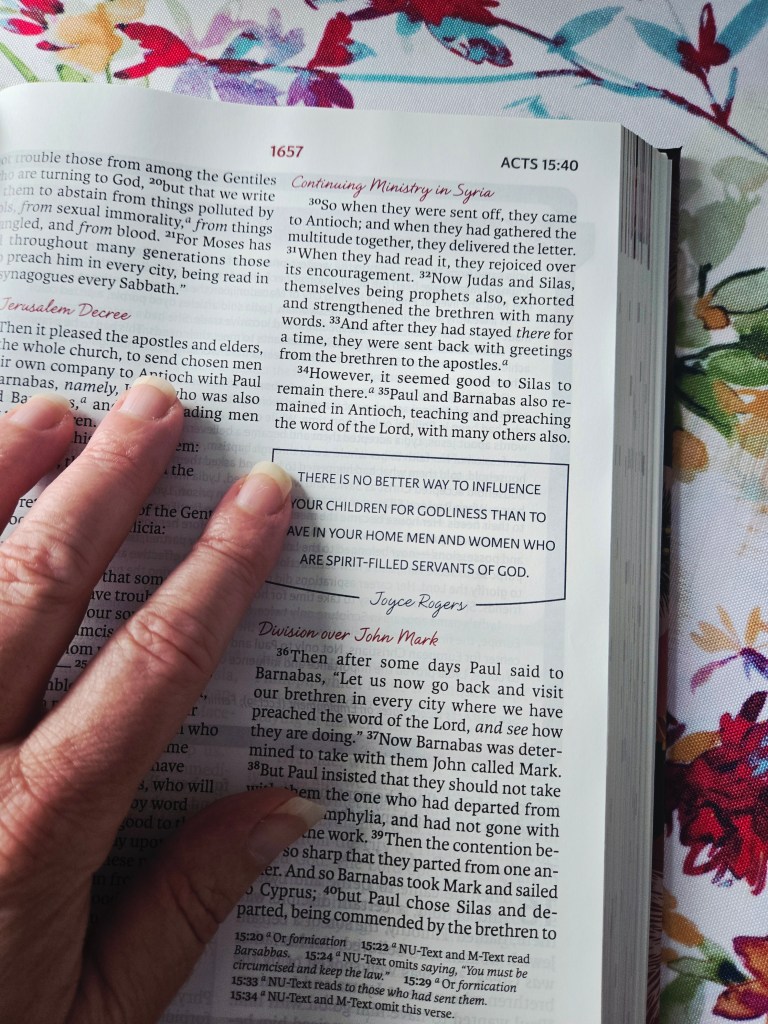
Around the Table
One evening every other week, we shared a meal, opened Scripture, and studied together.
Newlyweds and retirees.
Families and single people.
Many of us had been strangers only months before.
It became one of the quiet rhythms that carried the residency.
Quarterly Review
Someone finally named what I couldn’t.
The work didn’t need more technique.
It needed more life.
February said:
I think this is true.
March is saying:
Then live as though it’s true.
Going Slow
Not every season asks for expression.
I stayed in the furnace.
The Wrong Problem
Drawing and painting classes were solving the wrong problem.
There wasn’t a skill gap.
There was an experiential gap.
I canceled my upcoming art classes.
Goodness
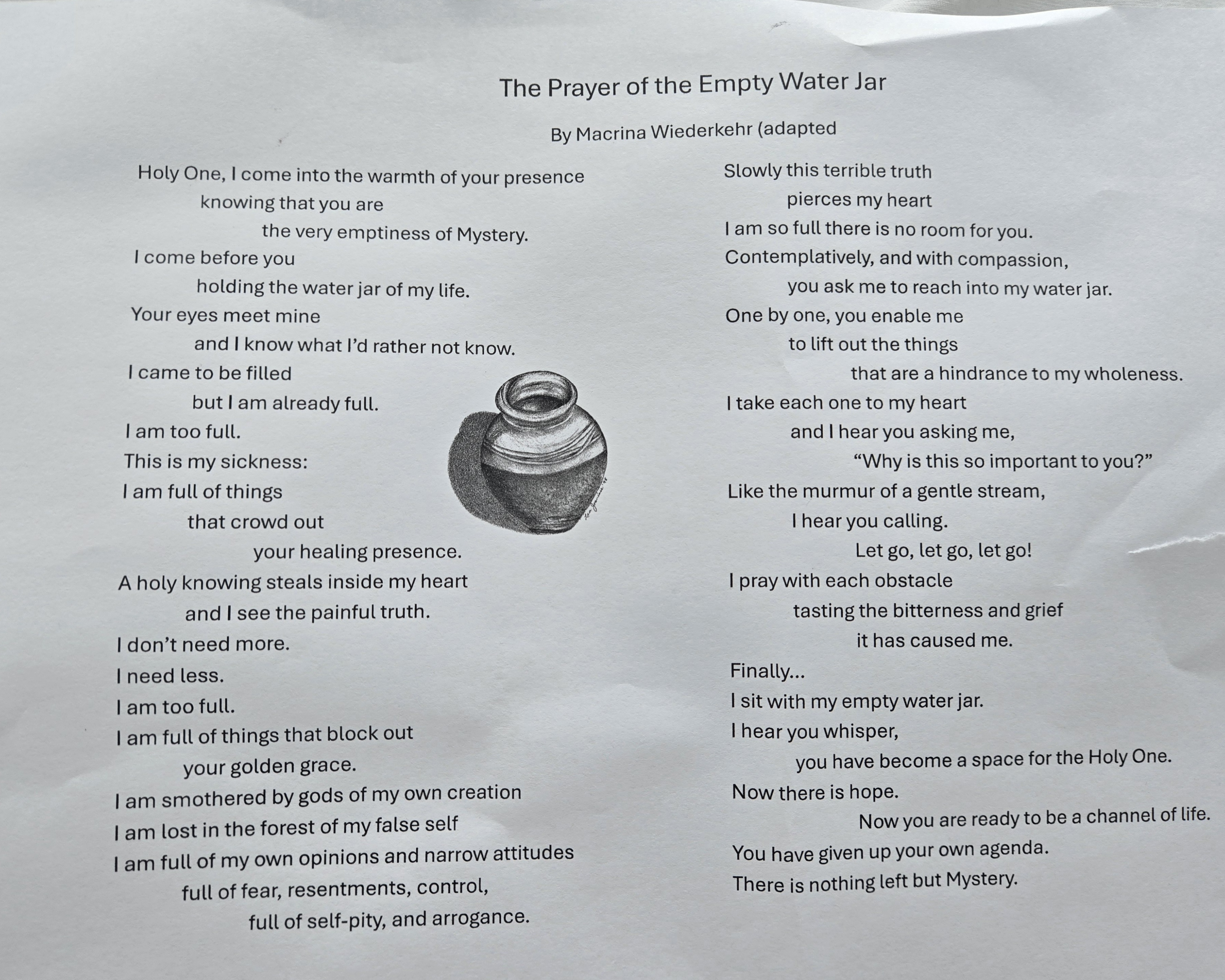
At the writing retreat, one image stayed with me.
The jug.
It shifted the question from what is wrong? to what is genuinely good?
The Witness
The voice I wanted to use in my work became clear.
Not the teacher.
Not the storyteller.
The witness.
Soundtrack
Around this time, music with lyrics returned.
Qui bene cantat bis orat.
Those who sing pray twice.
Added this month:
- Laura Daigle
- Aodhán King
- Brandon Lake
- Zach Williams
- Grace Runkle
April 2026
The residency found its architecture.
Four Chapters
The work had been arriving in pieces.
Now I gave it an original structure.
I named them:
~ Hijack.
~ Signals.
~ Obedience.
~ Sabbath.
The Pattern Holds
I kept noticing the same sequence.
Something feels off.
It gets overridden.
The cost comes later.
I stopped seeing isolated stories.
I started seeing the same pattern in different places. And in almost everybody I knew.
The Medium Can Wait
I stopped trying to force paintings.
A small Toronto condo, a full-time job, and parenting weren’t conditions I needed to overcome.
They were the conditions the residency was asking me to inhabit.
But maybe the un-painted paintings were waiting for a better studio.
Quiet Testing (and Writing)
I wasn’t trying to prove the framework of Hijack, Signals, Obedience, and Sabbath.
I was watching to see how often I was seeing it and where I was seeing it.
I began capturing my noticing in witness essays. Those poured out of me.
Before There Is a Body of Work
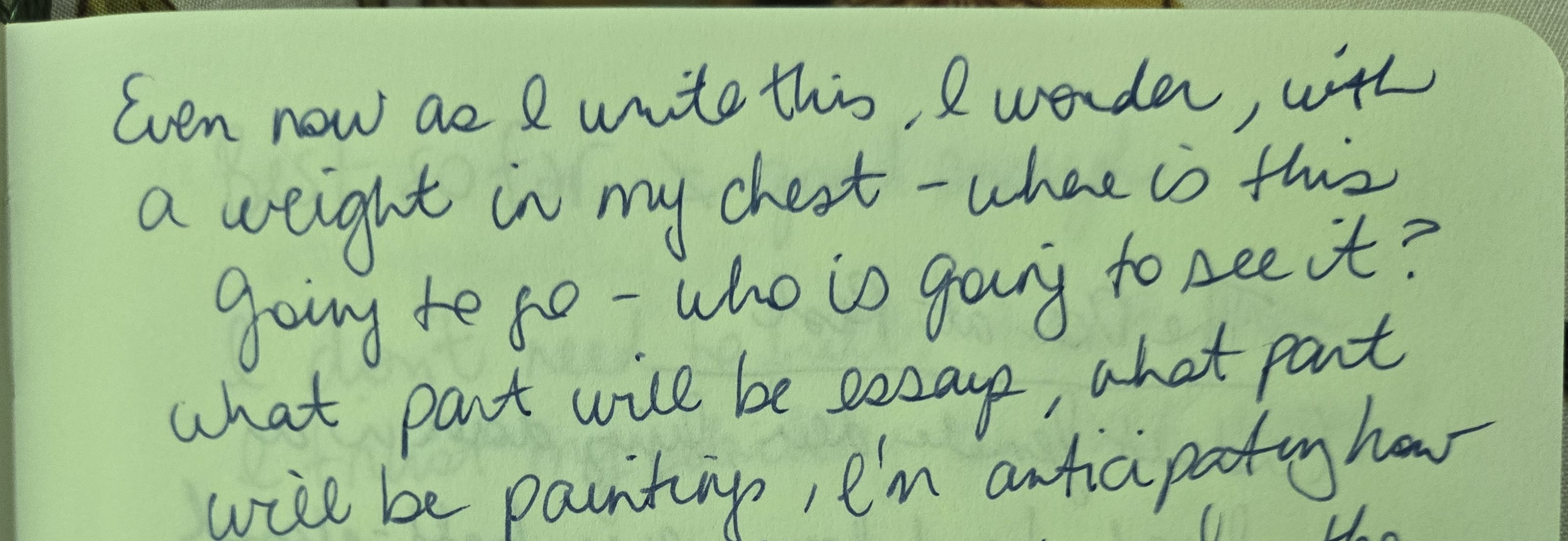
I kept wondering who would see any of this.
Then I realized it wasn’t my business.
This was just me talking to God.
Soundtrack
Added this month:
- Common Hymnal
- Elevation Worship
- Bethel Music
- Seacoast
- Tauren Wells
May 2026
The work became its own evidence.
Longitudinal Evidence
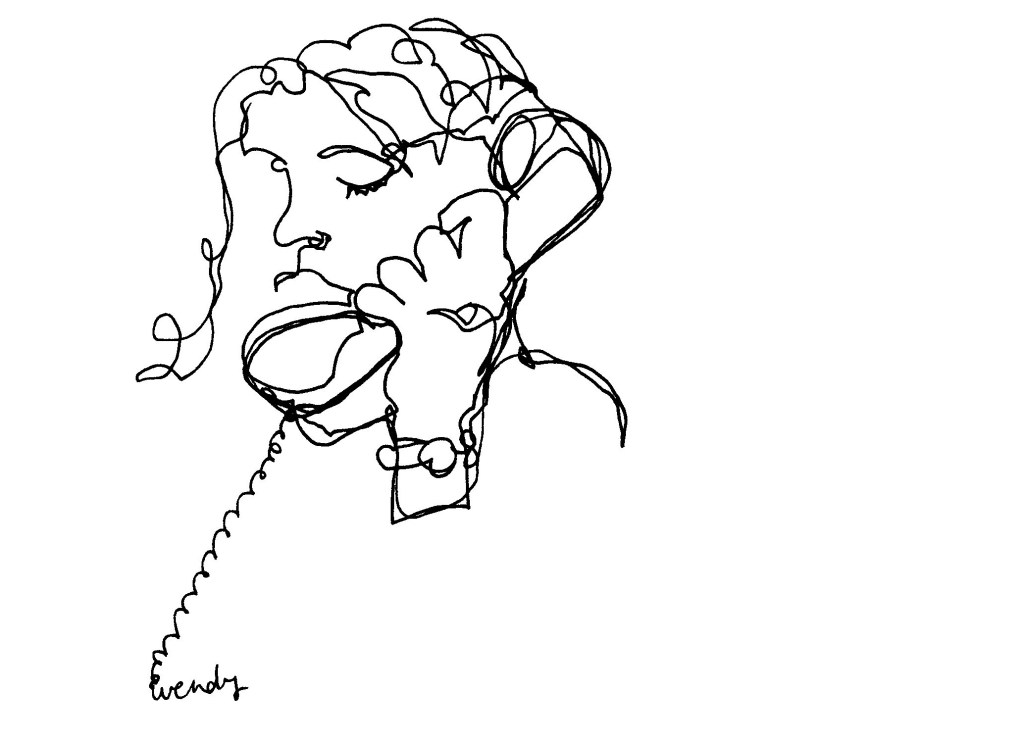
I realized the old poems, journals, and drawings had been the work all along.
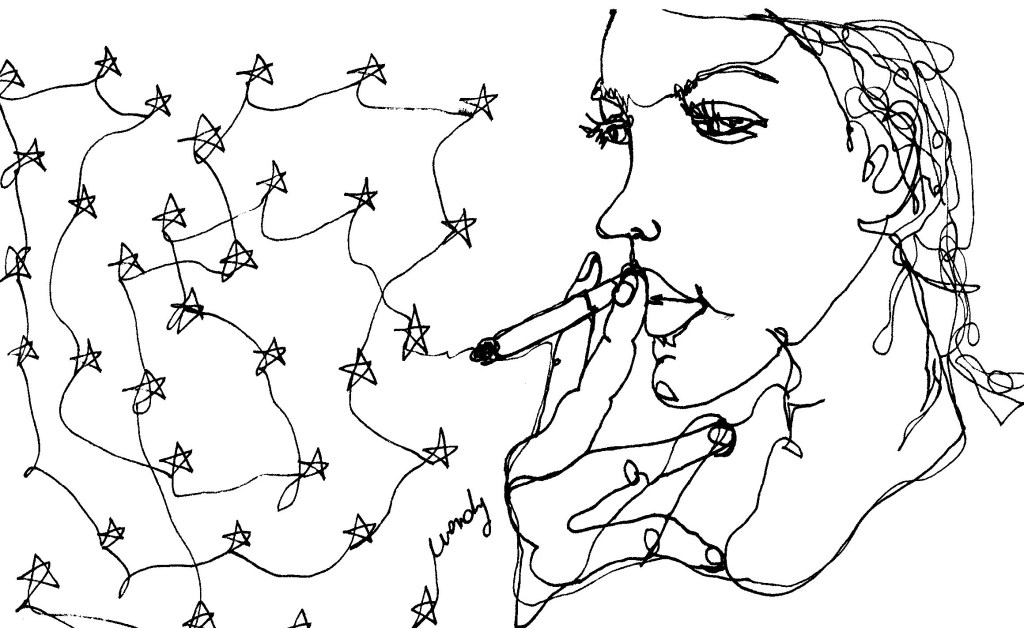
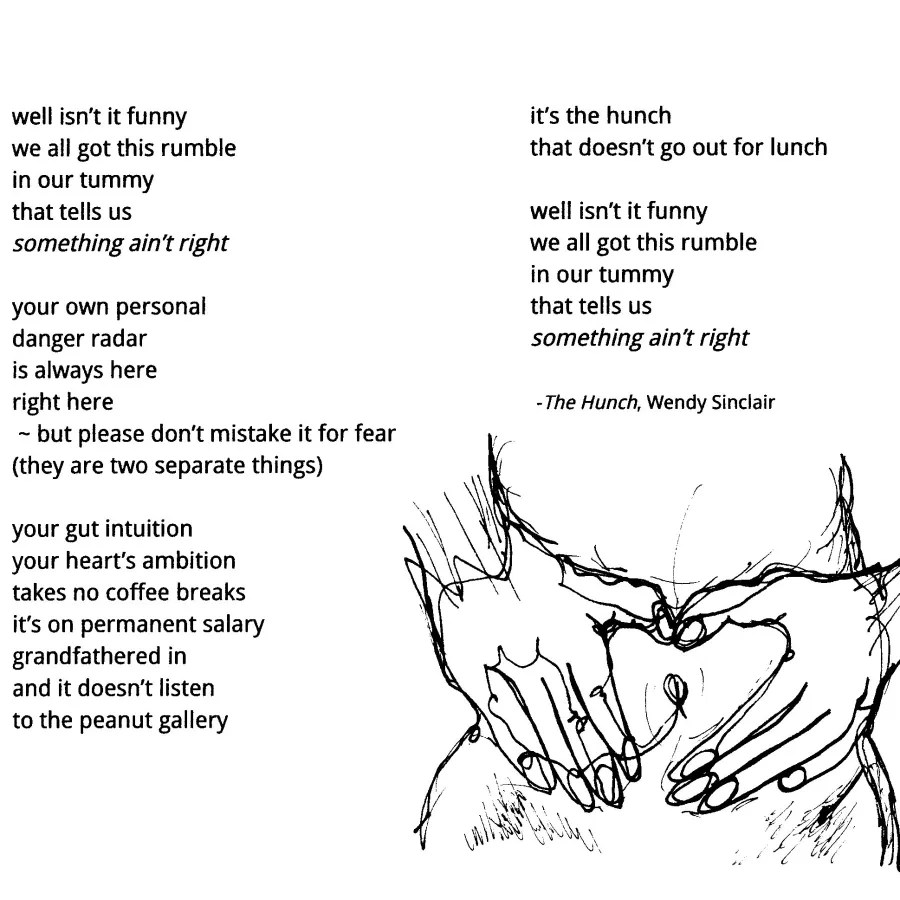
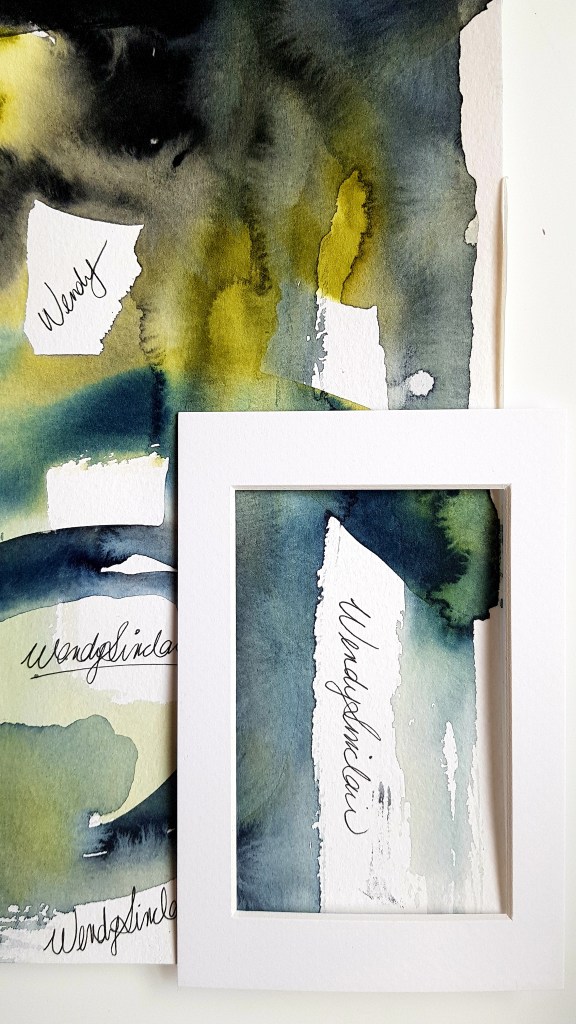
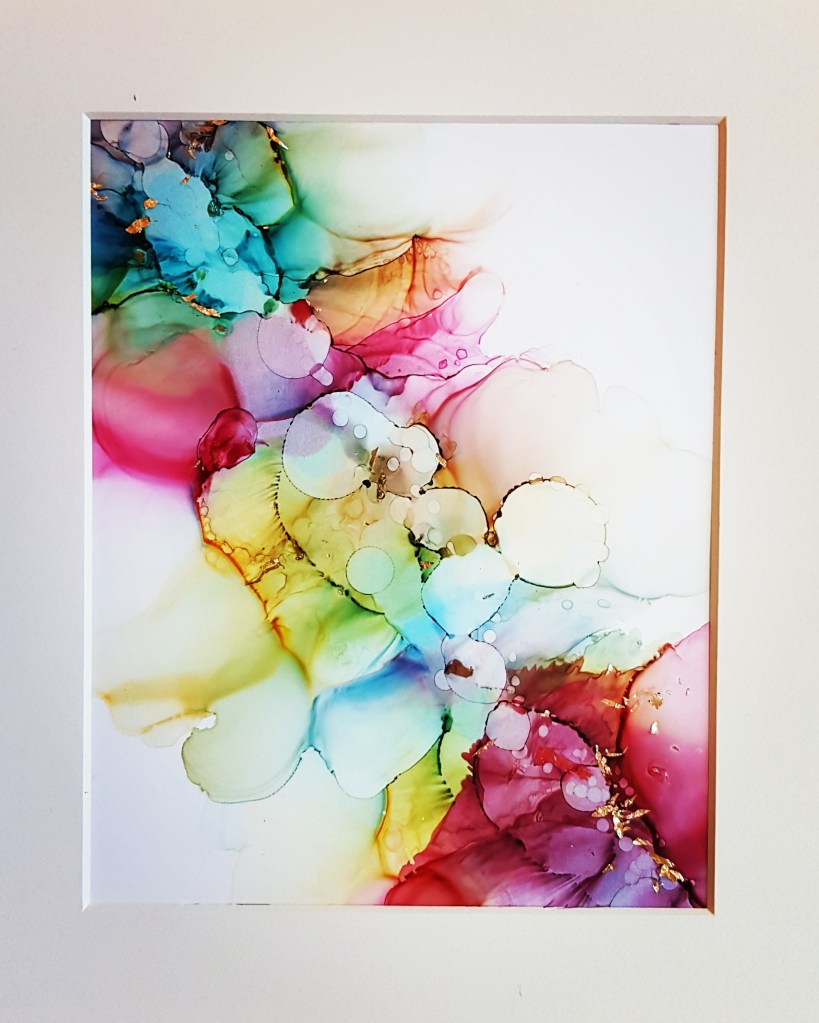
Creating the Signals Chapter
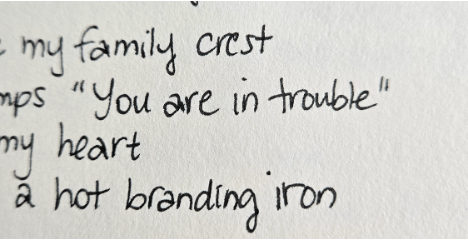
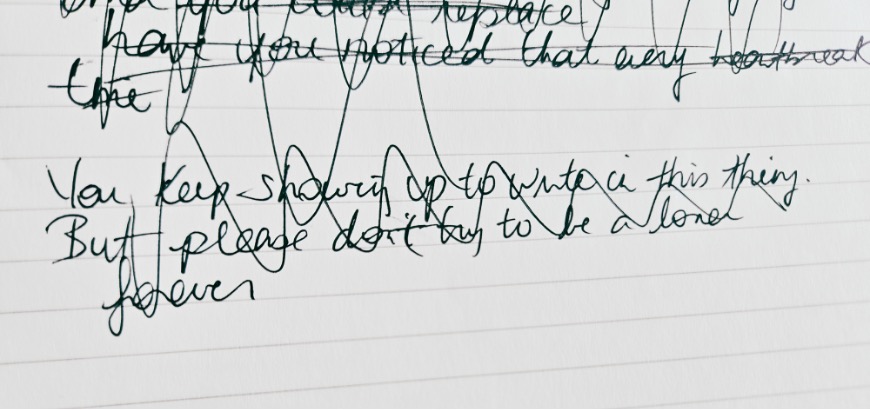
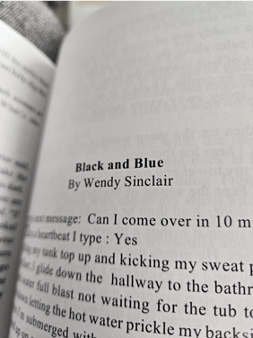
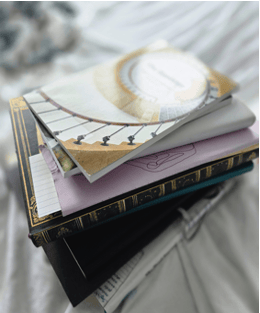
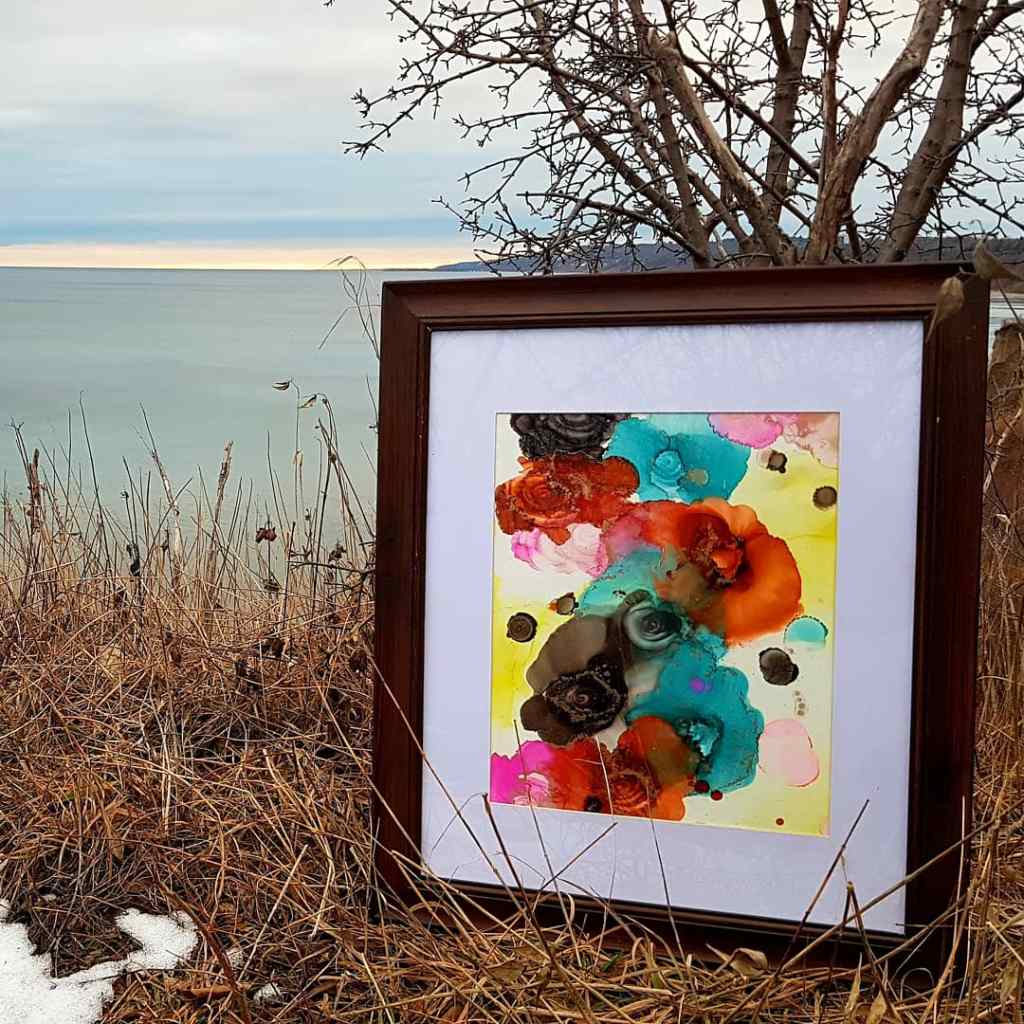
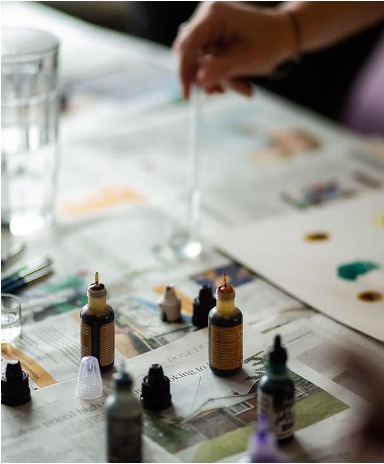
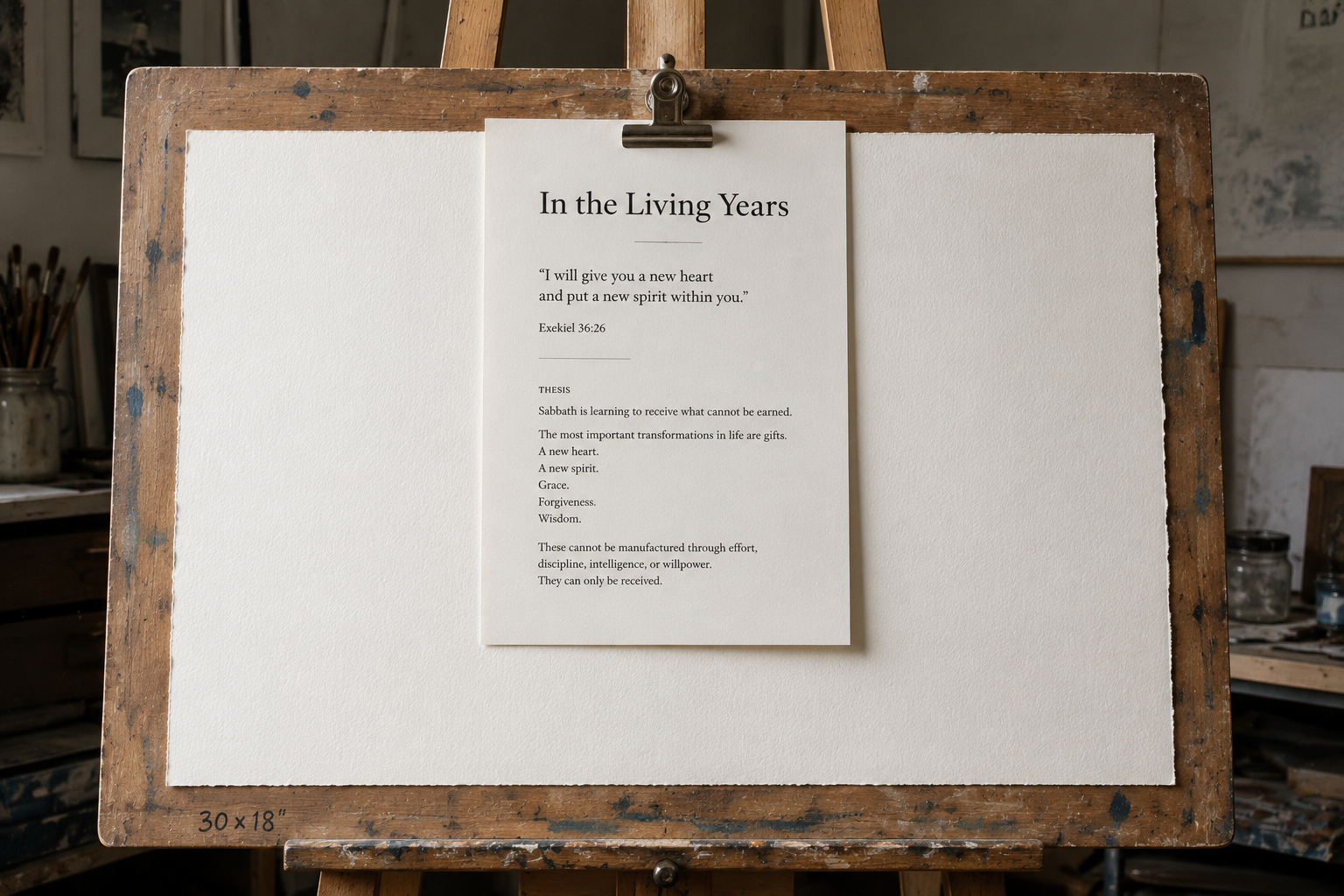
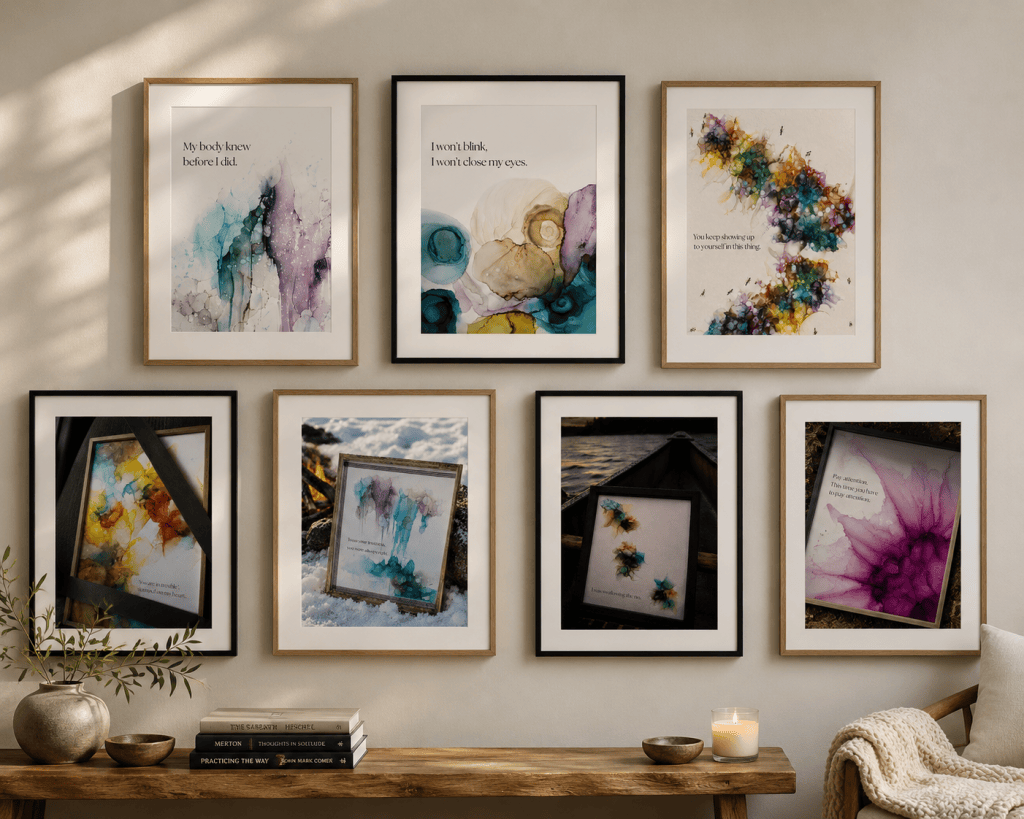
Signals emerged where writing, ink, and personal geography began to say the same thing. I used the following three source materials to create the compositions.
- WORDS
Journal fragments, field notes, poetry, published work
2. MATERIAL
Alcohol inks, atmosphere, movement, body state

3. PERSONAL GEOGRAPHY
Solitude, winter, water, terrain, distance
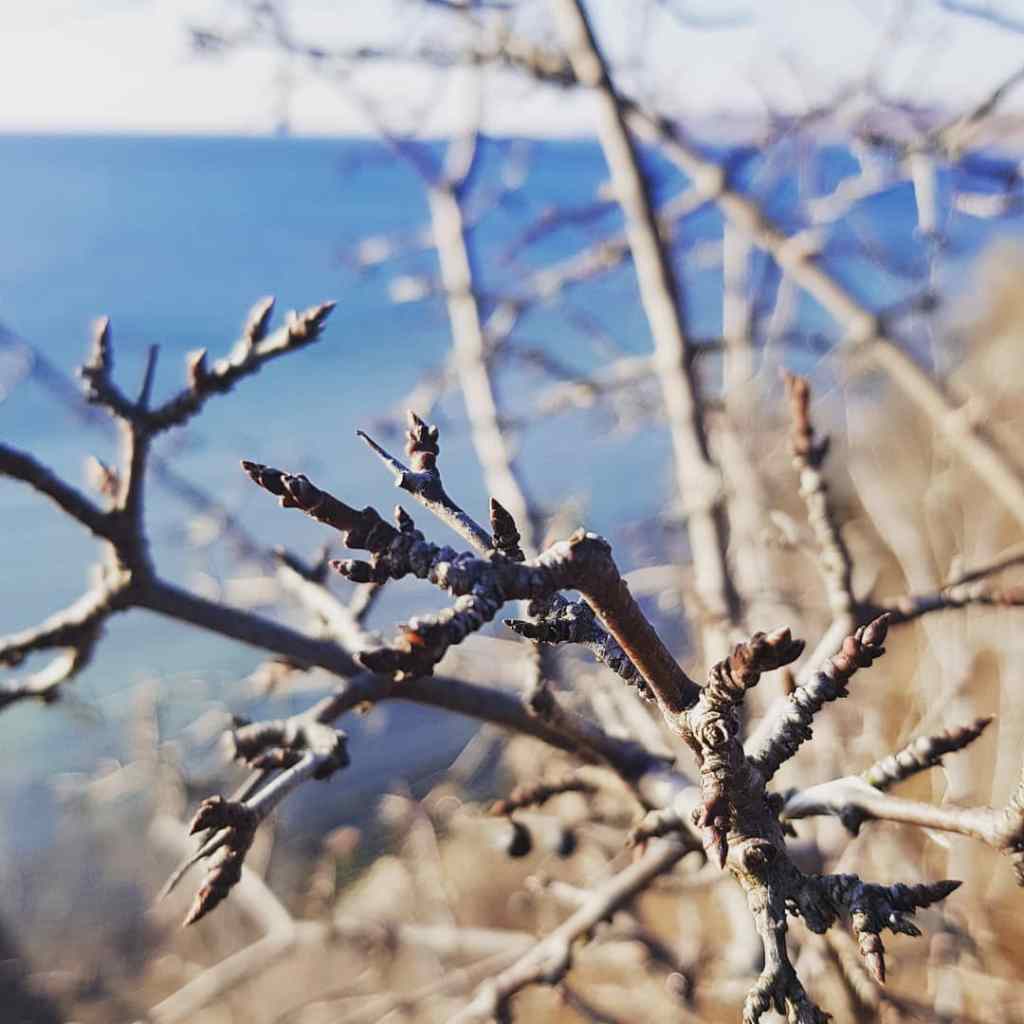
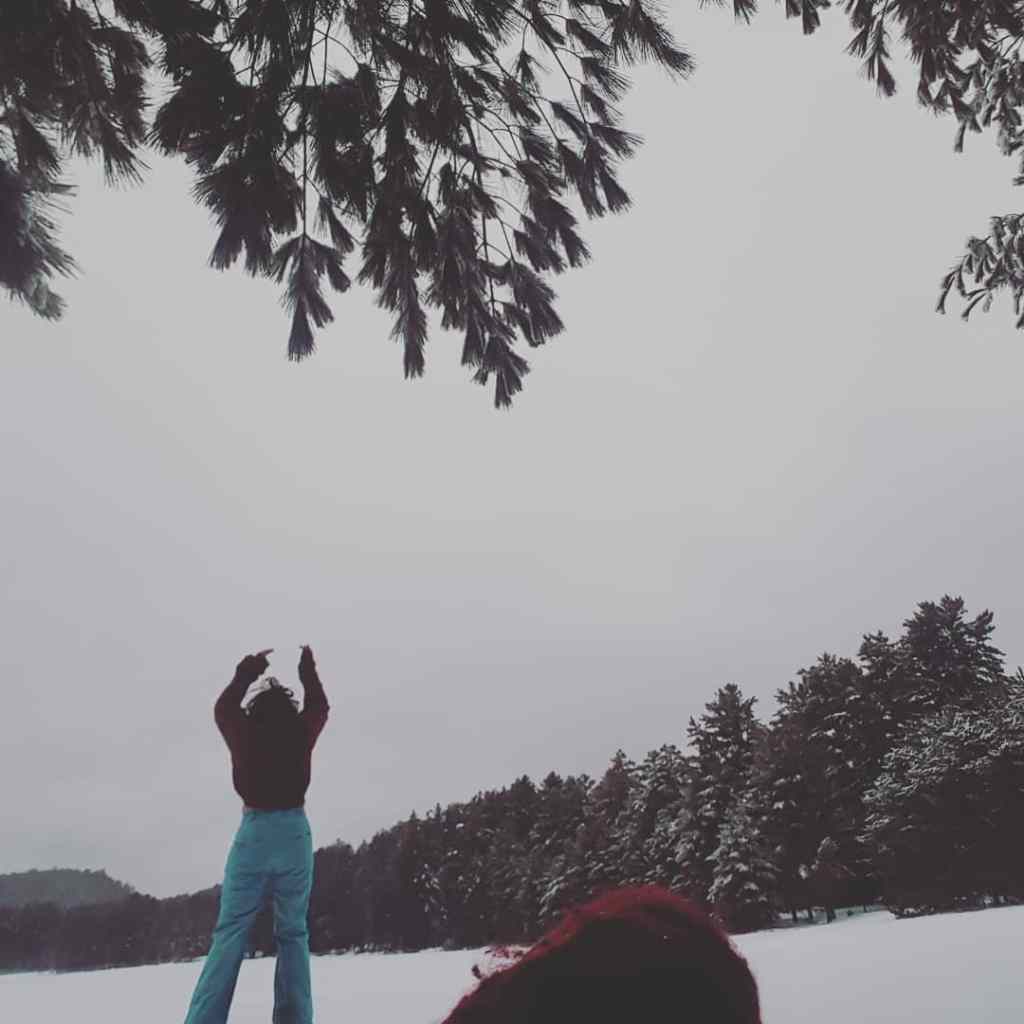
I used graphic design software to render 7 different compositions.
Authority
Hijack and Signals were a period of my life that were already lived. And hence why a series of work already existed.
But Obedience, the next chapter, could only carry authority if they came from lived experience.
Not imagination.
So I didn’t paint.
I just planned. And lived….
Ordinary Places
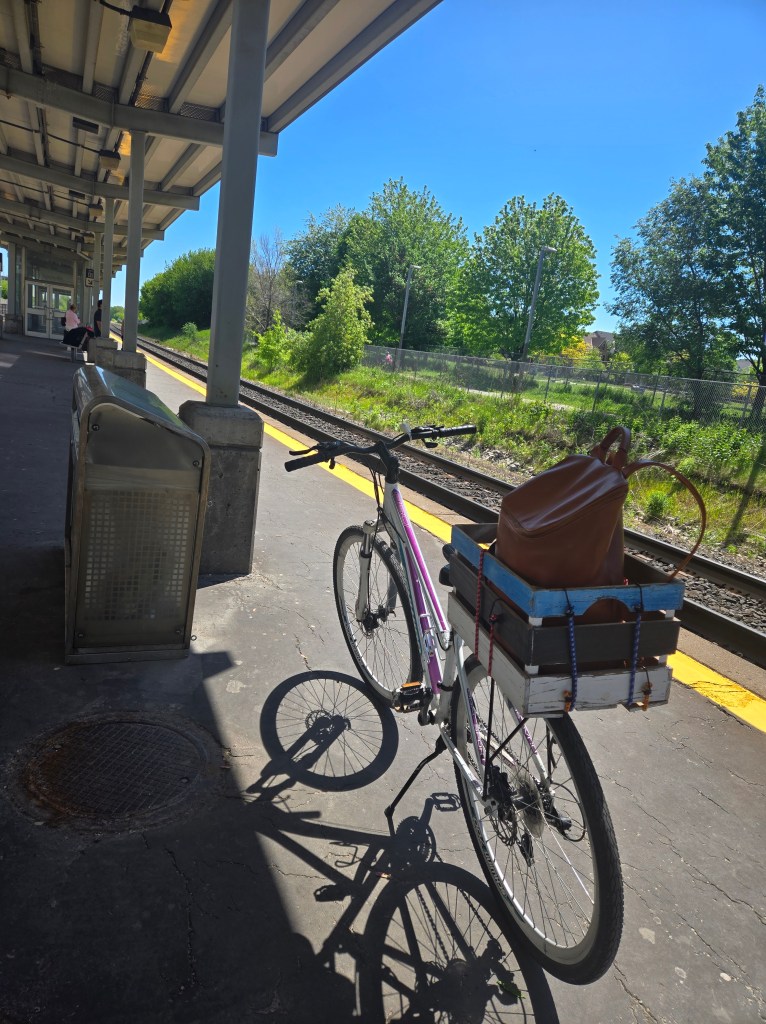
Toronto.
Condos.
Trains.
Cinemas.
Restaurants.
Church gatherings.
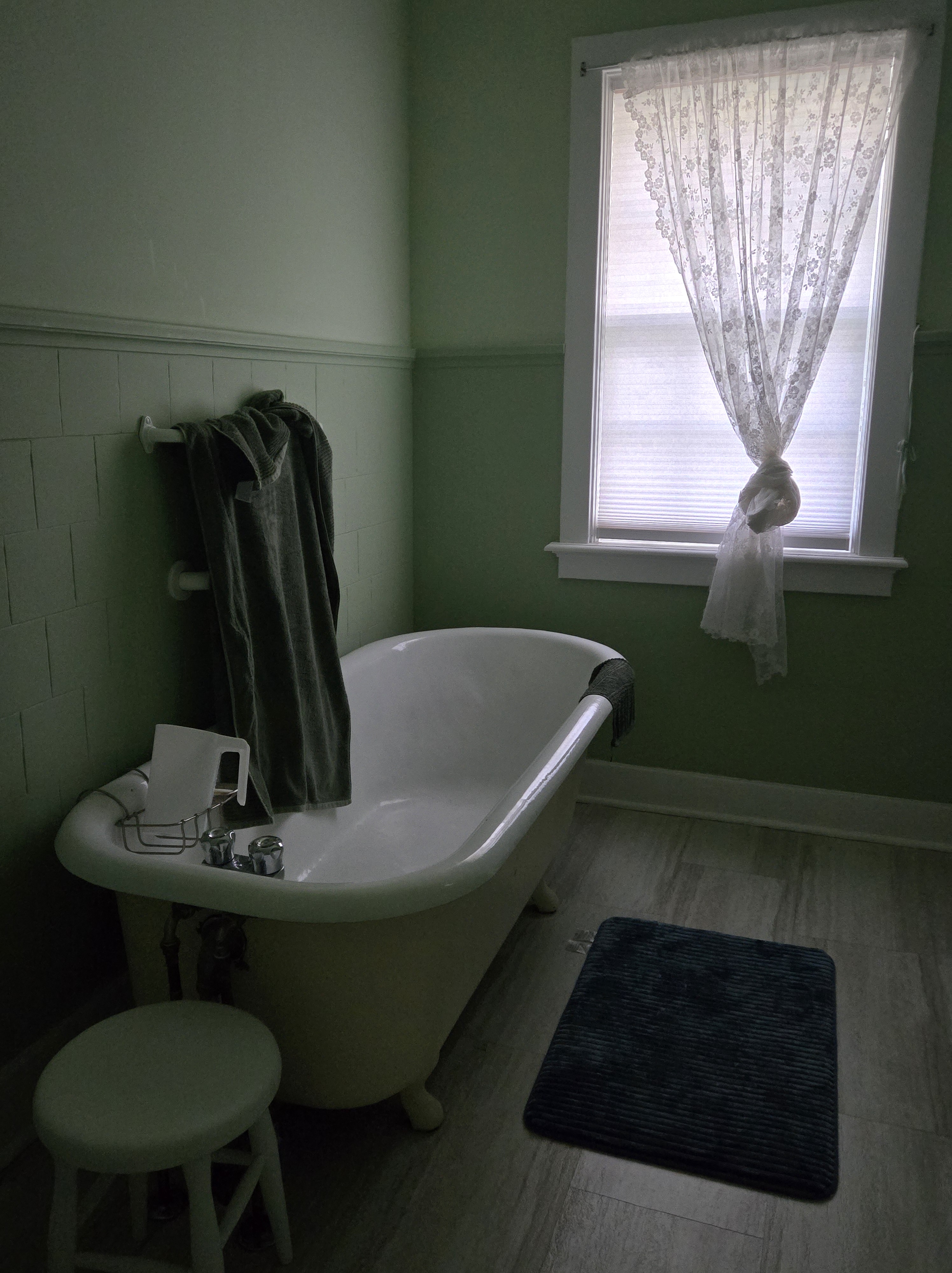
Retreat rooms.
Baths.
Wednesday night dinners.
Aging bodies.
Silence.
No symbolic inflation.
No spiritual theatre.
Mondays
The retreats weren’t the test. Mondays were.
The residency wasn’t asking whether I could be peaceful on retreat.
It was asking whether I could inhabit the same life on an ordinary workday.
- Every meeting.
- Every interruption.
- Every decision that I would over-explain.
- Every temptation to rescue.
- Every chance to prove myself.
- Every consequence that I would absorb instead of allowing it to belong to other people.
- Every status quo to optimize.
- Every opportunity to become critical instead of curious.
The Midpoint
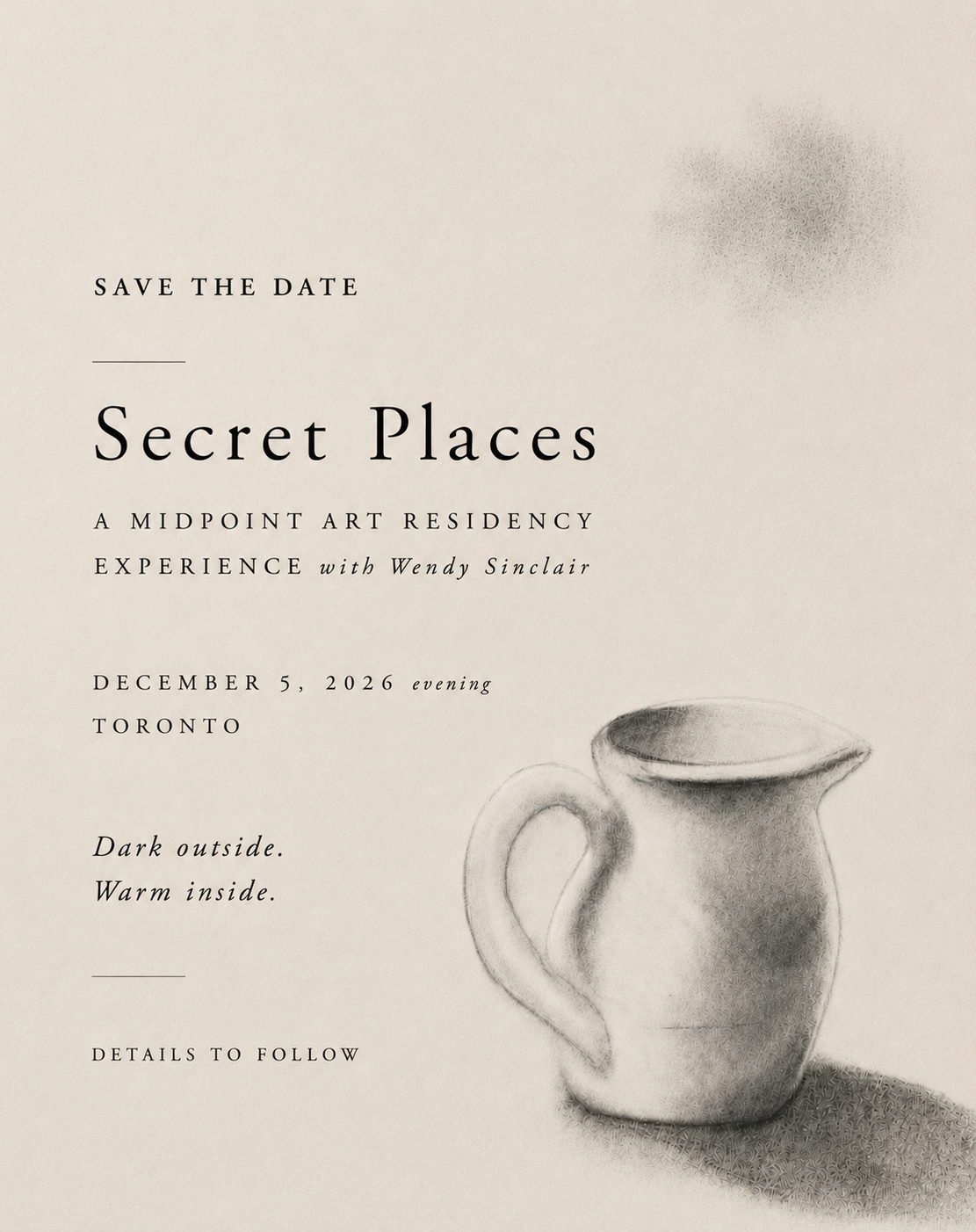
The midpoint event exists because contemplation is invisible.
I wasn’t planning an art exhibition.
I was designing an experience that let people witness formation.
Studying Together
The work wasn’t meant to stay private.
Some of the most important conversations happened around an open Bible and a coffee shop table in downtown Toronto with a good friend.
A Different Kind of Hero
For most of my life, I thought wisdom had to be earned the hard way.
Break the relationship.
Fry the nervous system.
Recover.
Become wiser.
Repeat.
Slowly, I began to wonder if there was another way.
Not a hero’s journey of conquest.
An interior one.
Descend.
Discern.
Reorder.
Abide.
Soundtrack
Added this month:
- Lydi Lynn
- Allie Page
- John Mark Pantana
- ISLY
- Laity
June 2026
The work moved into the world.
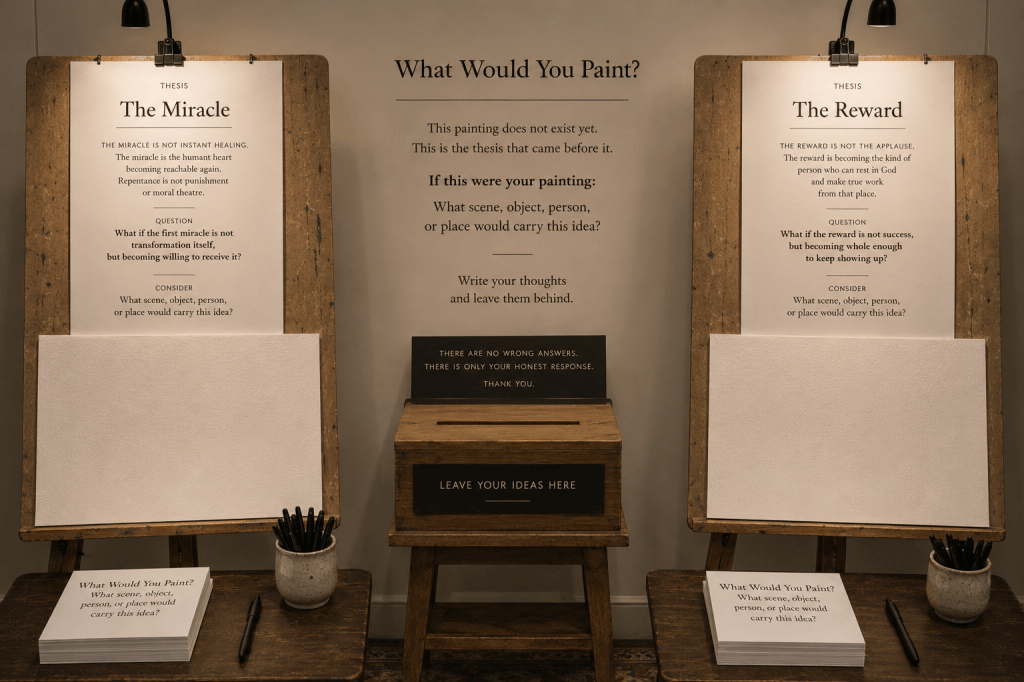
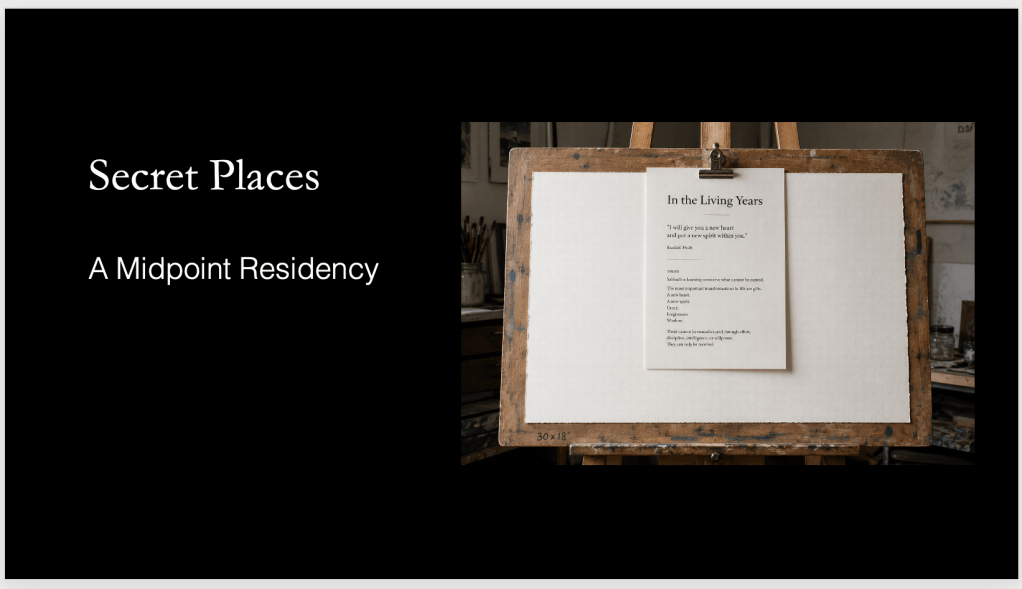
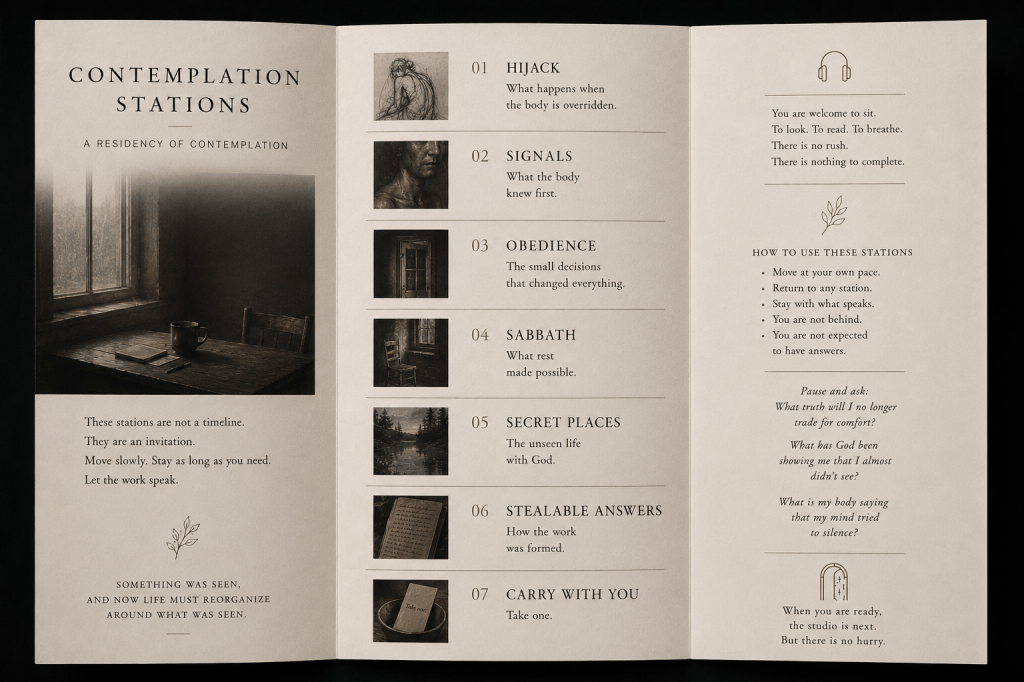
Designing the Midpoint Event
The work had to become walkable.
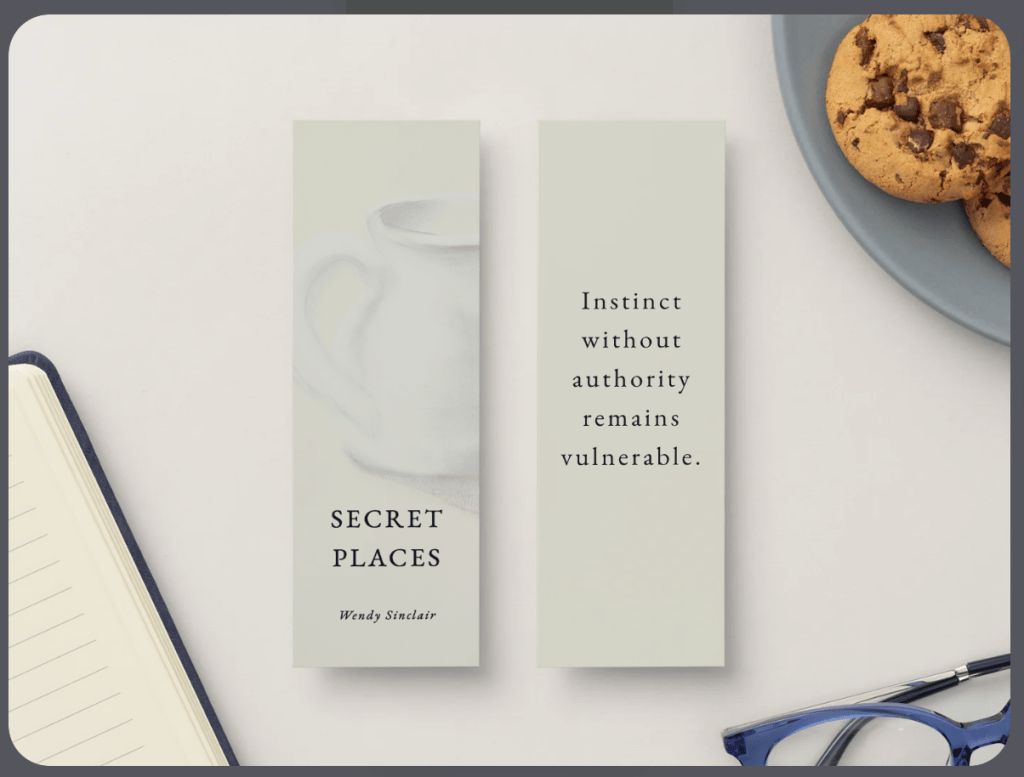
Stations. Signage. Prompt cards. Presentation. Artifacts.
The question became, “How could someone else experience this journey?”
AI tools helped me select photos, test layouts, exhibition concepts, typography, imagery, and ways of communicating the work.
Outside
I spend as much time outdoors as I can in my spare time.
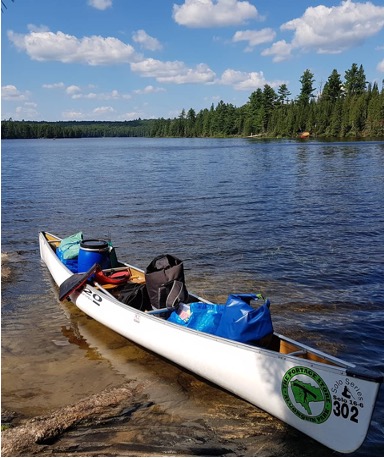
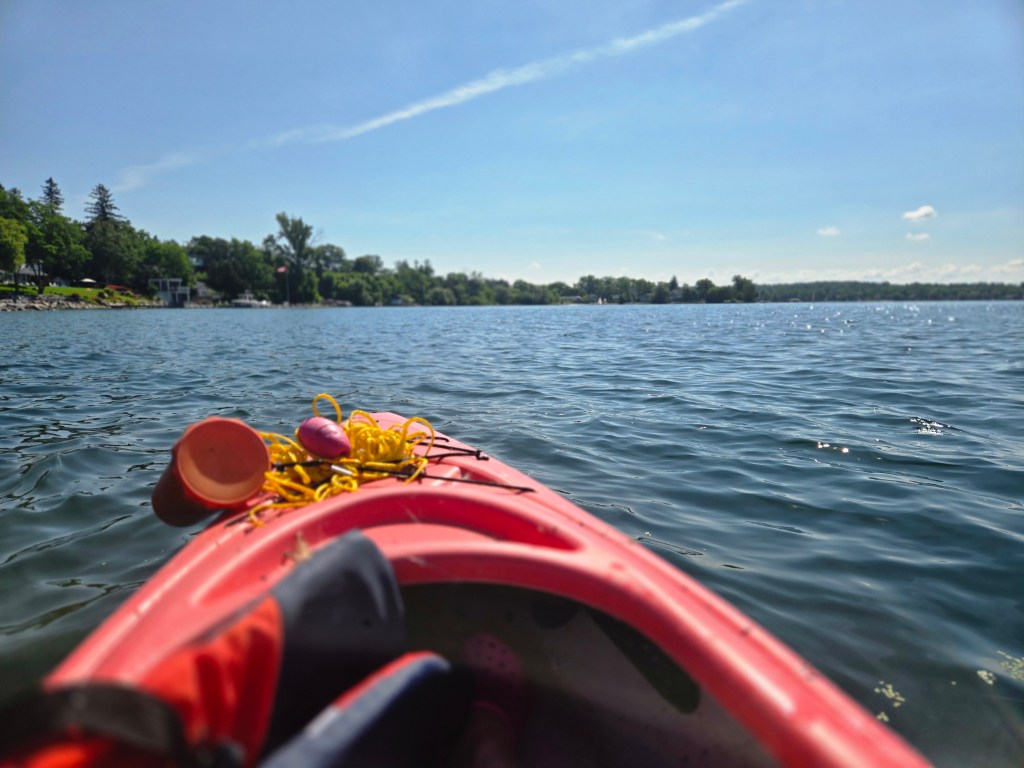
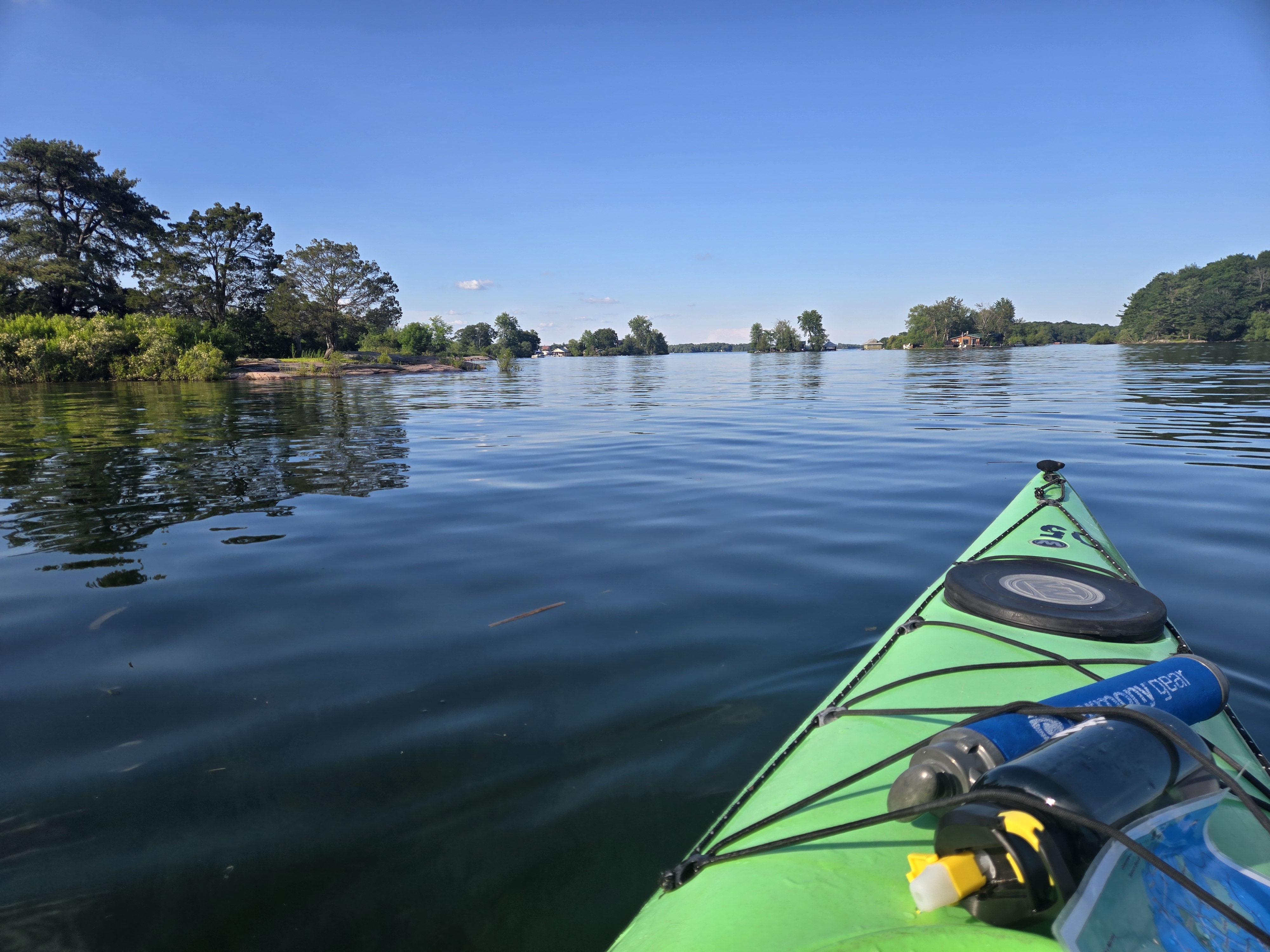
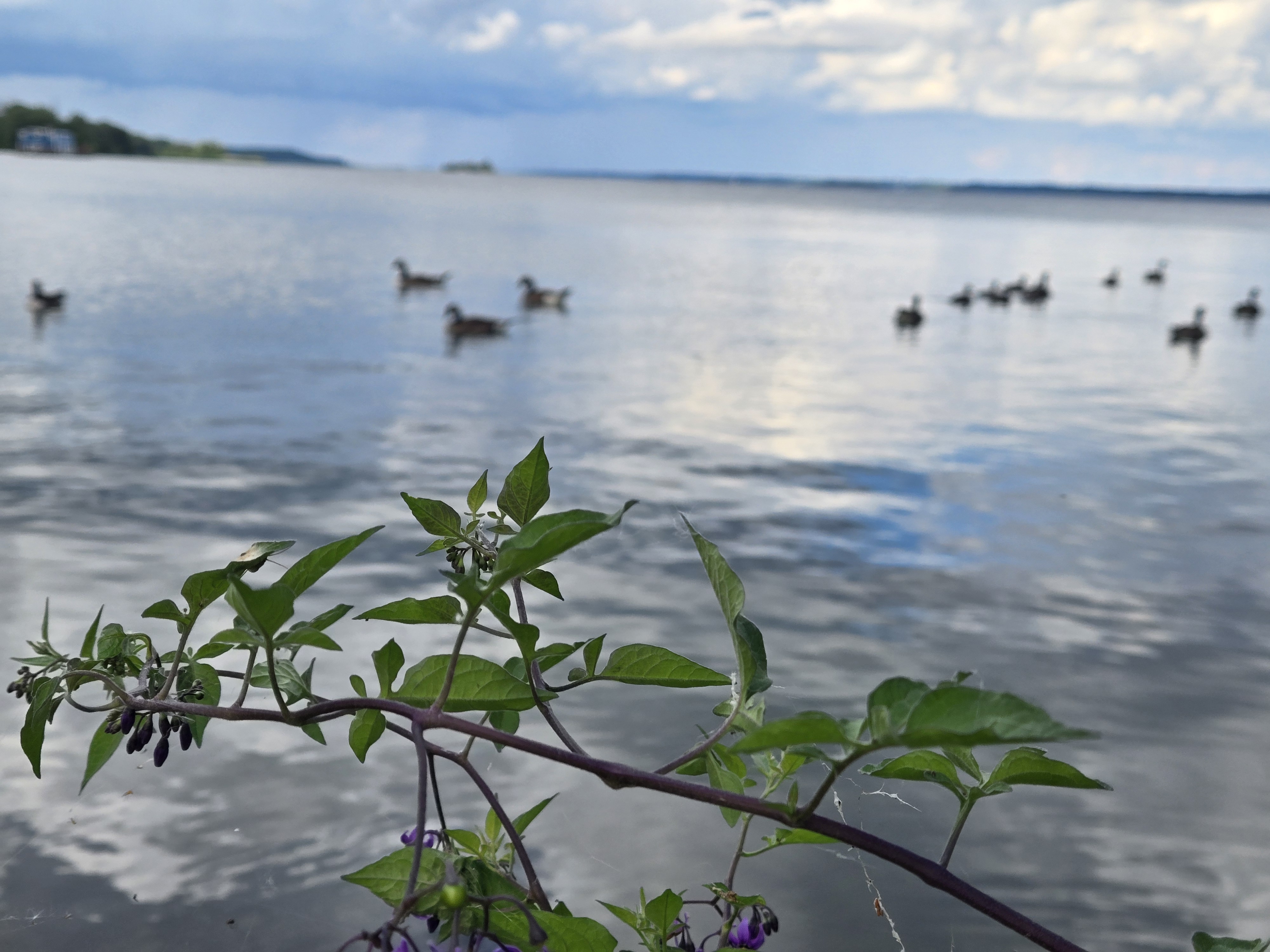
On the water. In the woods. Walking barefoot. Visiting small towns and places I could inhabit.
Building the website
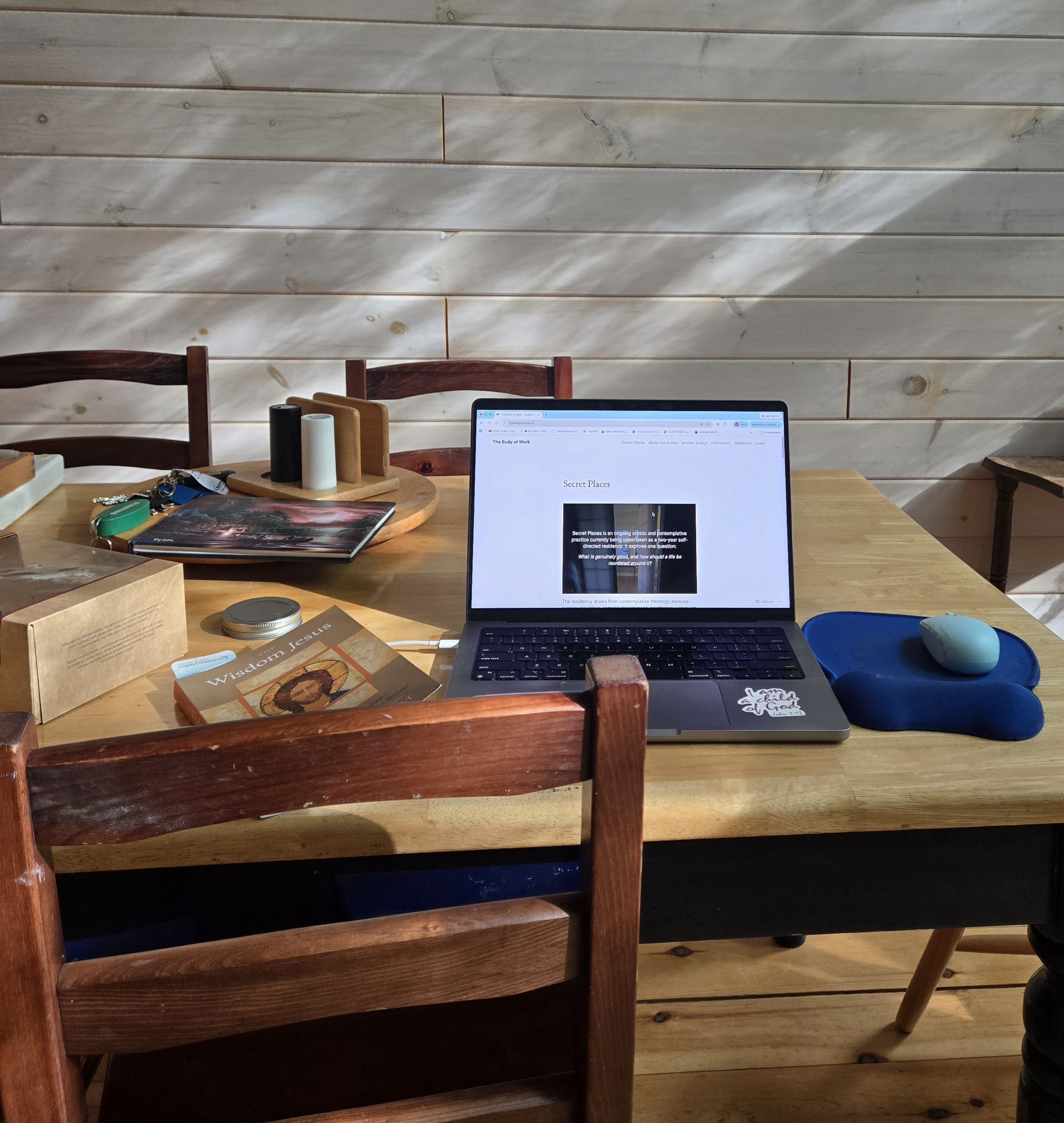
The website wasn’t promotion.
It was part of the residency itself.
I spent weeks designing a place where I could describe Secret Places and where the body of work could finally belong together.
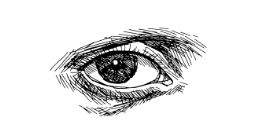
The Eye
As the website took shape, so did its identity.
The eye was the obvious symbol.
It had to represent attention, discernment, and learning to see.
The body had been doing the work long before I had language for it.
Not replacing the body’s knowing.
Learning to trust it.
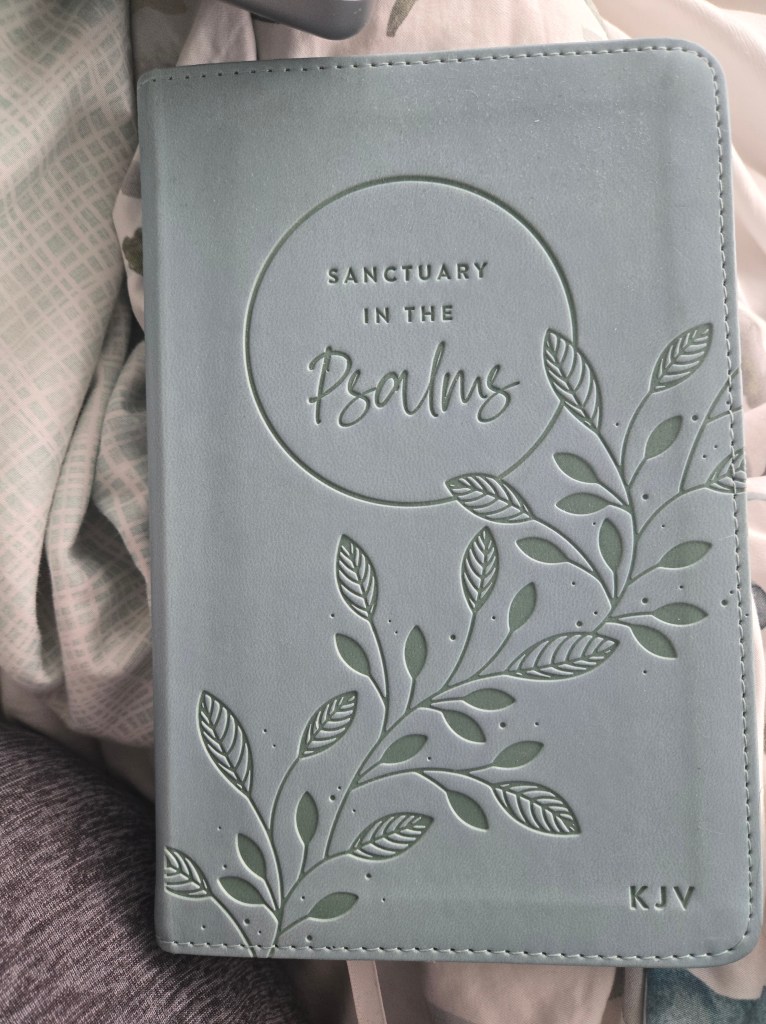
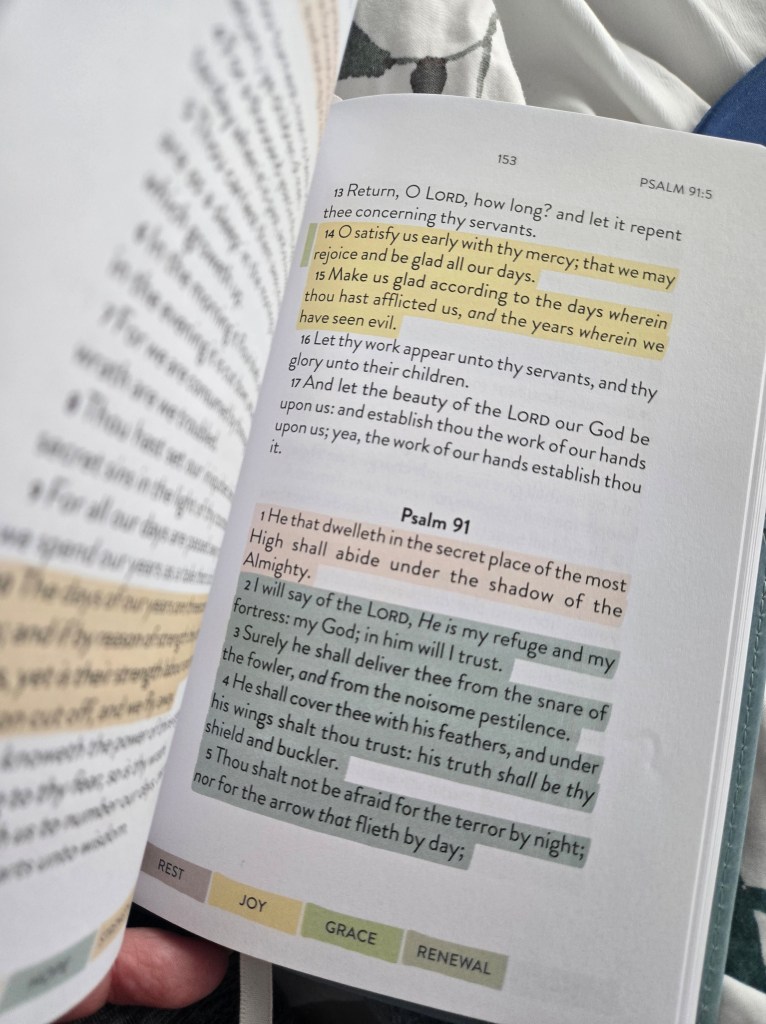
Praying: The Psalms
Someone else had already prayed.
Someone else had already wrestled with fear, joy, grief, waiting, gratitude, and trust.
Not every prayer needs to be original.
I continued to pray everyday.
Quarterly Review
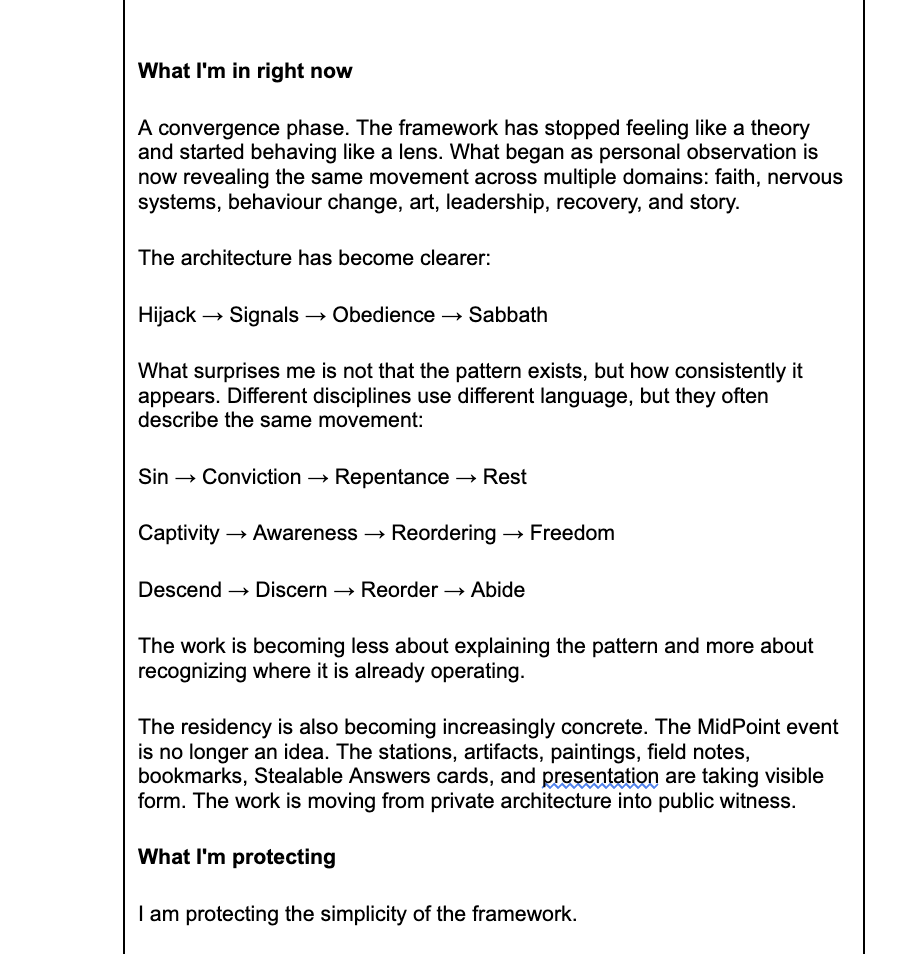
Every three months, I looked back over the residency, asking:
- What changed?
- What patterns were emerging?
- What no longer felt true?
- What needed protecting?
- What wanted more attention?
The review became part of the practice. It helped distinguish isolated experiences from patterns that were beginning to hold.
Soundtrack
Added this month:
- Sons of Sunday
- Will Reagon
- Johnathan Ogden
- The Belonging Co.
- Elevation Rhythm
July 2026
The ordinary is enough.
The Studio
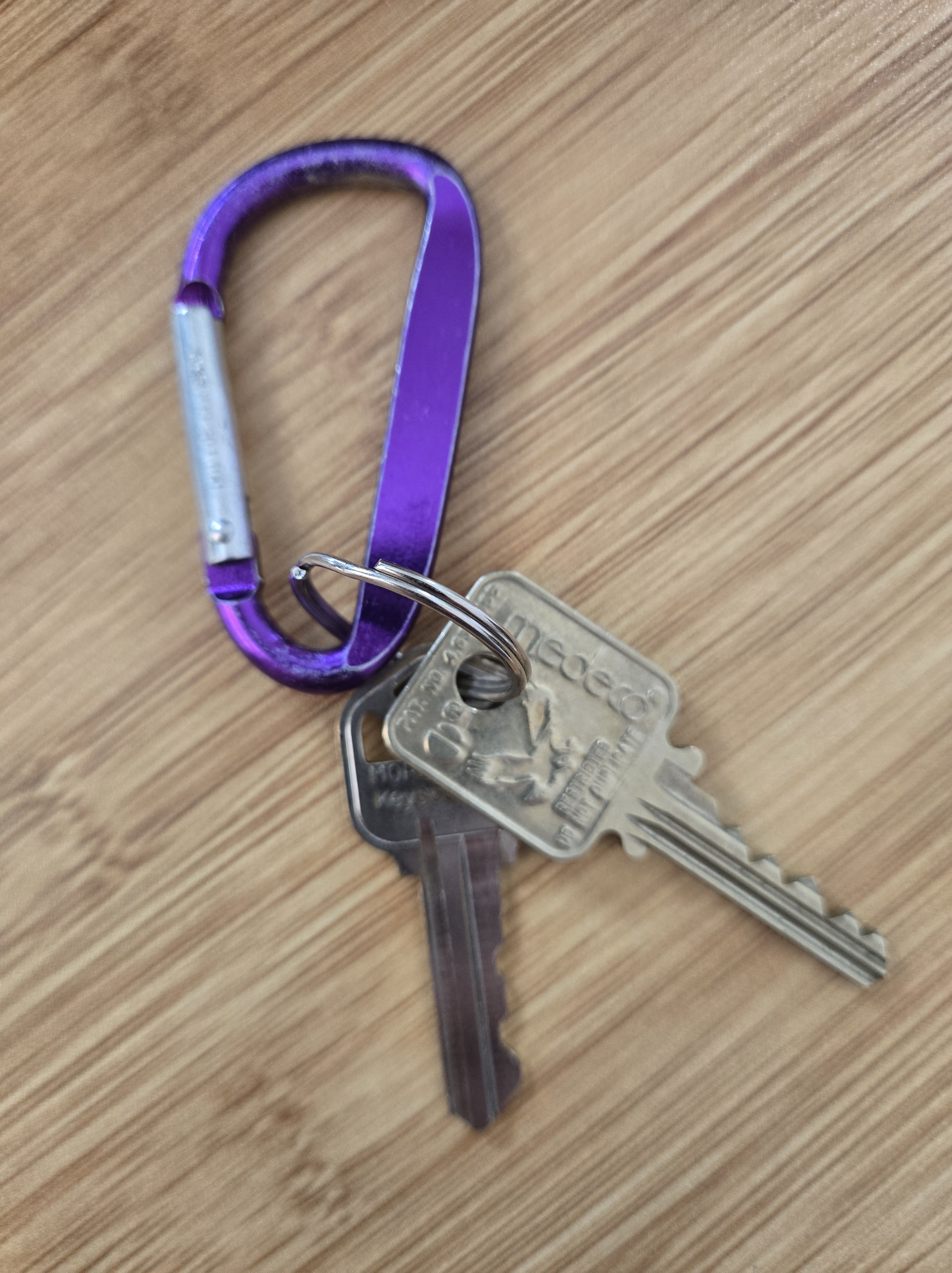
Friends who were moving away gave me the keys to their studio. This was a serendipitous gift.
I didn’t move my supplies and furniture in right away. July had already been planned around retreats and travel, and the studio would have to wait a few more weeks.
Even so, the residency now had a place waiting for it.
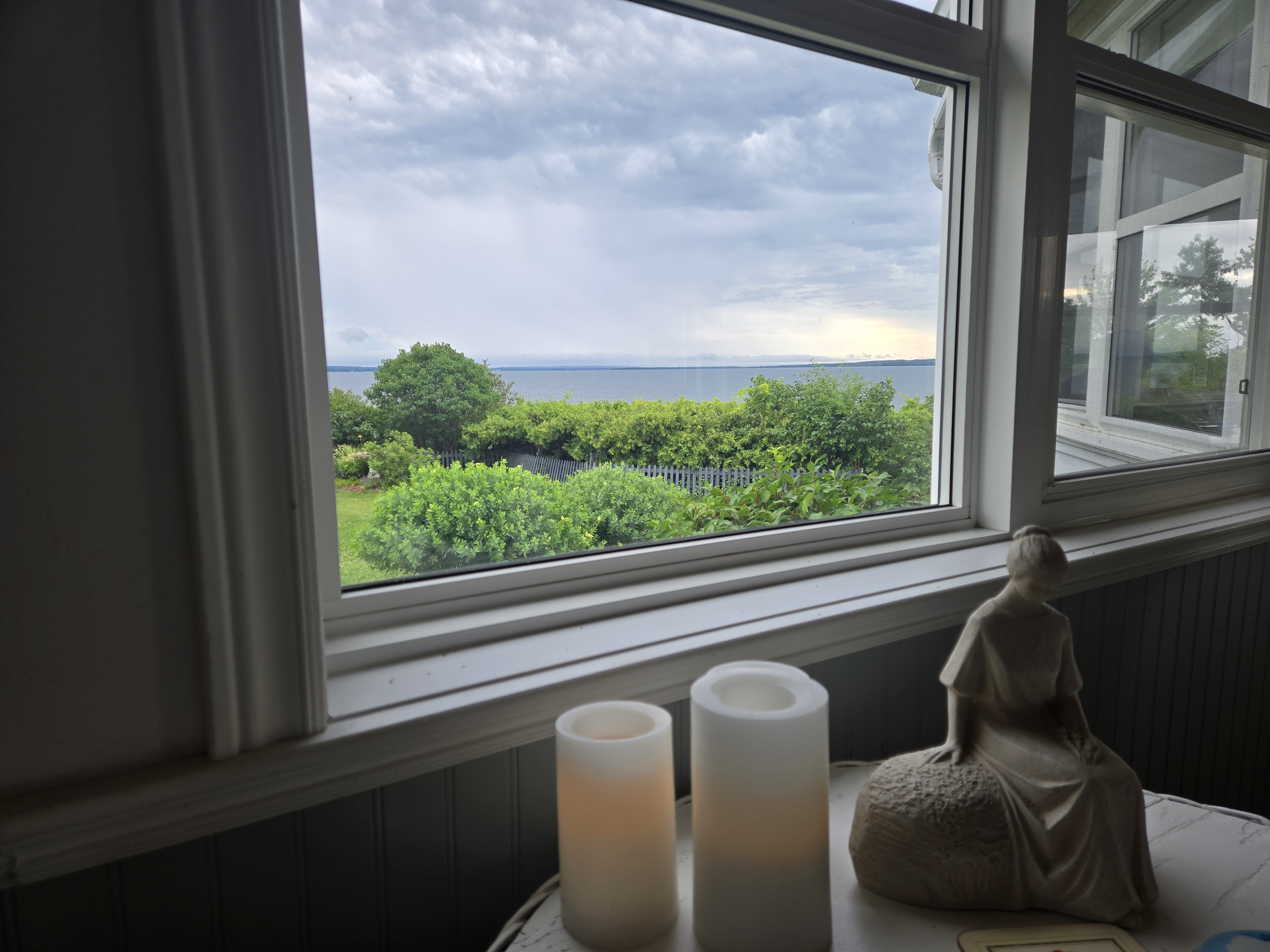
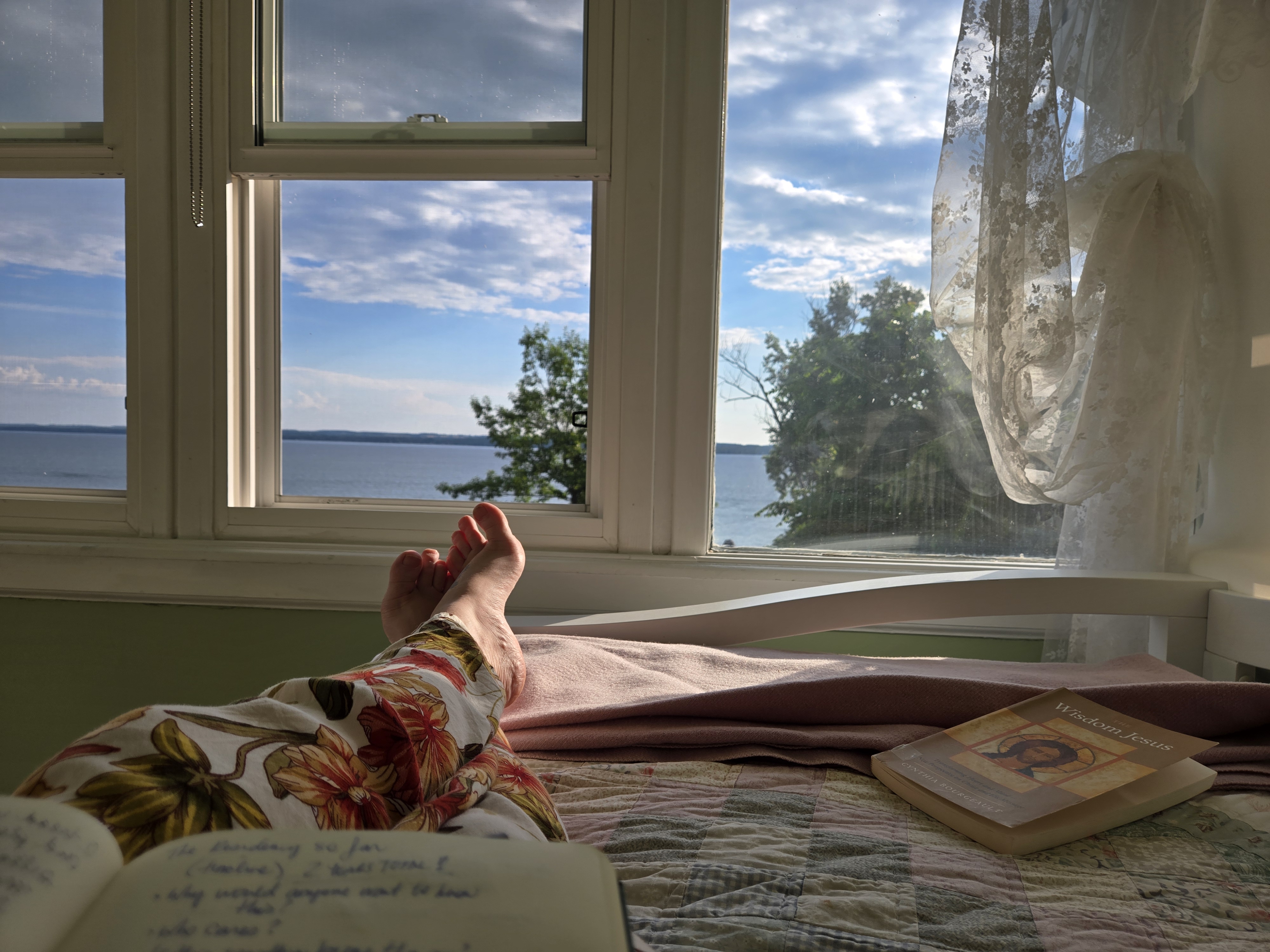
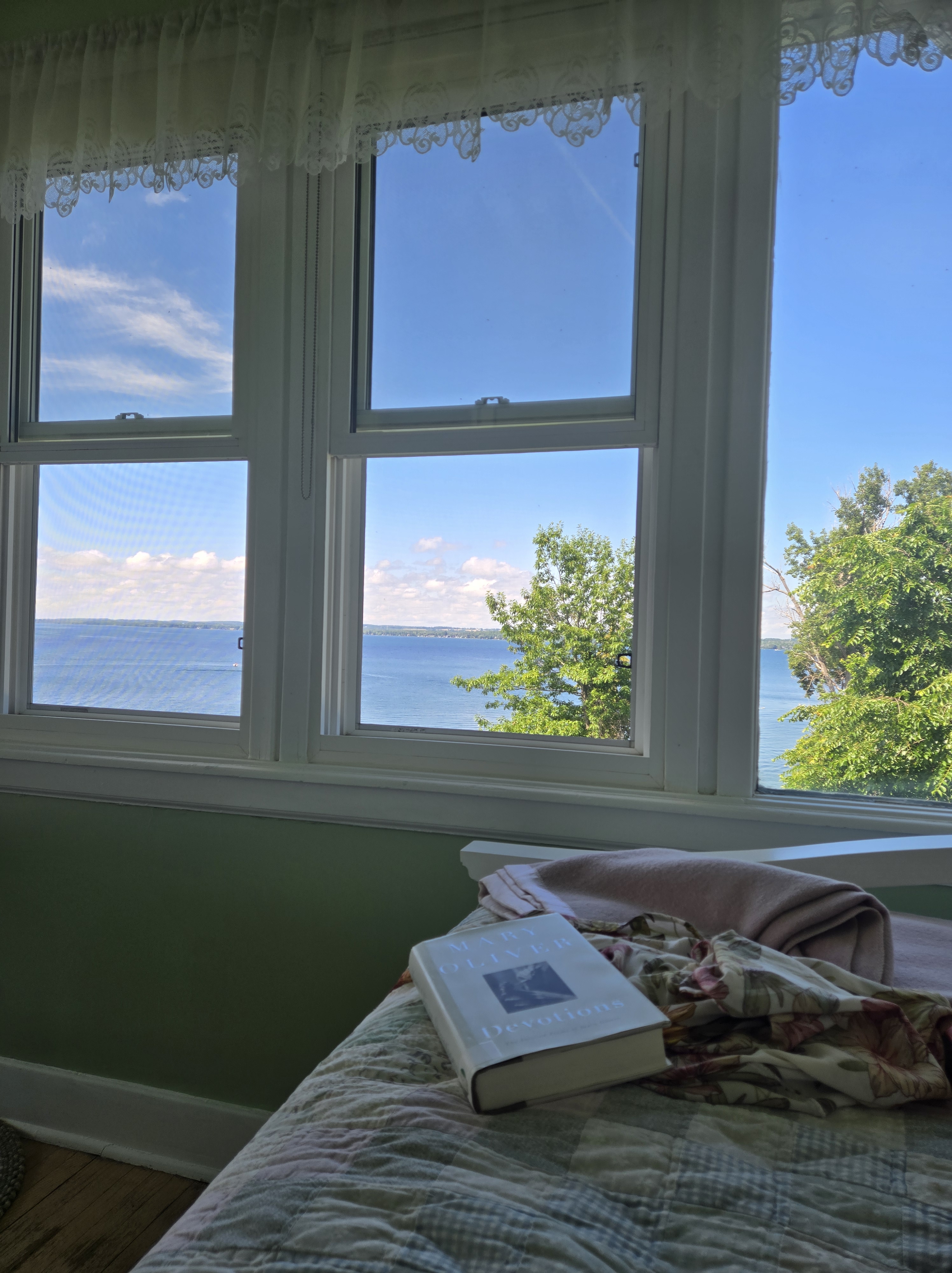
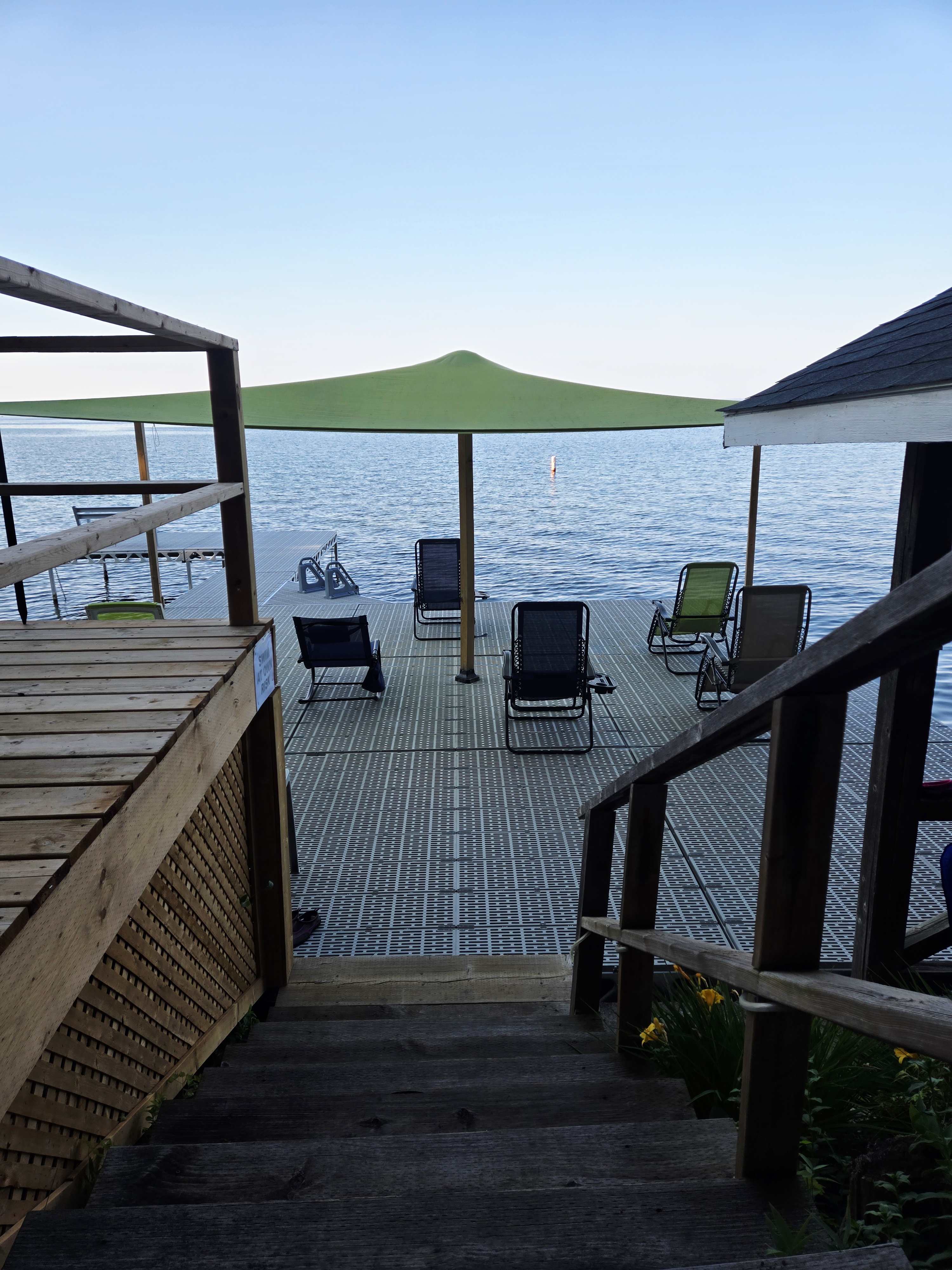
Six Days of Silence
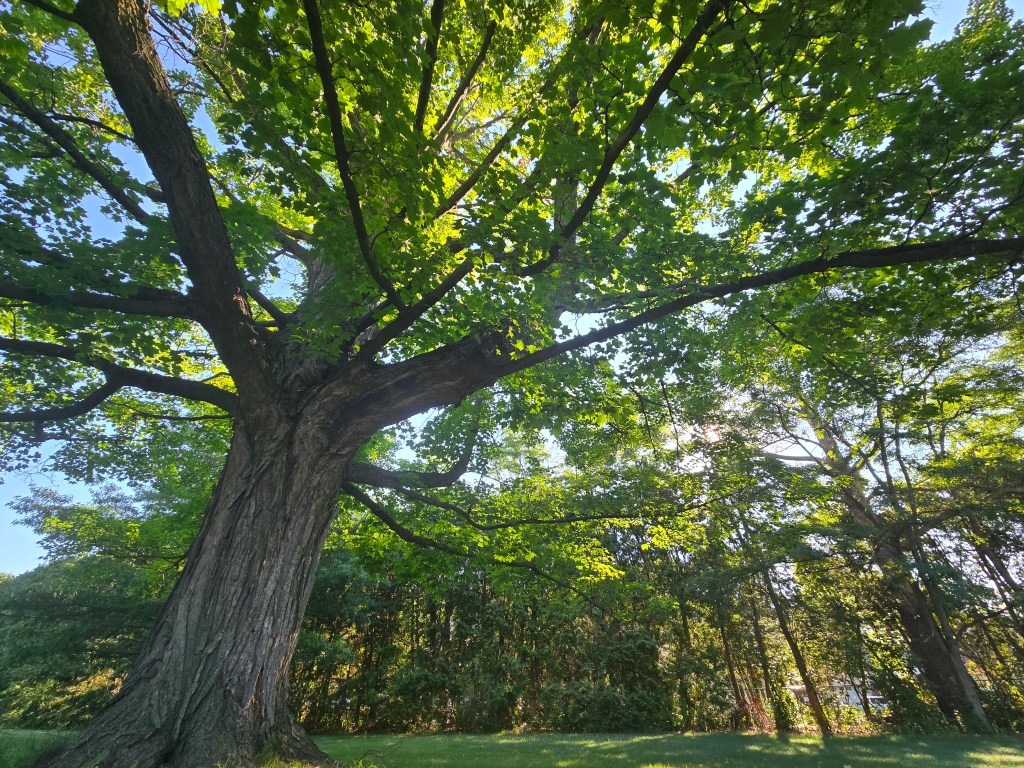
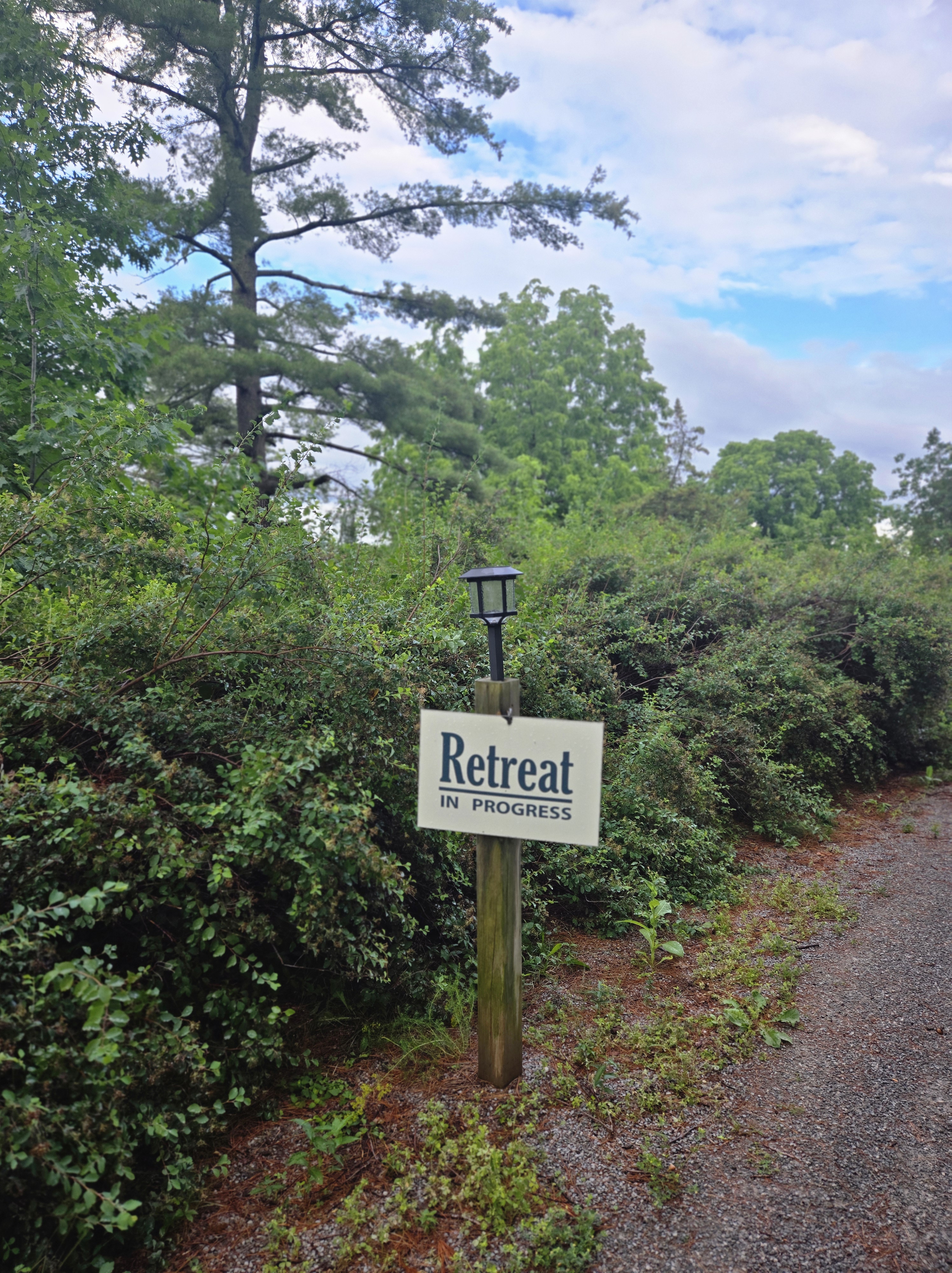
I returned to Maryholme for a six-day silent retreat.
Praying, eating, resting, reading, walking, swimming, kayaking, painting, writing, and spiritual direction became the rhythm of the week.
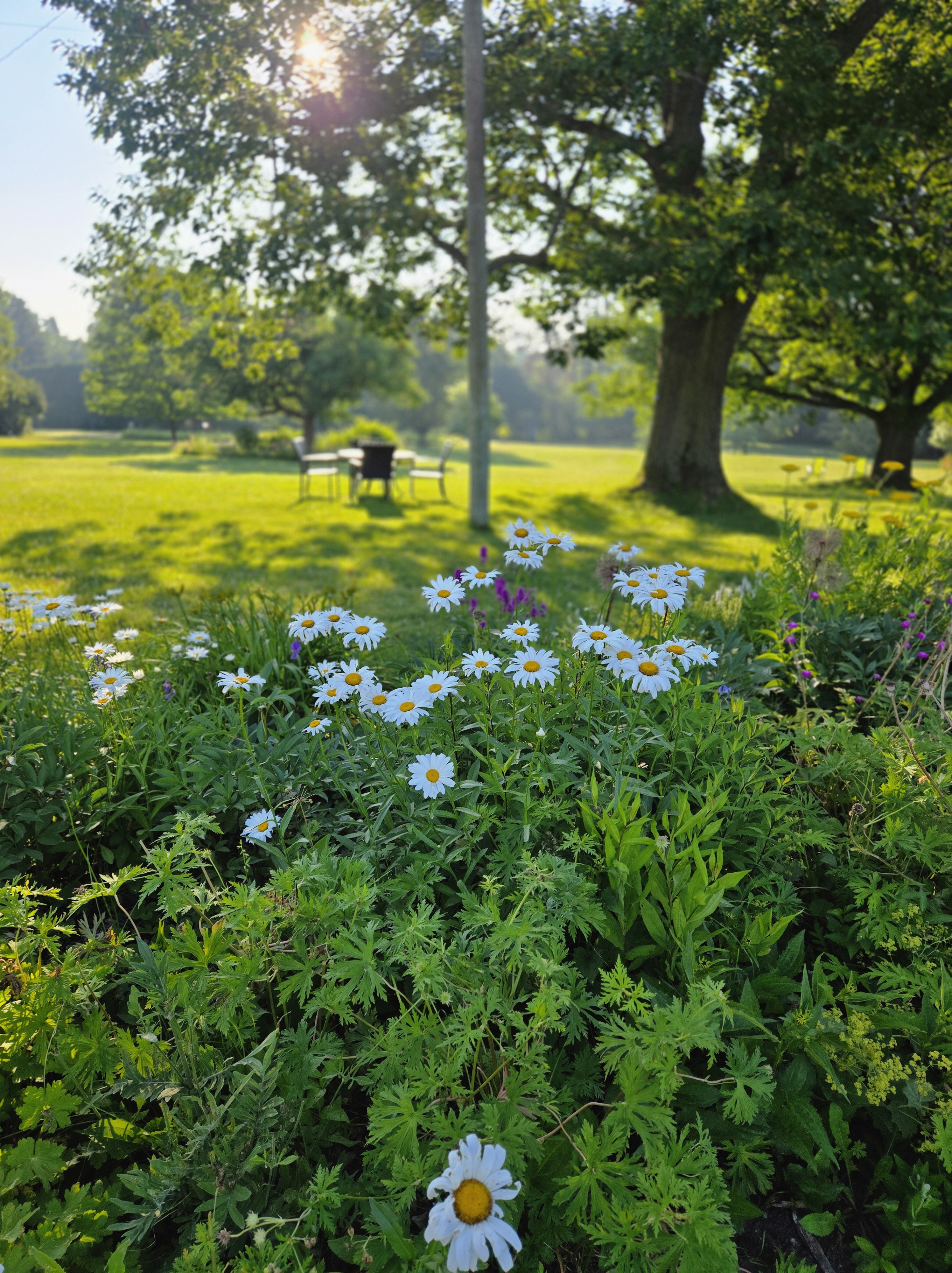
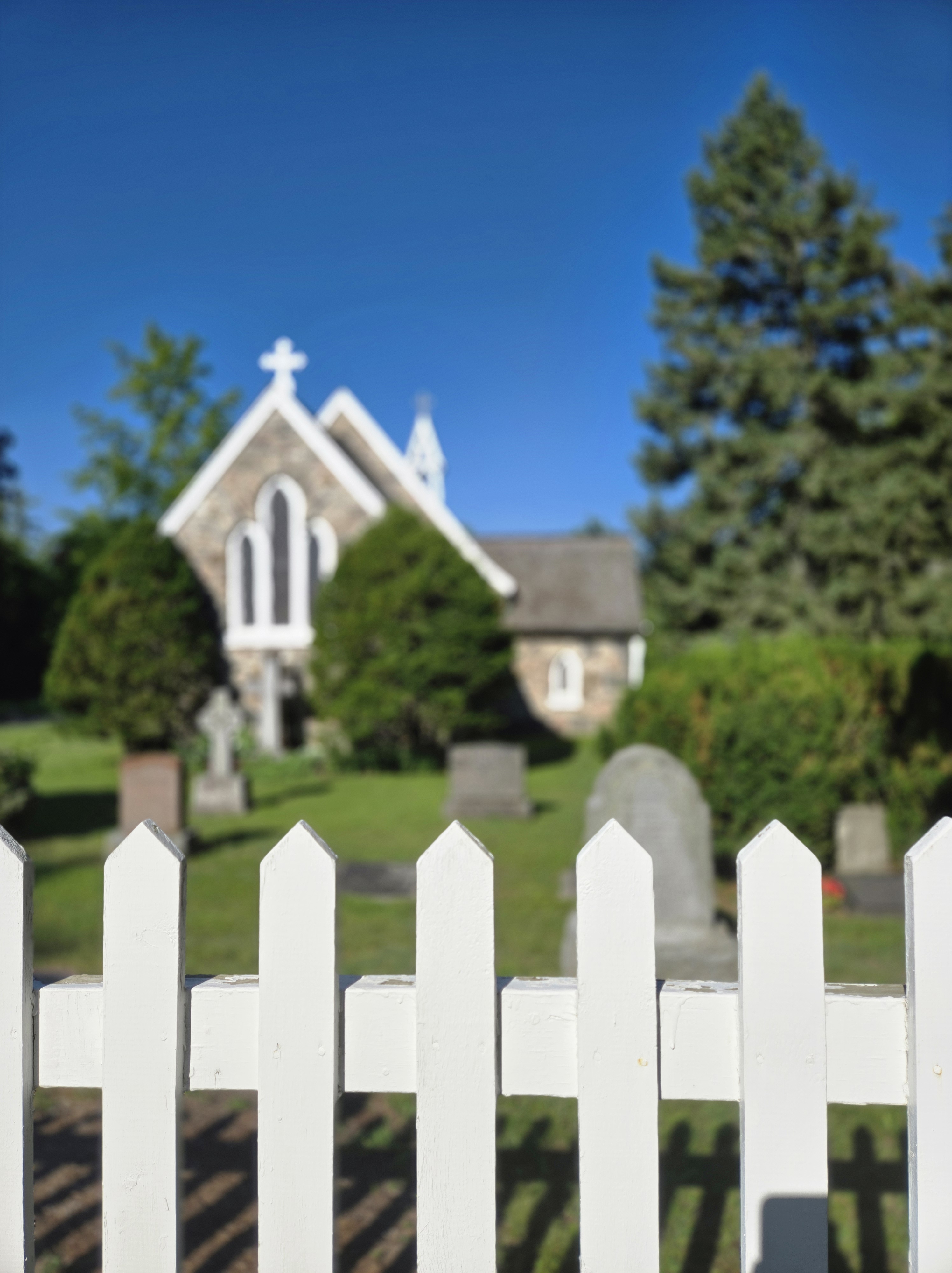
What Do I Notice?
During every retreat, I carried a notebook everywhere.
Instead of looking for insights, I write down what I notice.
Many of these ordinary observations later found their way into poems, paintings, and field notes.
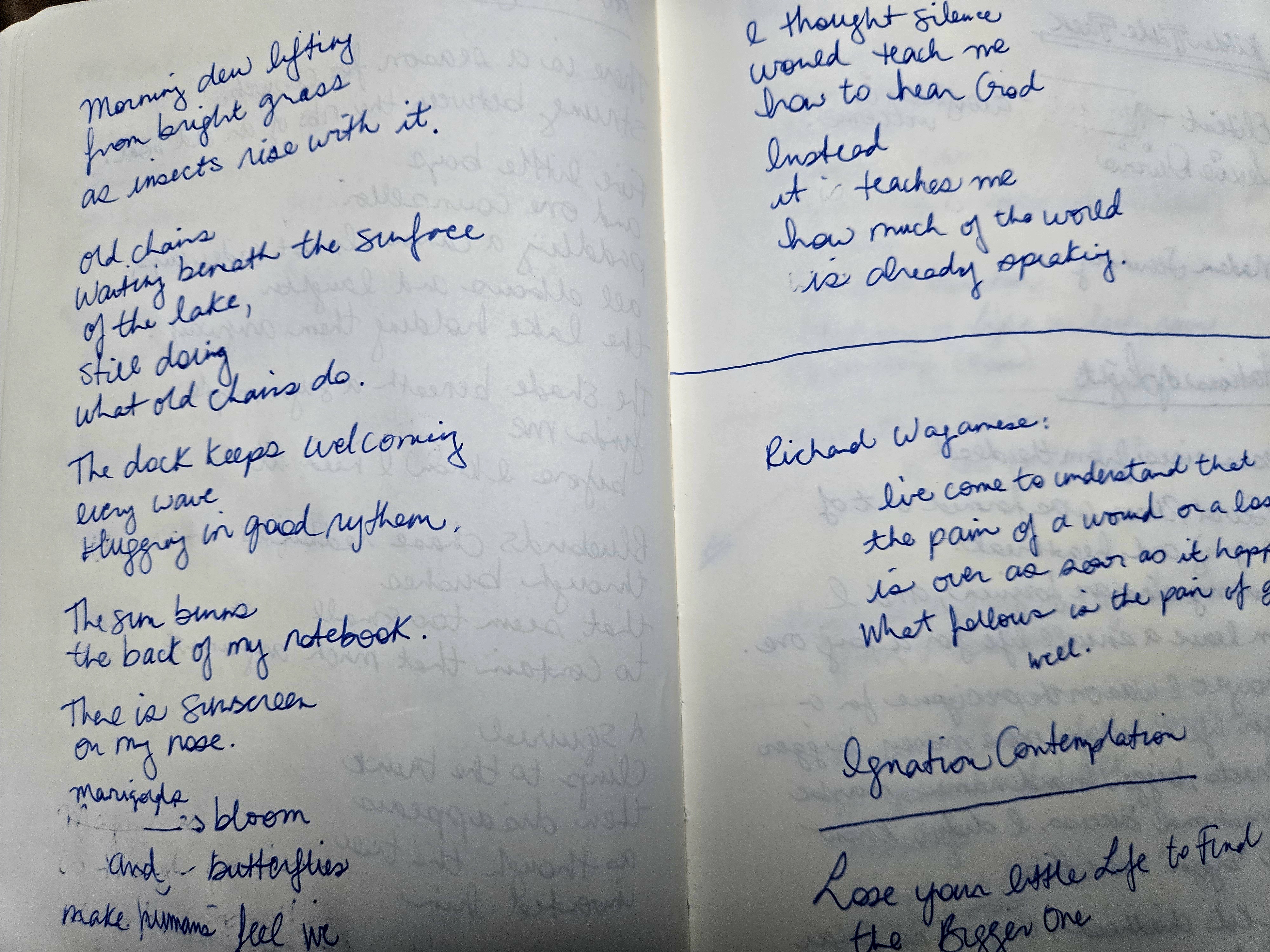
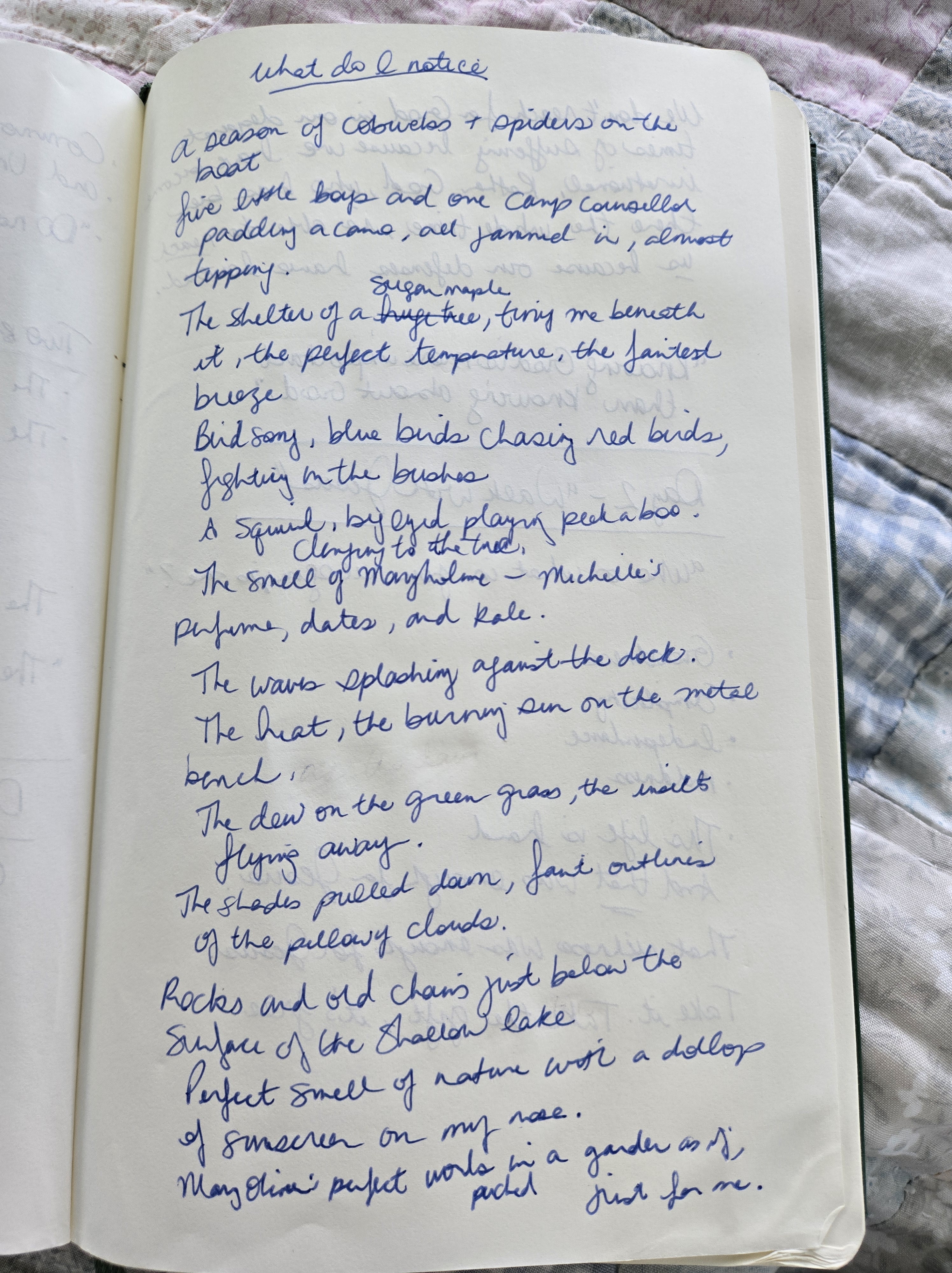
At Maryholme
There is a season for cobwebs
strung between the ribs of an old boat.
Five little boys
and one camp counsellor
paddling a canoe almost sideways,
all elbows and laughter
the lake holding them anyway.
The shade beneath a sugar maple finds me
before I know I need it.
Bluebird chase redbirds
through bushes
that seem to small for that much argument.
A squirrel
clings to a tree trunk
then disappears
as though the tree
invented him.
Maryholme has its own smell
Michele’s perfume
dates
kale.
Morning dew lifting
from bright grass
as insects rise with it.
Old chains
waiting beneath the surface
of the lake,
still doing
what old chains do.
The dock keeps welcoming
every wave
behaving like good neighbours.
The sun burns
the back of my notebook.
There is sunscreen
on my nose.
Marigolds bloom
and butterflies
make humans feel like
we are only guests in this garden.
~ wendy sinclair
The way we see is inseparable from the way we live.
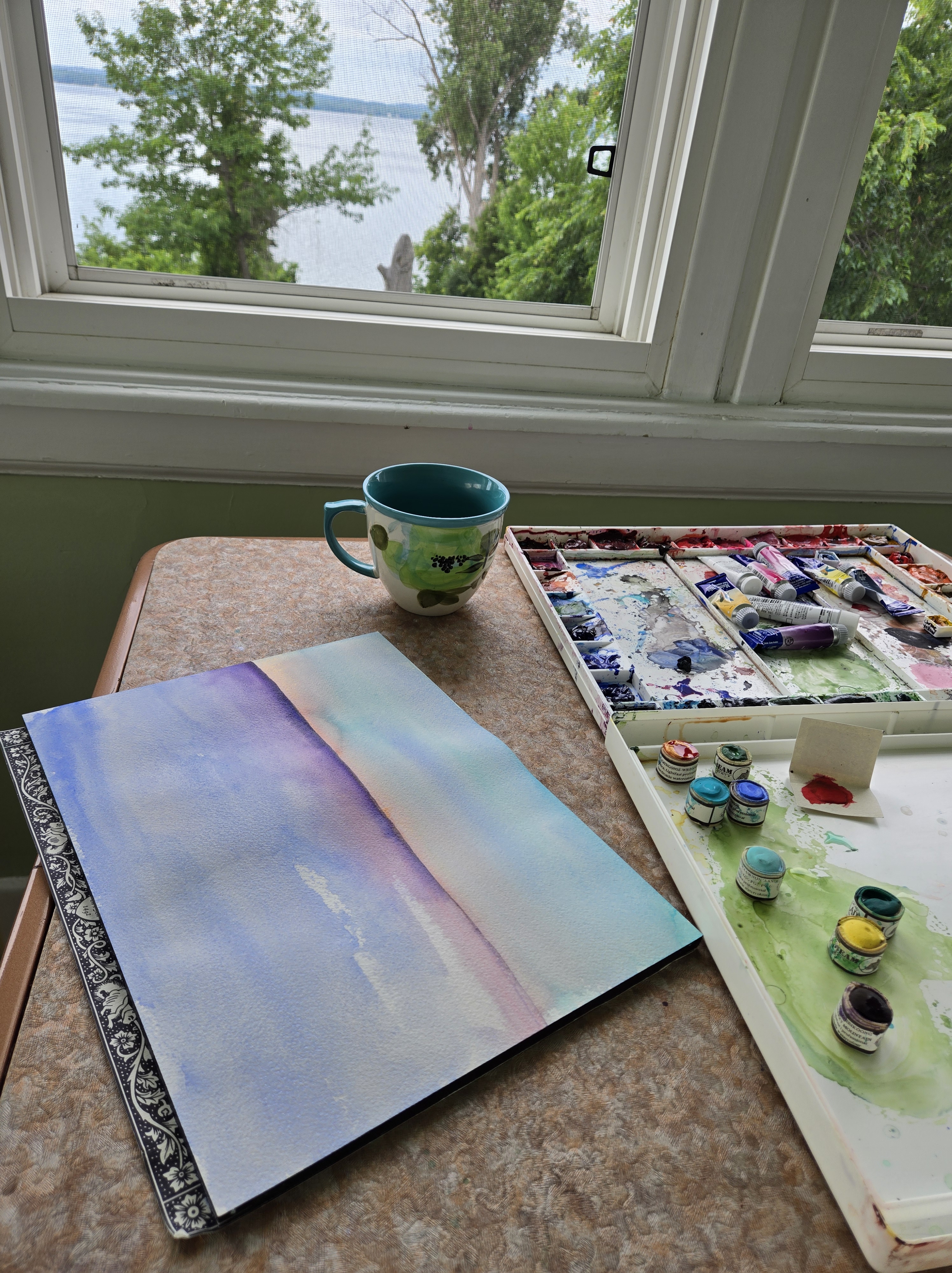
I didn’t go to Maryholme to paint a series of paintings.
Until then, I had assumed that becoming a better painter meant learning technique.
During the retreat, I began to realize that technique follows perception.
The way I saw the world was changing.
As my life became less organized around performance, approval, urgency, and unnecessary inputs competing for my attention, my attention changed with it.
I found myself drawn to ordinary things.
Likely because they matched my nervous system, which was settled. Regulated.
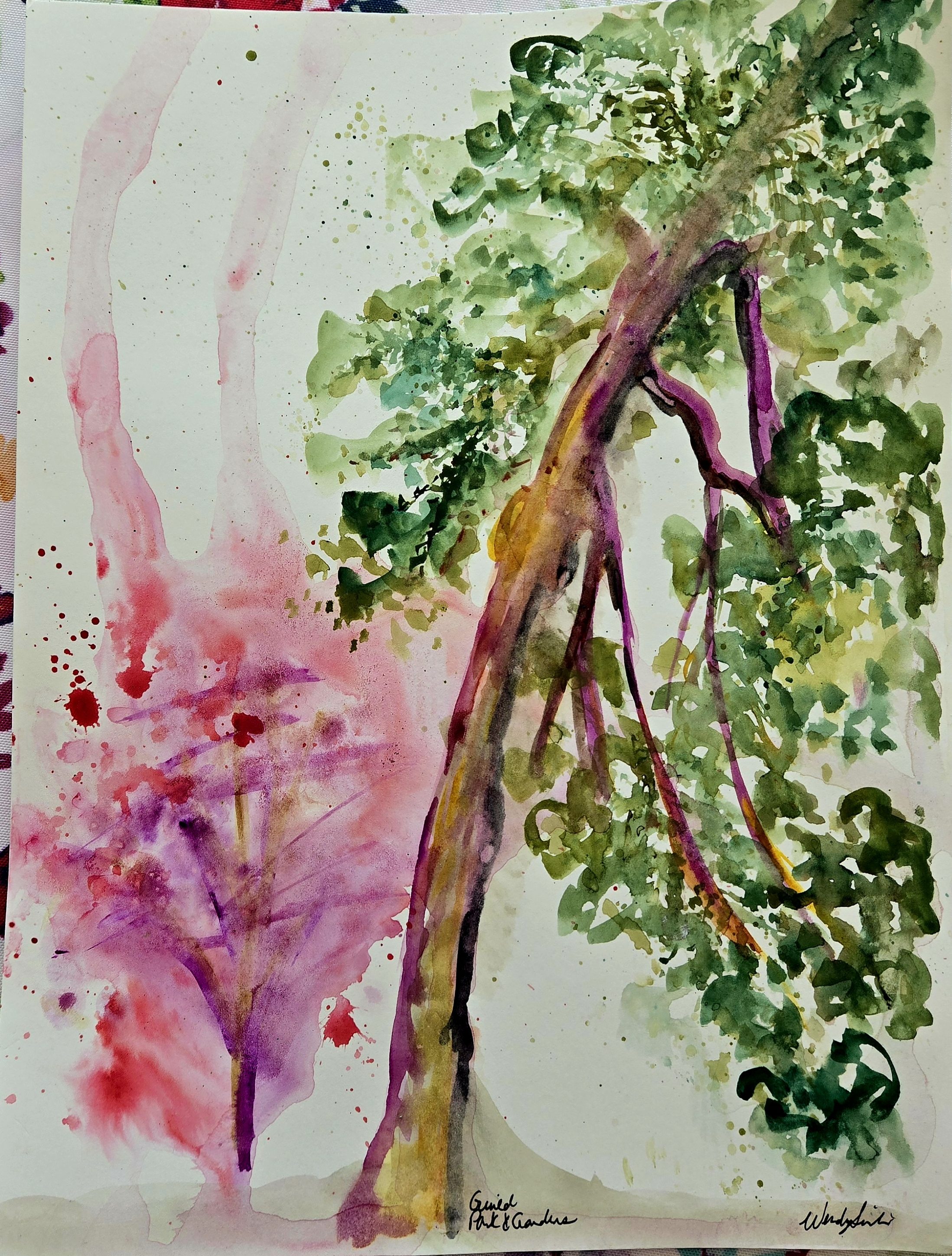
~ A tree whose branches drooped instead of reaching upward.
~ The posture of a person rather than the expression on their face.
~ Light on a path.
~ A chair.
~ Wildflowers.
~ The surface of the lake.
I wasn’t looking for subjects that demanded attention.
I was learning to trust that careful attention could reveal what was already there.
The practice became less about producing paintings and more about cultivating perception.
Three ideas emerged during the week.
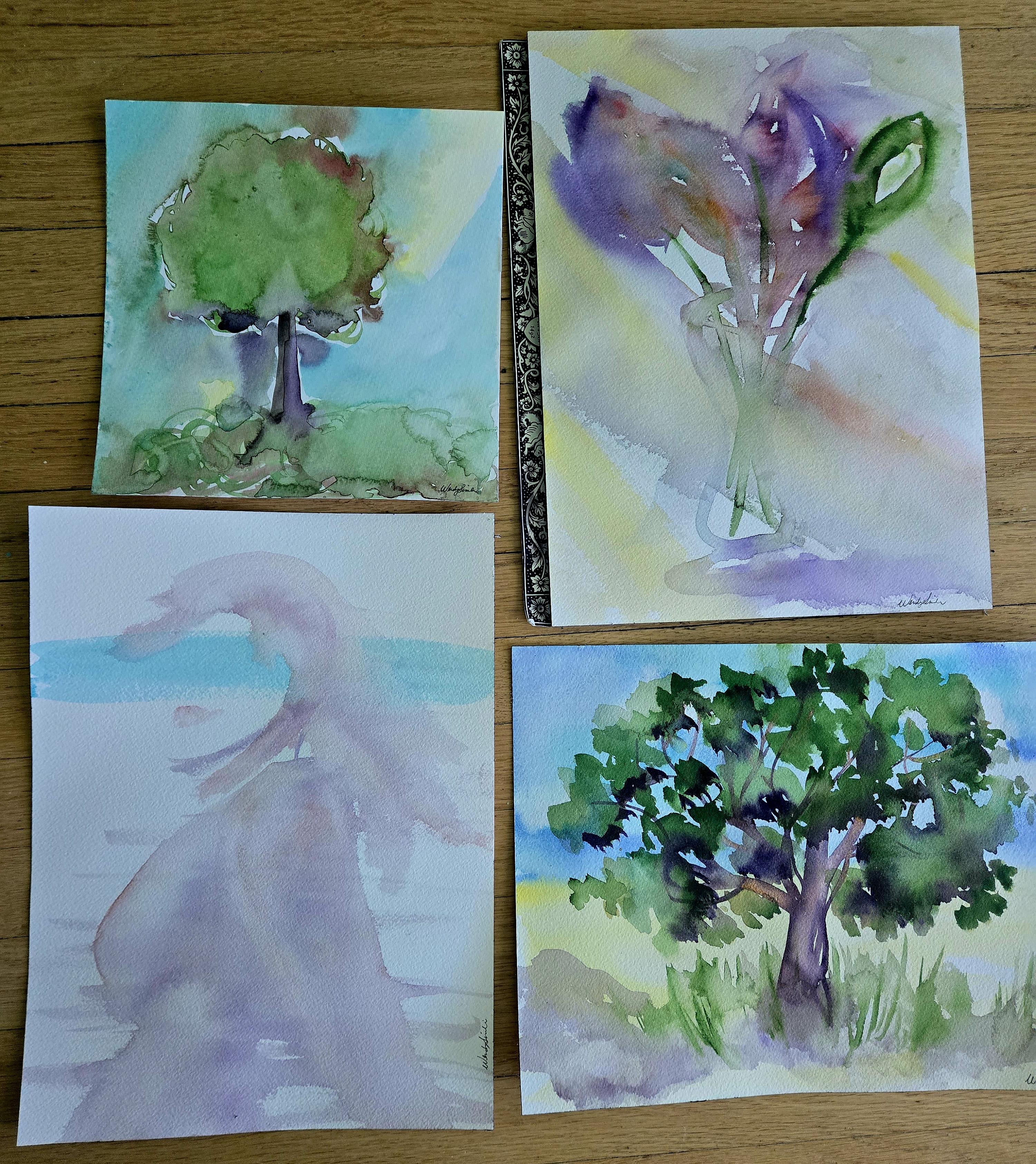
Painting Practice
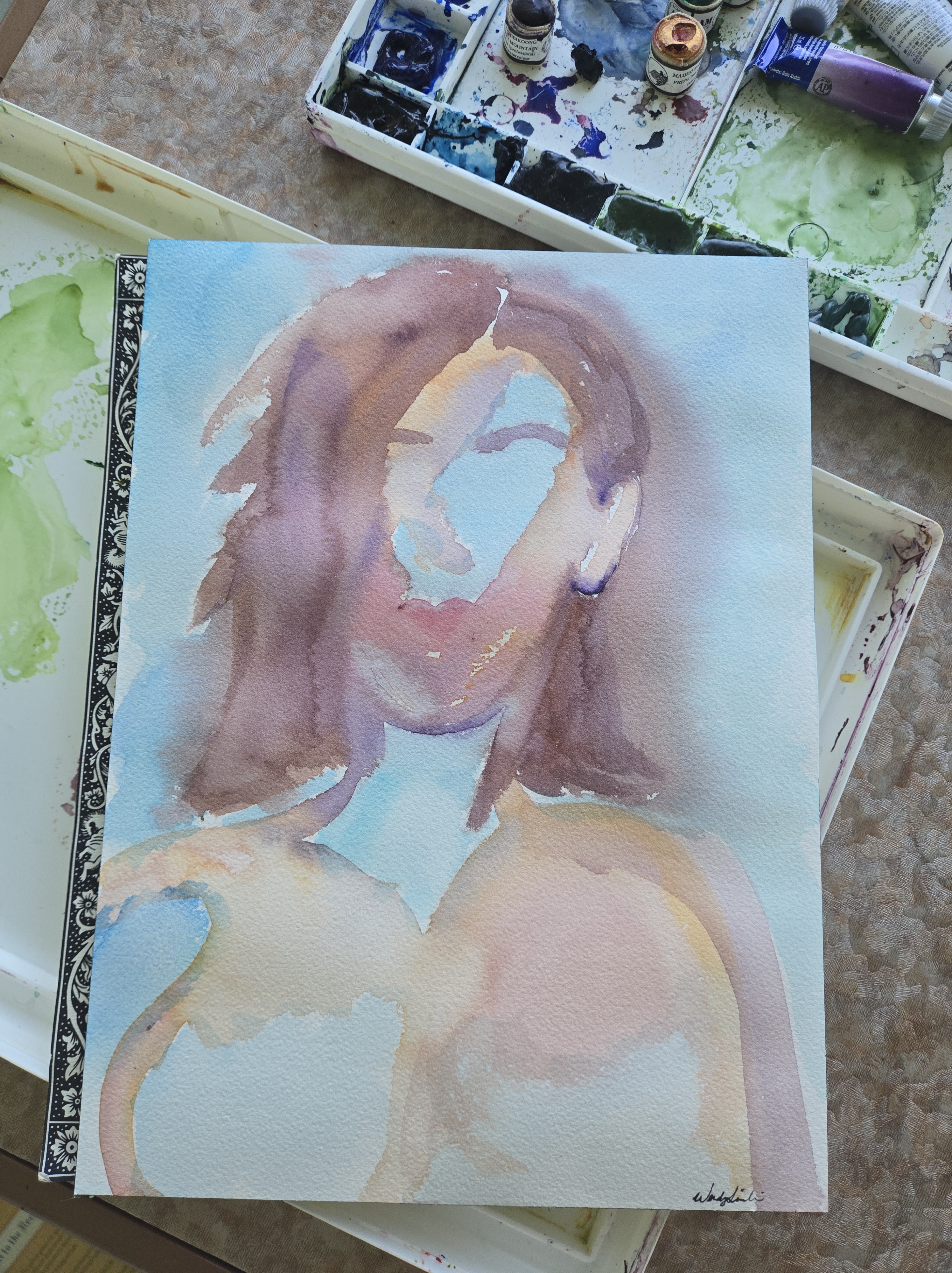
Gesture
Before I noticed expression, I noticed posture.
The body often tells the story first.
Gesture isn’t anatomy.
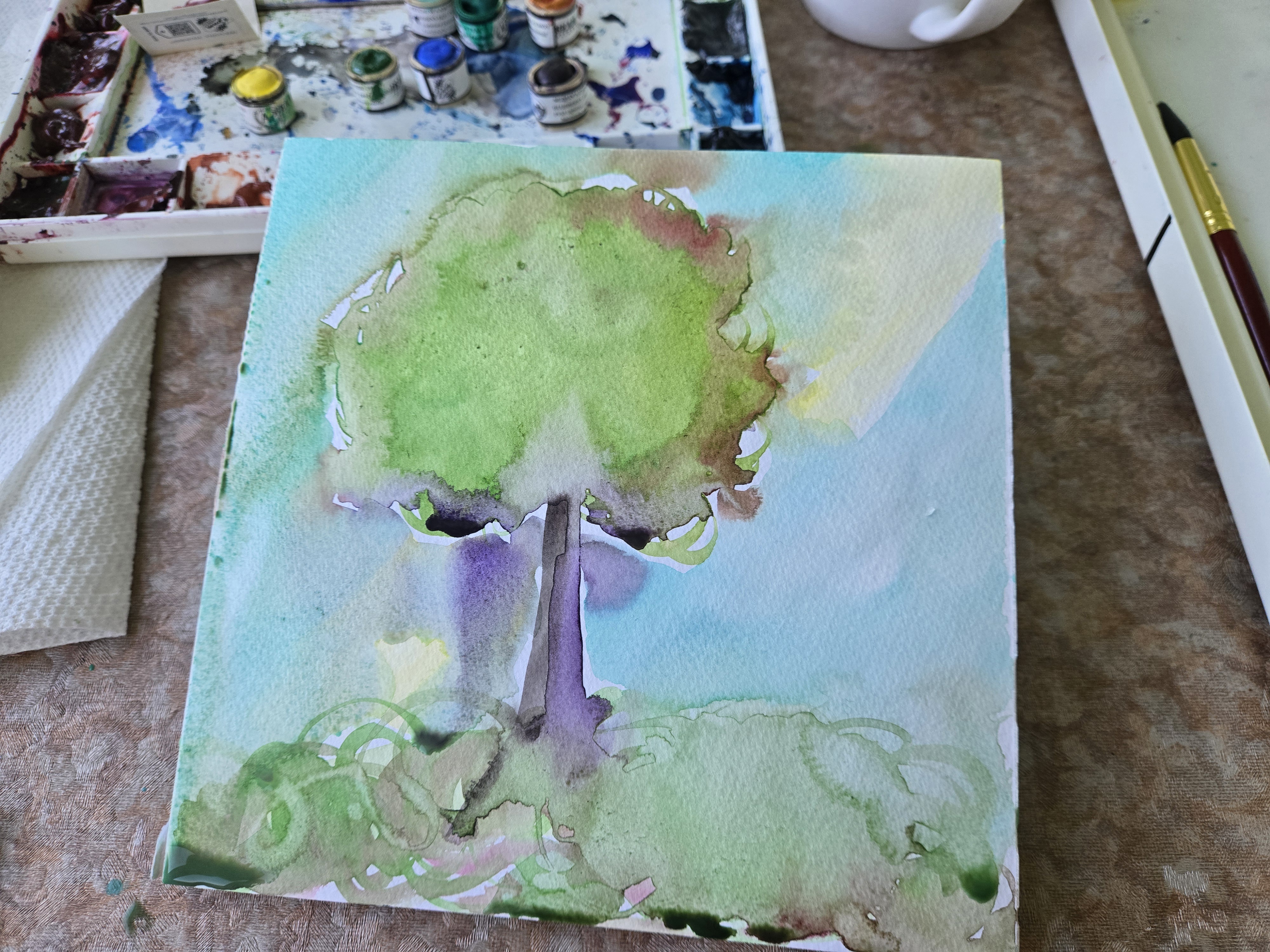
Refusal
Some subjects refuse to perform.
They don’t need to.
Refusal isn’t spectacle.
Ordinary Sight
The ordinary stopped feeling ordinary.
I stopped looking for remarkable subjects.
I started trusting ordinary attention.
Ordinary sight isn’t novelty.
Six Lessons that Emerged
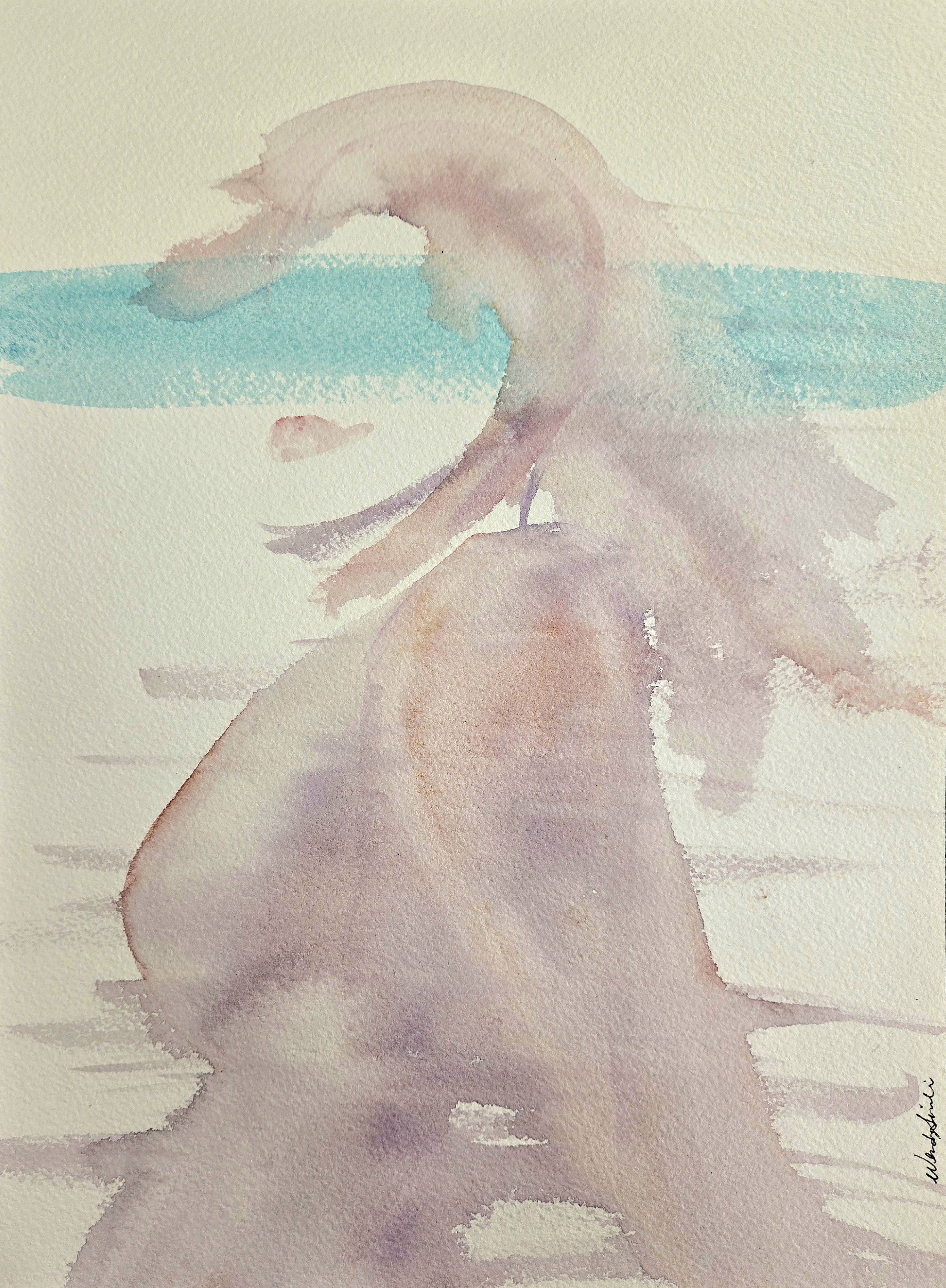
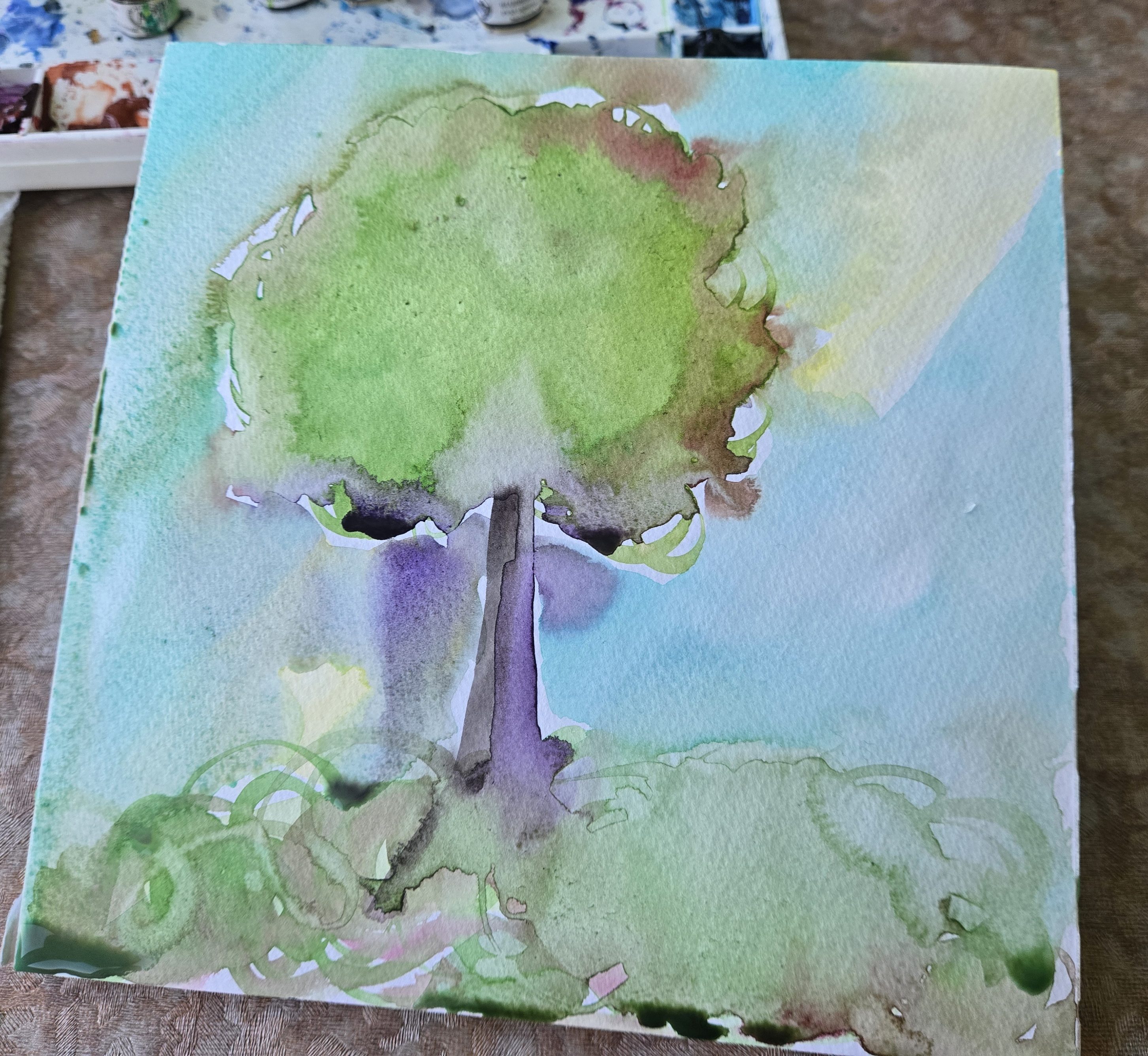
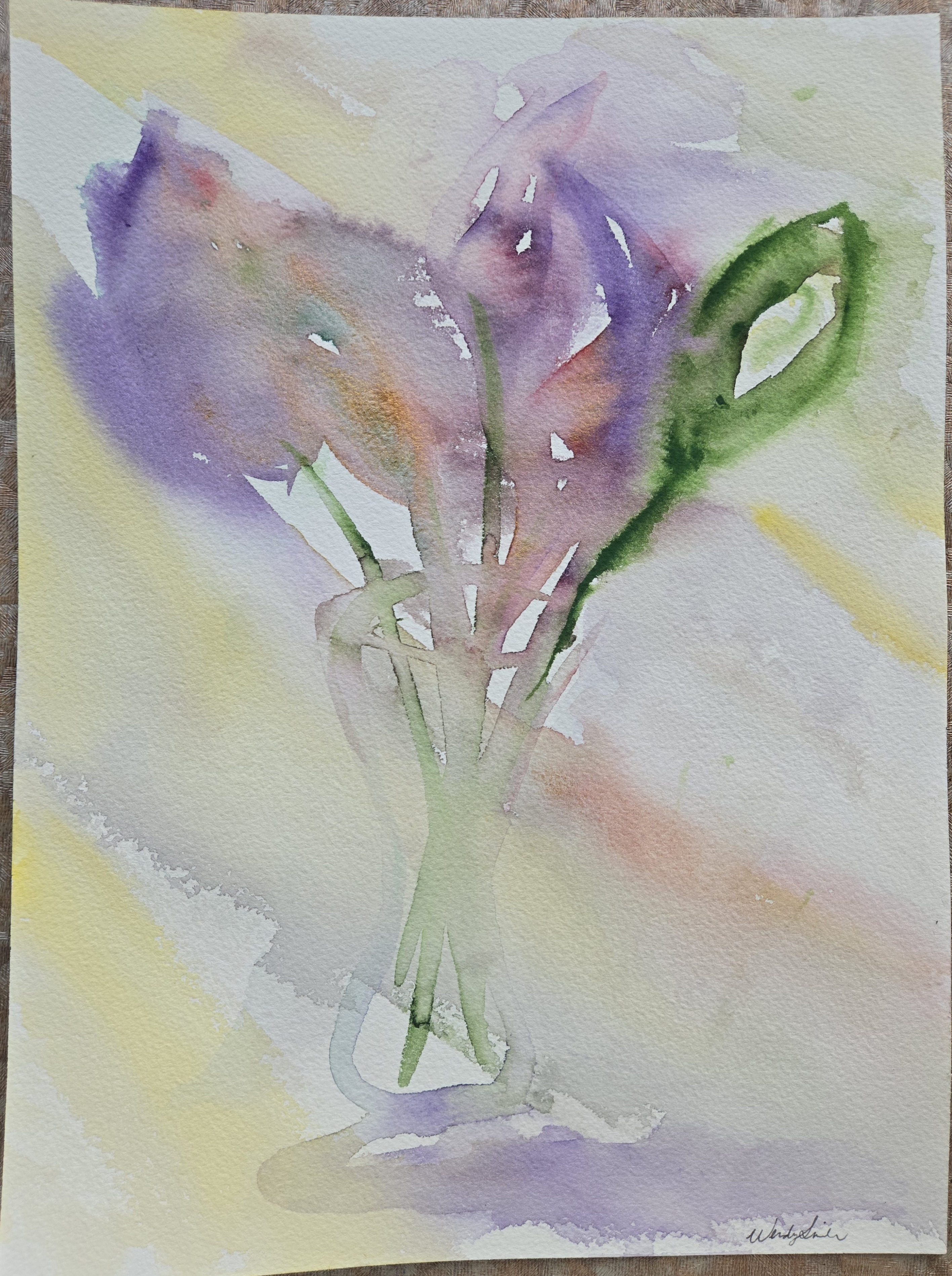
By the end of the week, six studies had emerged.
1. Nineteen Before She Vanishes
Lesson:
A gesture can reveal more than a likeness.
2. The Little Tree
Lesson:
Negative space matters.
3. Ordinary Bouquet
Lesson:
Describe less. Suggest more.
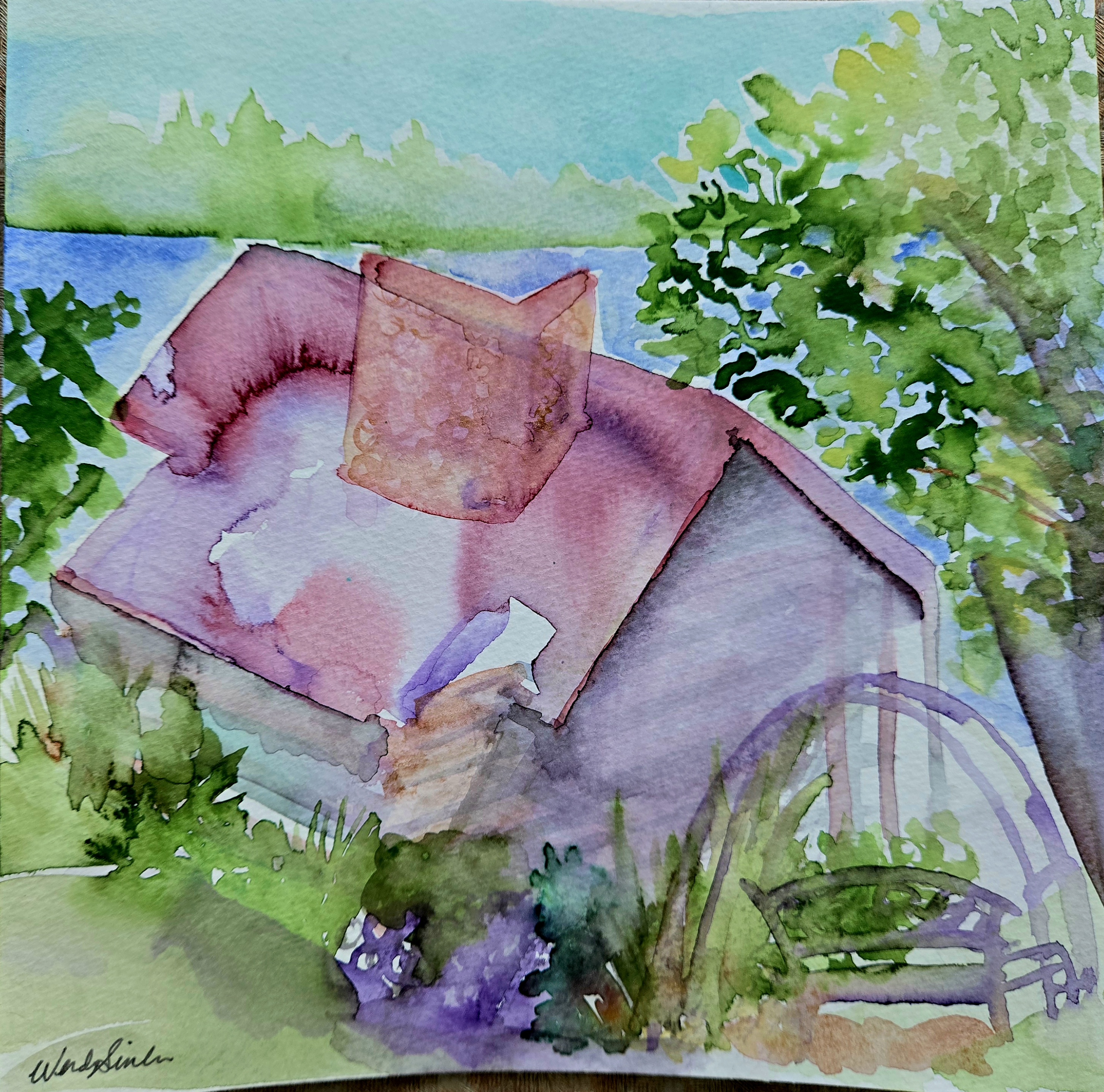
4. The Cottage Roof
Lesson:
Don’t paint the object.
Paint the feeling of shelter.
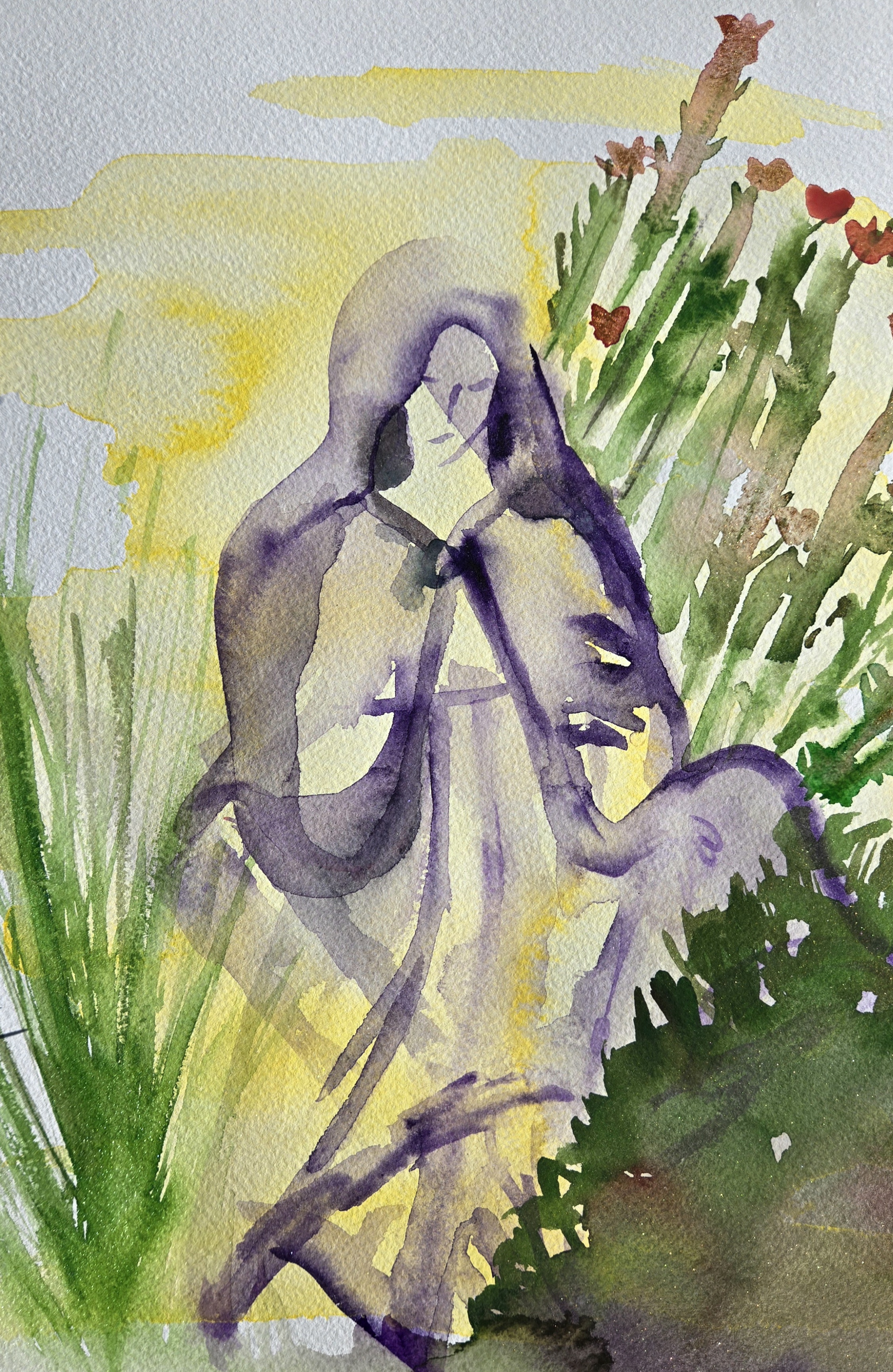
5. Mary in the Garden
Lesson:
Let the viewer complete the figure.
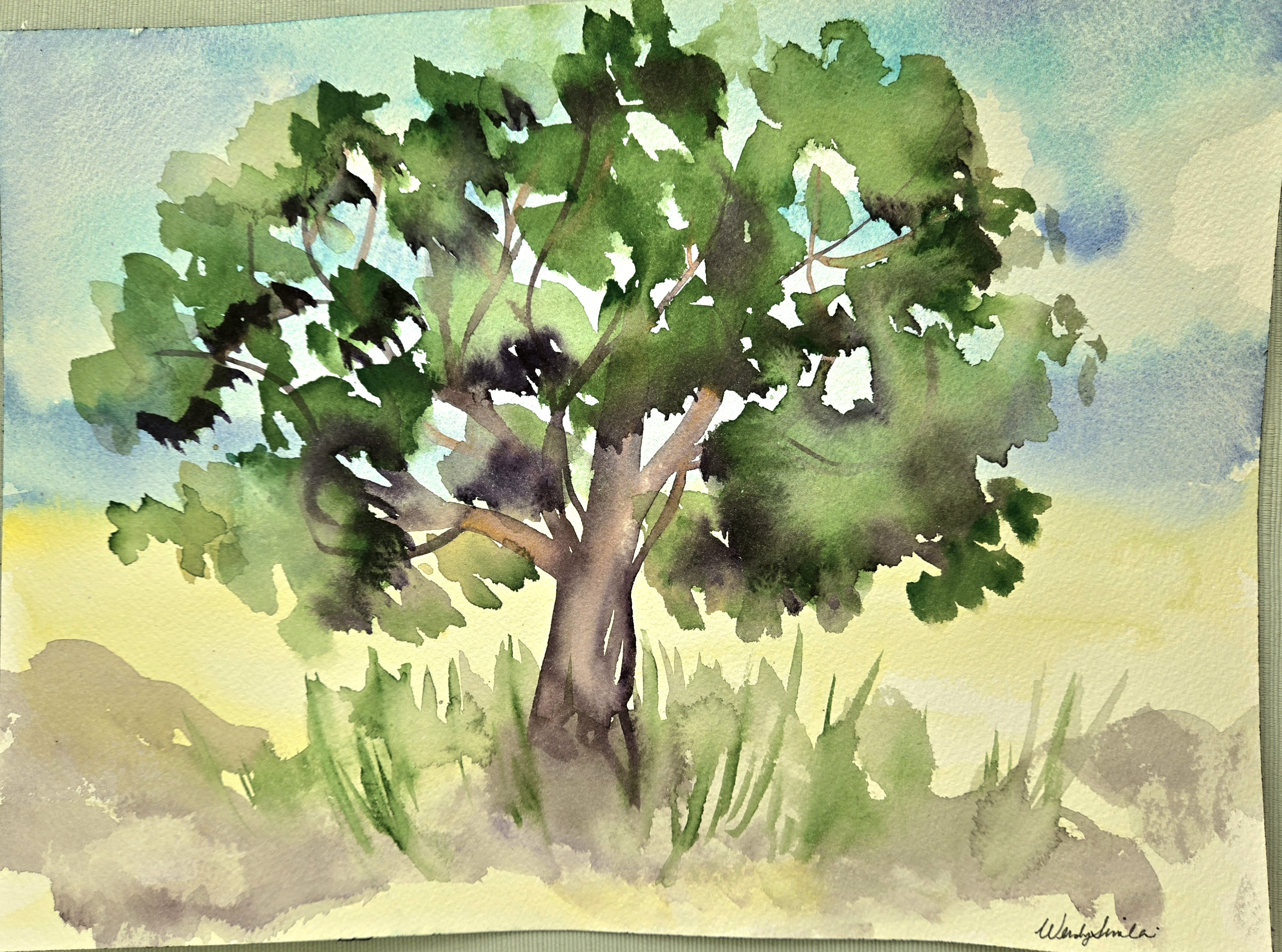
6. The Apple Tree
Lesson:
See the whole before the parts.
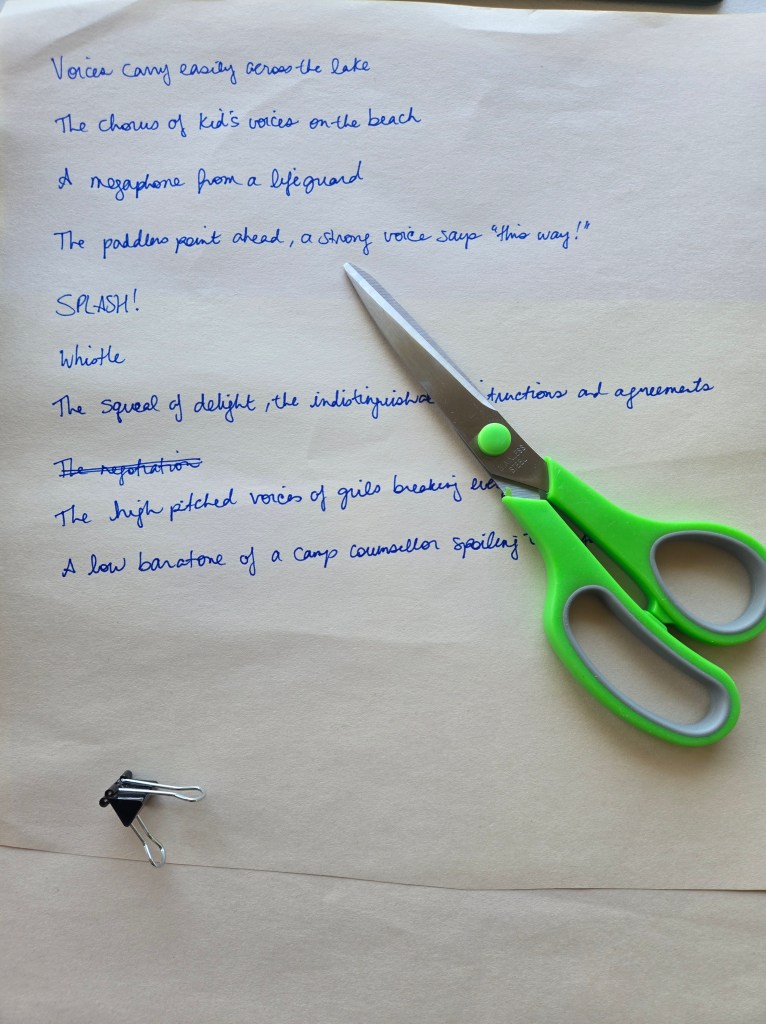
A Poem of Listening
Every poem in the residency began as observation.
This one began by listening.
I wrote down every sound I could hear, cut the page into individual lines, and spent an afternoon moving them around until a rhythm began to emerge.
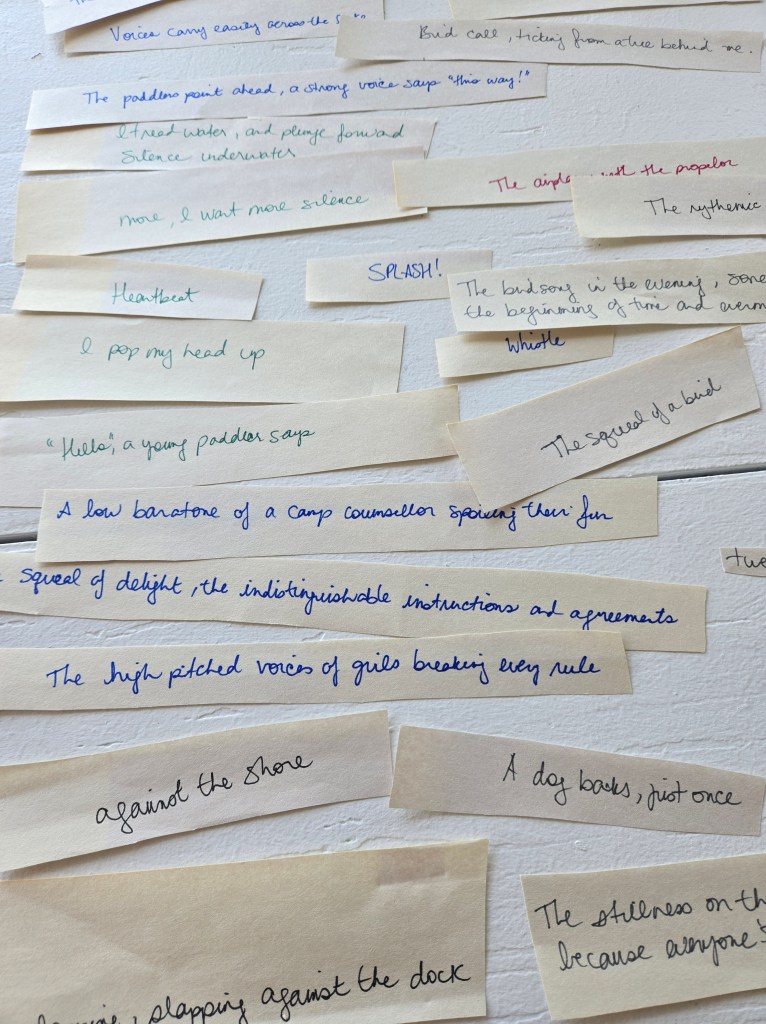
The Sound
Voices carry easily across the lake
The chorus of kid’s voices on the beach
The negotiation of who’s going first
SPLASH!
~ whistle
A megaphone from the life guard
The rhythmic waves
The squeal of a bird
~ tweet
Waves lapping, slapping against the dock
against the shore
Motorboat engines revving
One-handed water-skiers shout:
~ Whooooohoooooo!
The waves begin to crash against
each other as one goes in
and one goes out
The riding mower
The weed whacker
The lawn chores to get out of cleaning up inside
The airplane with the propellor
The knock of a paddle against
the side of the boat
A strong voice says; this way!
The squeal of delight
The indistinguishable instructions
and agreements
The high-pitched voices of girls
breaking every rule
A low baritone of a camp counsellor
spoiling their fun
A bird swoops down and utters
a tiny squeak
Birds call, ticking from a tree behind me
I tread water
and plunge forward
silence underwater
more
I want more silence
heartbeat
I pop my head up
“Hello”, a young paddler says
The stillness on the lake at five o’clock
because everyone’s gone home for supper
A dog barks, just once
The evening birdsong, something
from the beginning of time
and evermore
~wendy sinclair
Learning the Jesuit Way
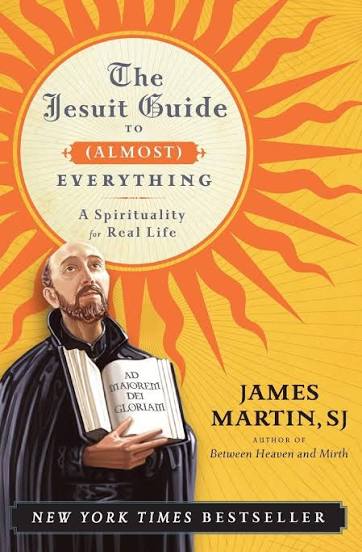
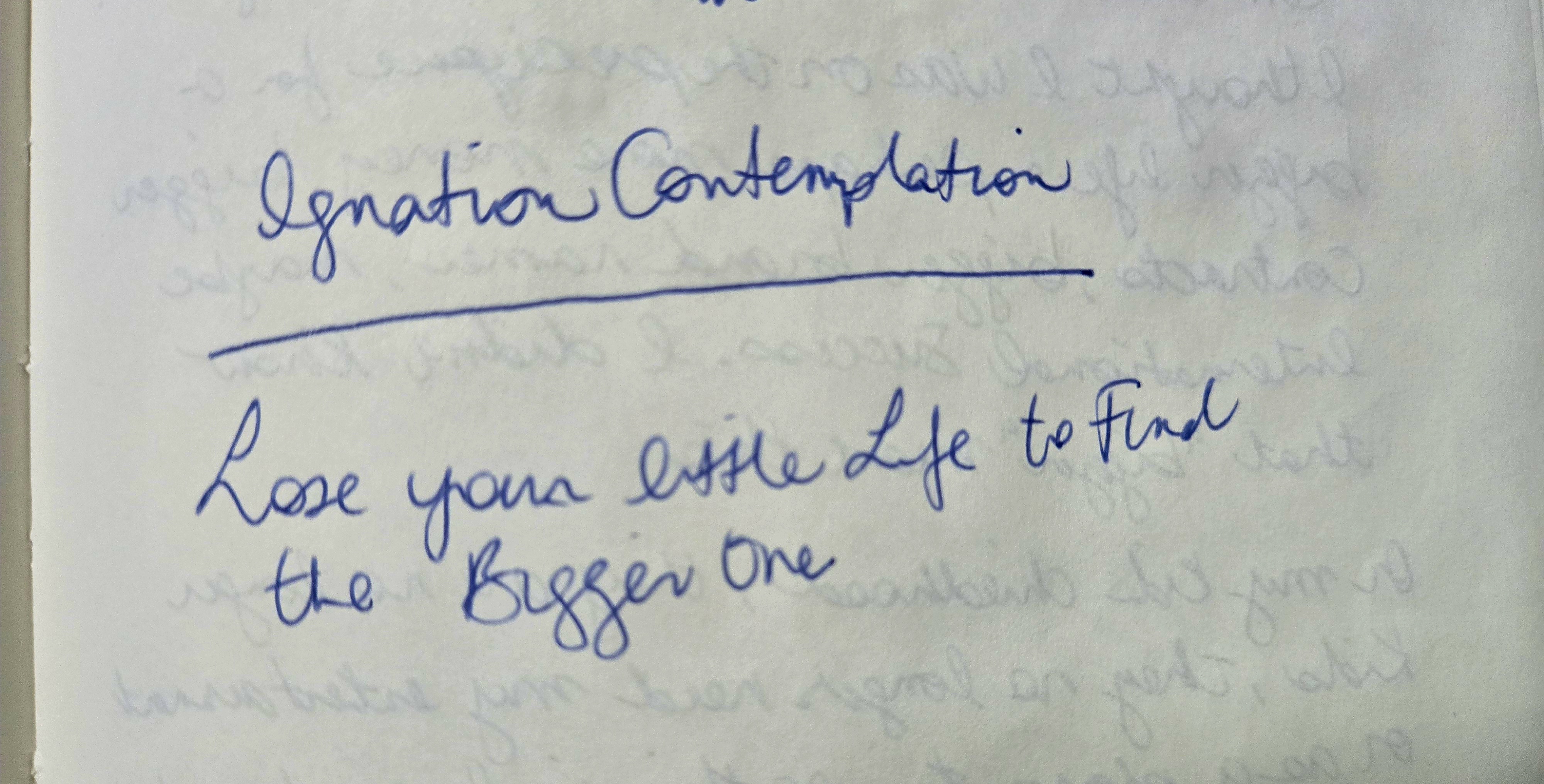
Reading The Jesuit Guide to (Almost) Everything introduced me to Ignatian spirituality in a way I could finally inhabit.
Rather than searching for certainty, Ignatian spirituality teaches discernment.
Rather than asking, What should I do?
It asks,
What is actually true?
What leads toward greater freedom?
What leads away from it?
One of the biggest shifts was realizing that discernment isn’t about finding certainty. It’s about becoming attentive enough to recognize what leads toward life and what leads away from it.
A Larger Mind
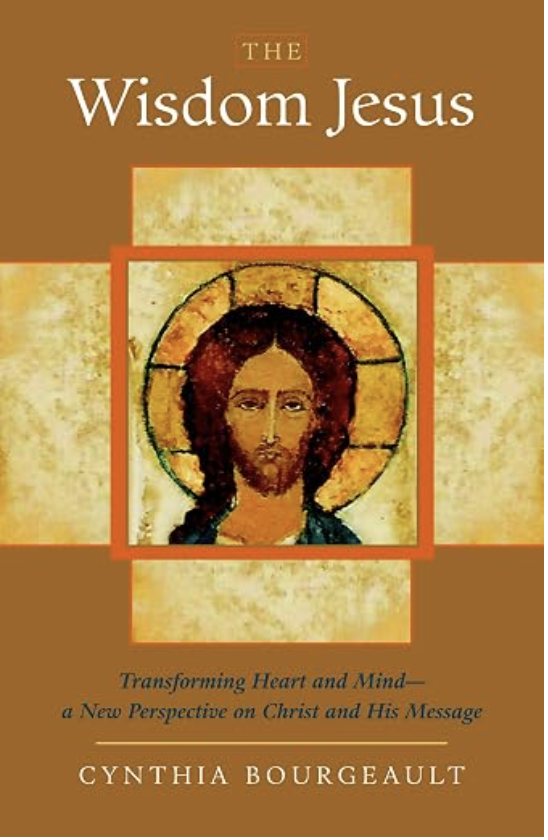
The Wisdom Jesus
The next book didn’t simply add ideas, it reorganized them.
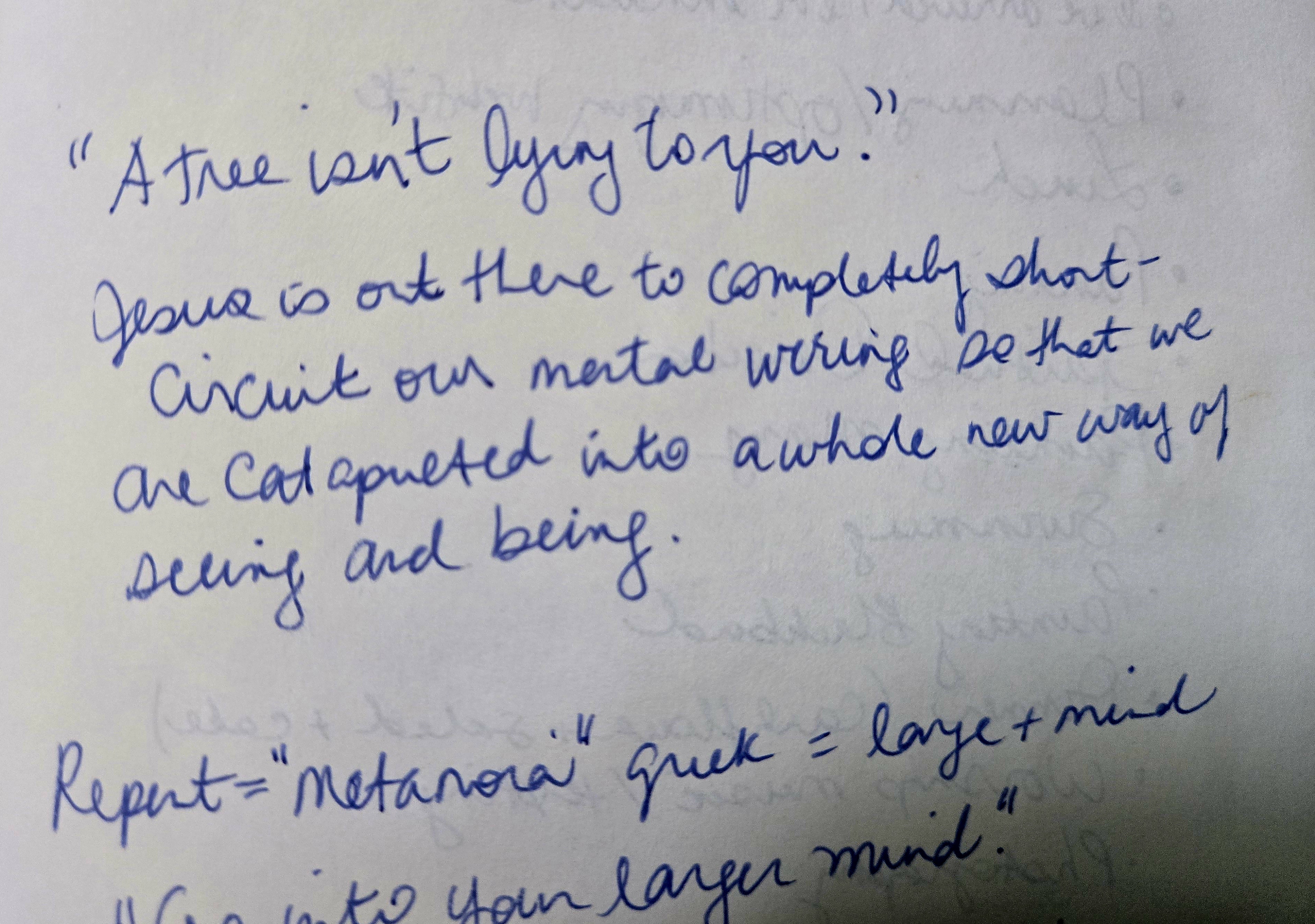
One word kept returning:
Metanoia.
Often translated as repentance, the Greek word means something much larger: a change of mind, a larger mind, a transformed way of seeing.
I began to realize that the residency wasn’t simply changing my behaviour.
It was changing perception itself.
Suddenly many of the themes of the residency started converging.
The body knew first.
A tree isn’t lying to you.
Describe less. Suggest more.
The ordinary is enough.
They were all pointing toward the same thing.
Not learning new information.
Learning to see.
Nothing Needed Painting
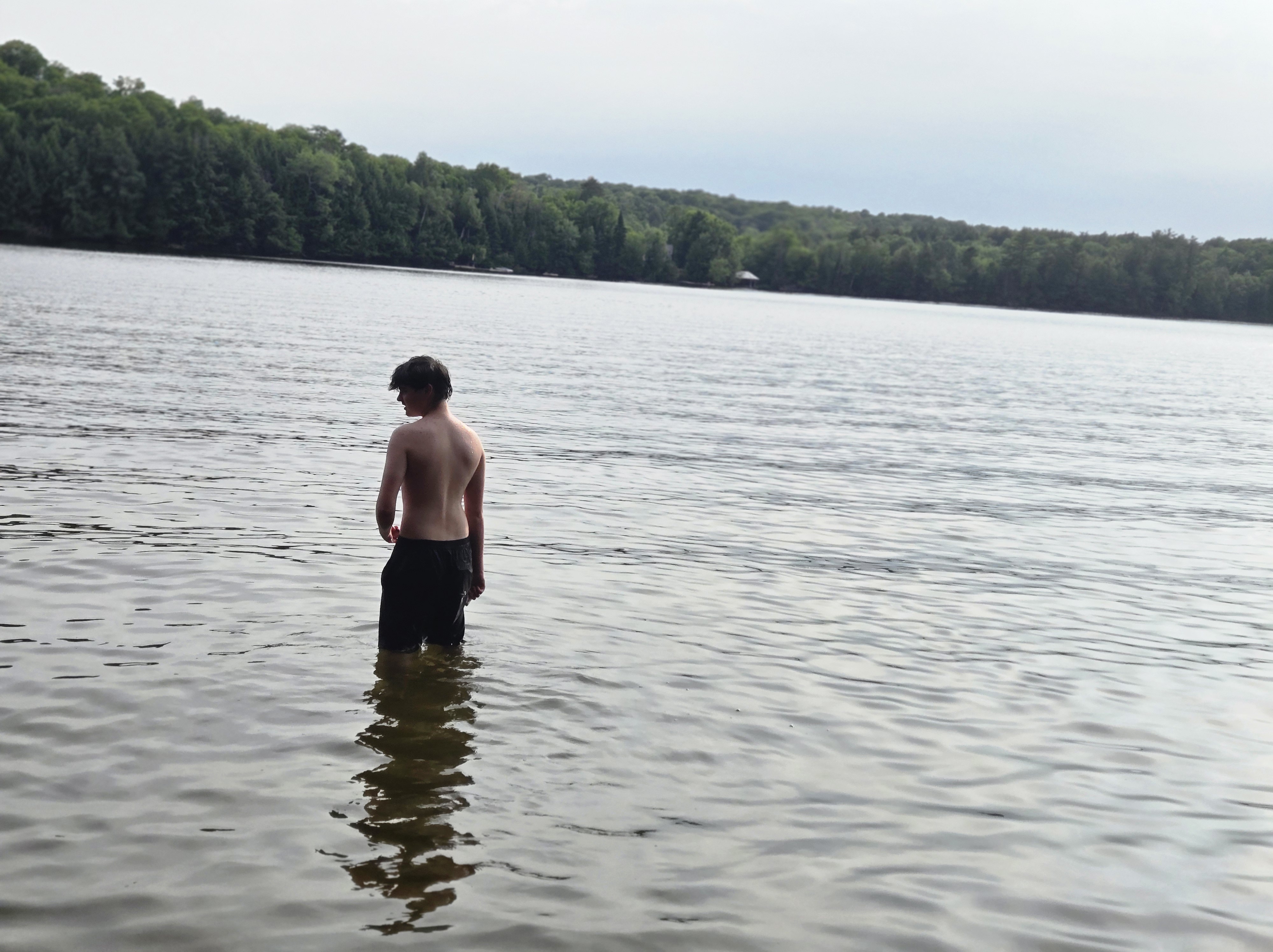
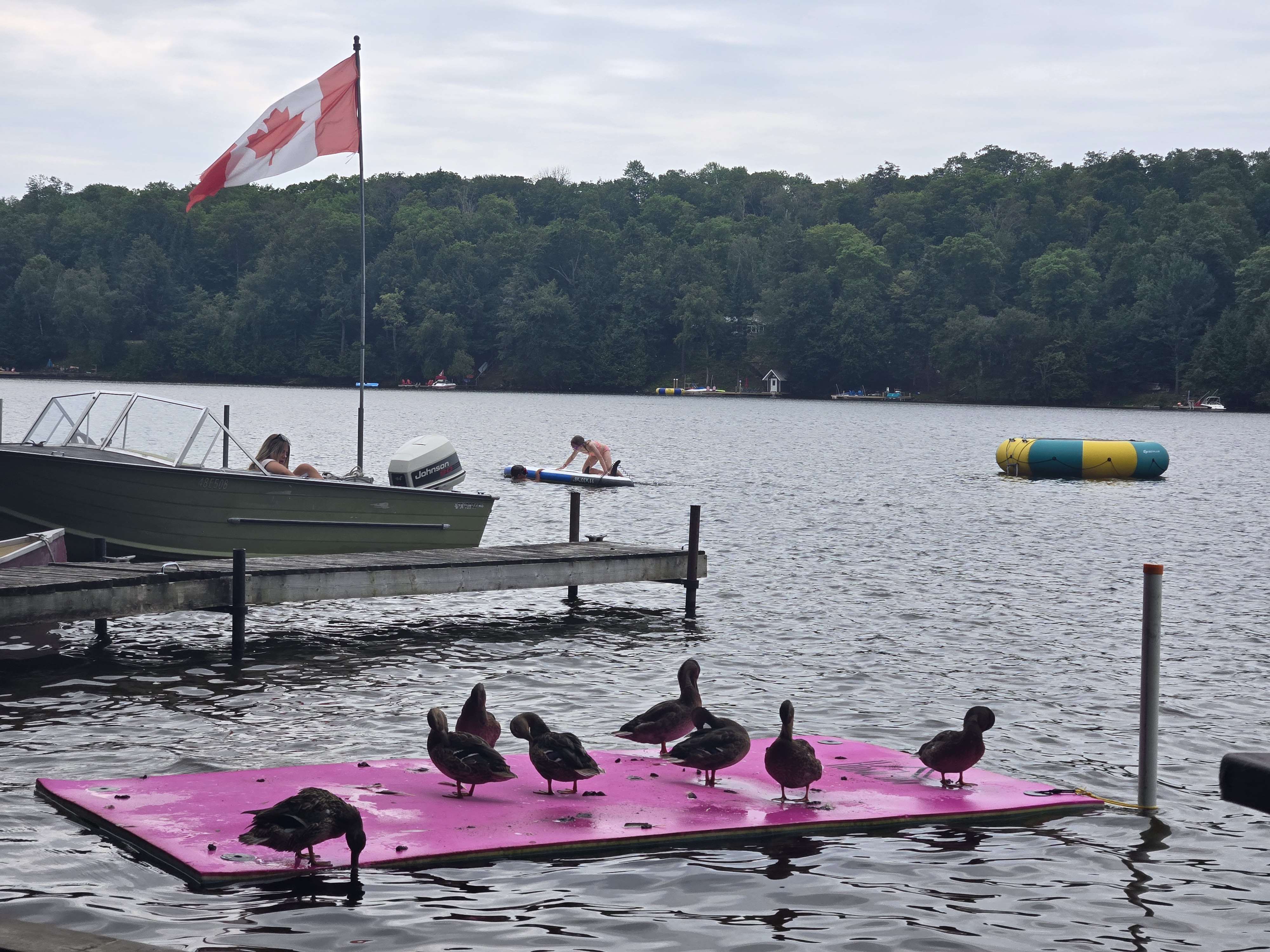
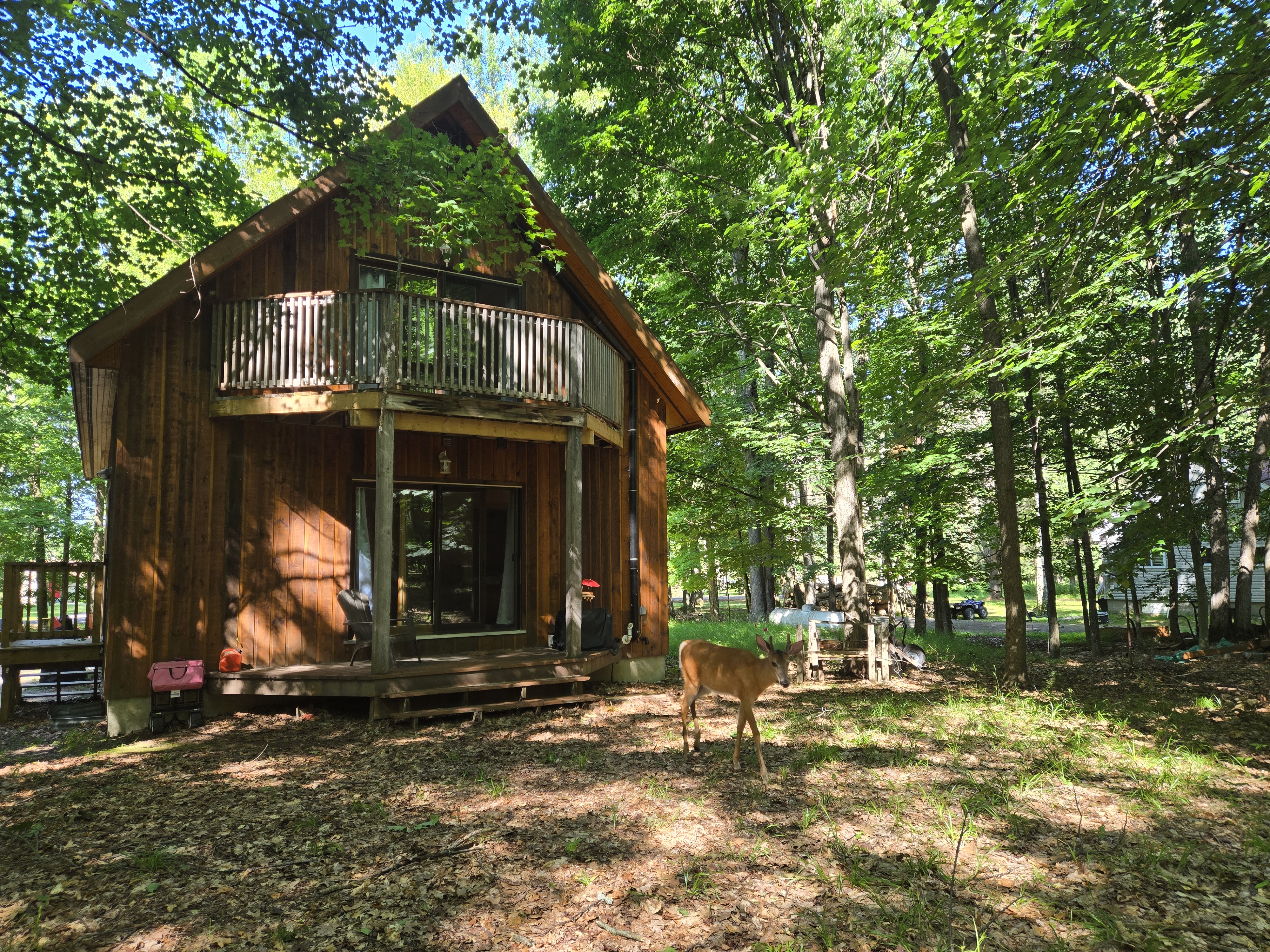
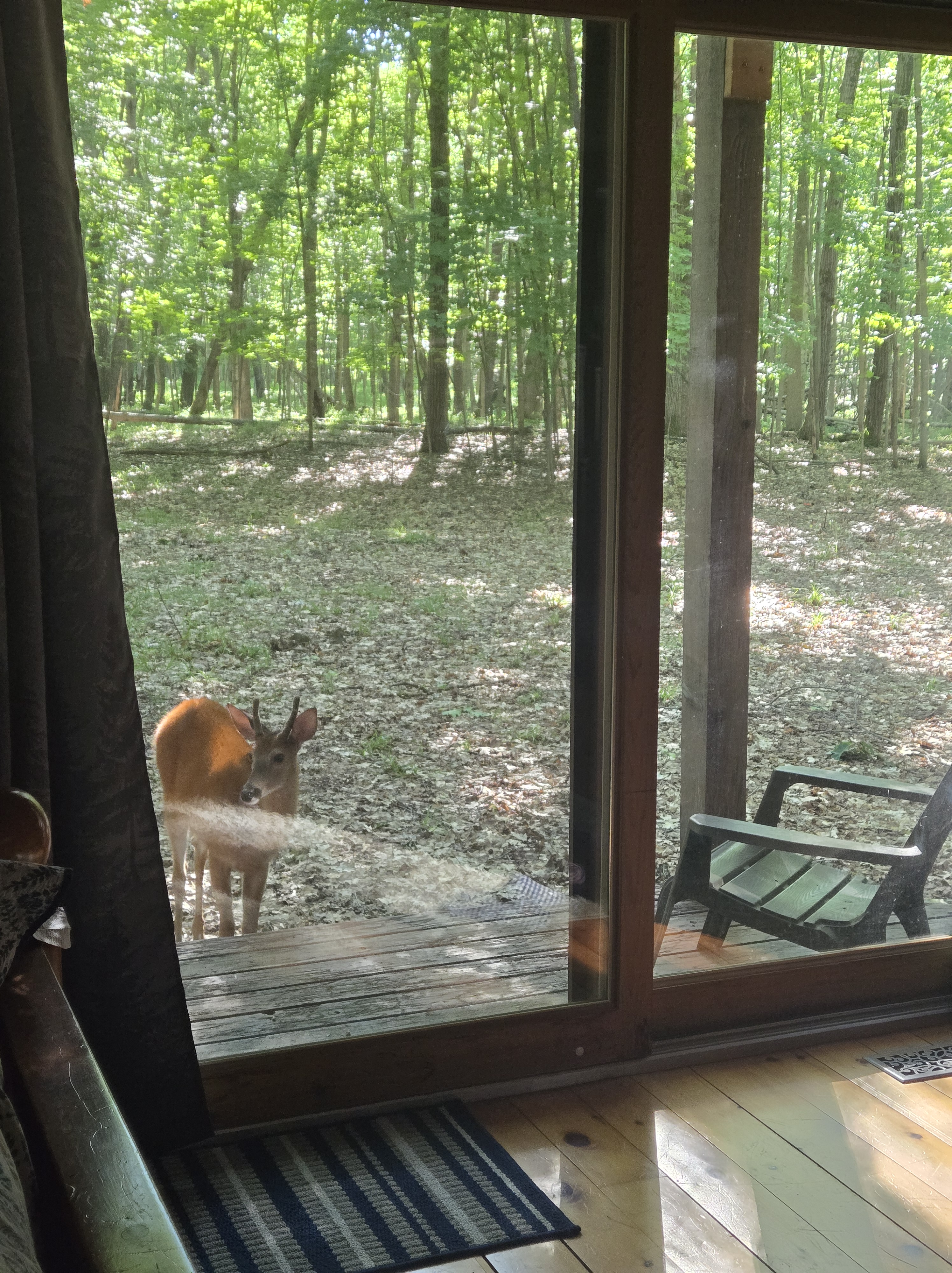
A full week in Muskoka.
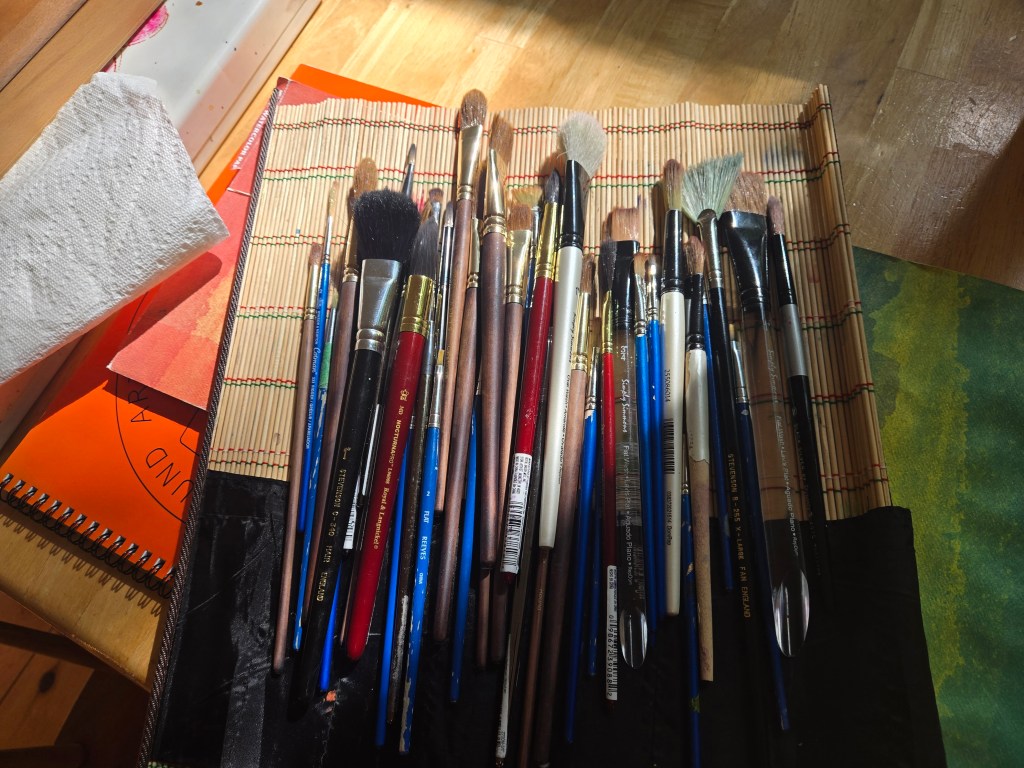
I brought my paints, brushes, and paper, expecting to continue practicing.
Instead, the week became about something else.
The paints stayed in their case.
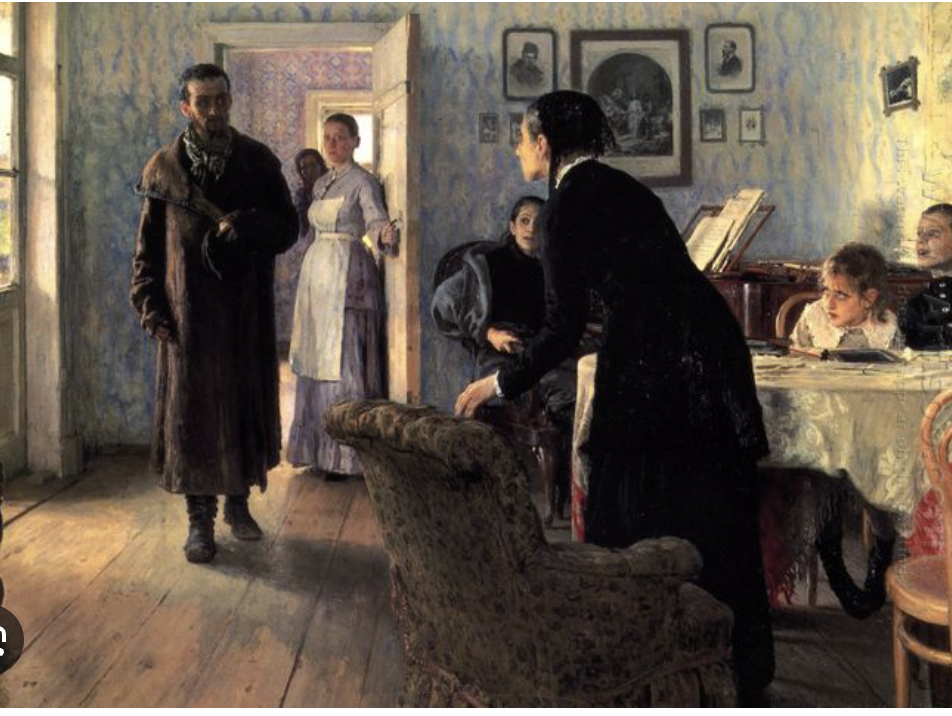
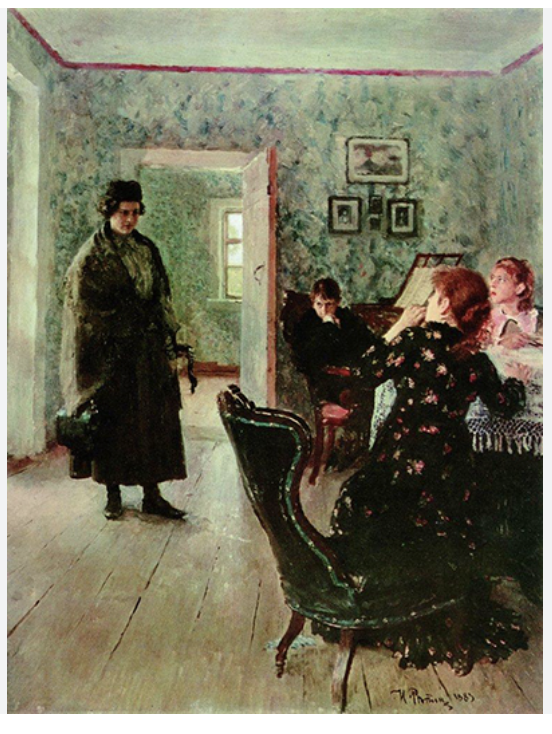
Artist: Ilya Repin
I was trying to solve a compositional problem in my own work, and my research led me to Russian Realism.
My problem:
How do you paint “obedience” without painting religion?
More specifically….
What does it look like when the ordinary flow of the world is interrupted because someone has recognized a greater good?
Just to be clear, Ilya Repin doesn’t do this. Repin doesn’t paint obedience. But he does something well that I could steal in order to solve my own painting problem.
I wrote the thesis for a future painting in the Obedience chapter:
What does it look like when the ordinary flow of the world is interrupted because someone has recognized a greater good?
I closed my eyes and tried to imagine that thesis embodied rather than explained. Not an idea, but a scene.
The obvious starting point was Matthew 4:20:
“At once they left their nets and followed Him.”
This is the moment Simon Peter and Andrew immediately leave their work when Jesus calls them to become His disciples.
My instinct was to translate that into a contemporary setting. A woman leaving her apartment for prayer. Construction workers stopping mid-task. Commuters turning. People in a canoe looking toward something just outside the frame.
Each image was trying to answer the same question:
What does obedience look like now?
I knew without actually painting them that none of them would work.
They all depended on the viewer knowing what the people were reacting to. Without that information, the paintings became puzzles. With it, they became cliché illustrations.
Then I spent time with Ilya Repin.
What struck me wasn’t his realism or his crowds. It was something much more fundamental.
He rarely explains the event itself.
He paints what the event does to the room.
That changed the problem I was trying to solve.
I no longer needed to paint the call.
I needed to paint the world after someone had already answered it.
What problem is Repin solving?
How to paint an event by showing what it does to everyone else.
Not the event itself.
The reorganization it creates.
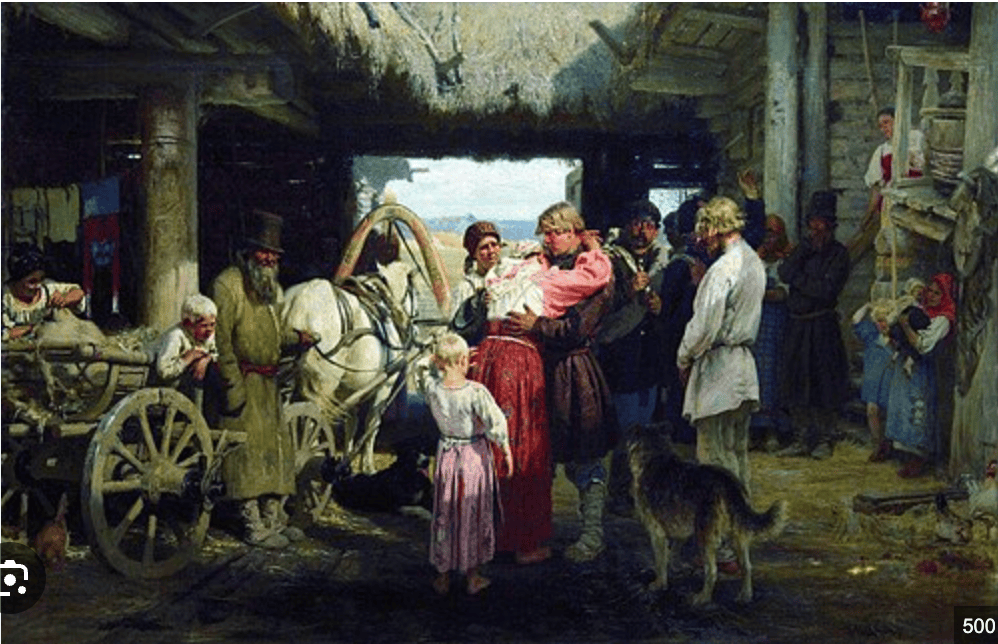
What makes Ilya Repin work, work?
- Different bodies respond differently.
- The interruption spreads through the room.
- The viewer enters before understanding.
- The emotional centre is distributed rather than isolated.
- The room reorganizes around one event.
- He leaves our questions unanswered and it doesn’t feel frustrating.
- If you removed one person from the painting, would the scene still hold? The answer is yes.
Three stealable answers
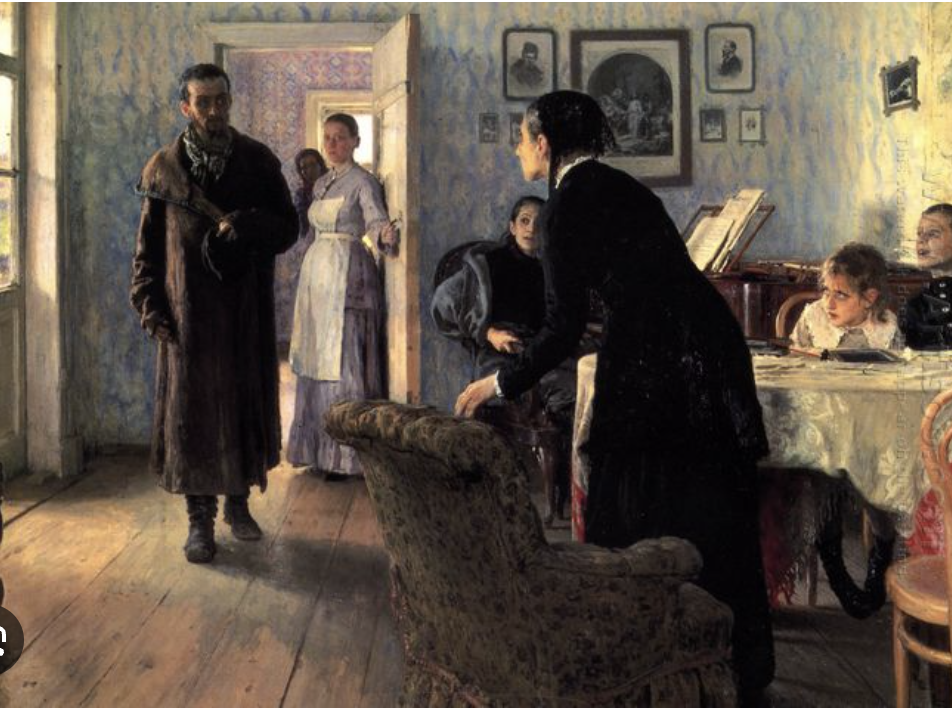
Rule 1
Paint consequences, not causes.
(The arrival matters less than what it does to the room.)
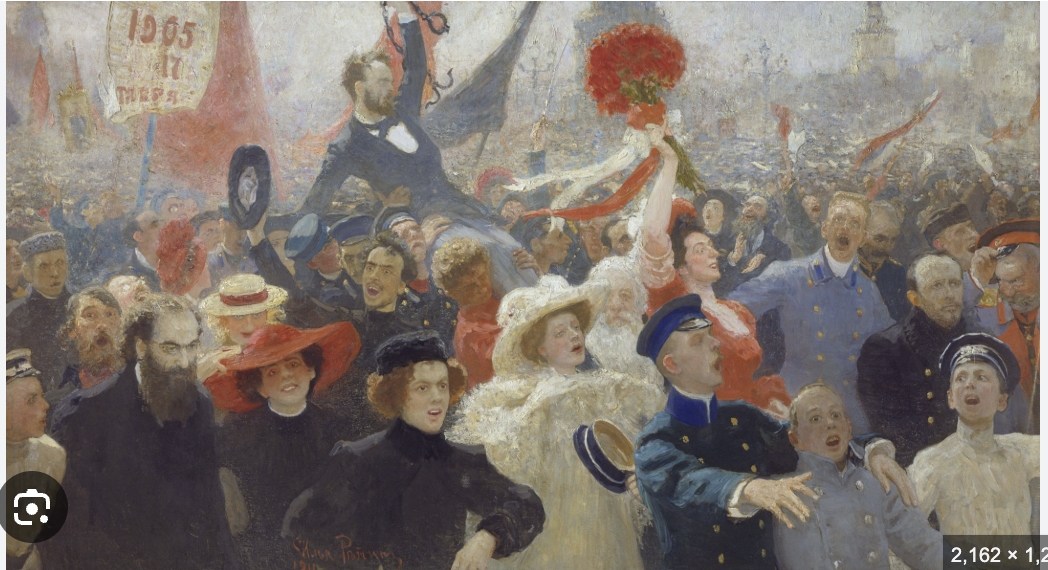
Rule 2
Let different bodies carry different relationships to the same event.
(Meaning doesn’t come from identical reactions. It comes from different consequences.)
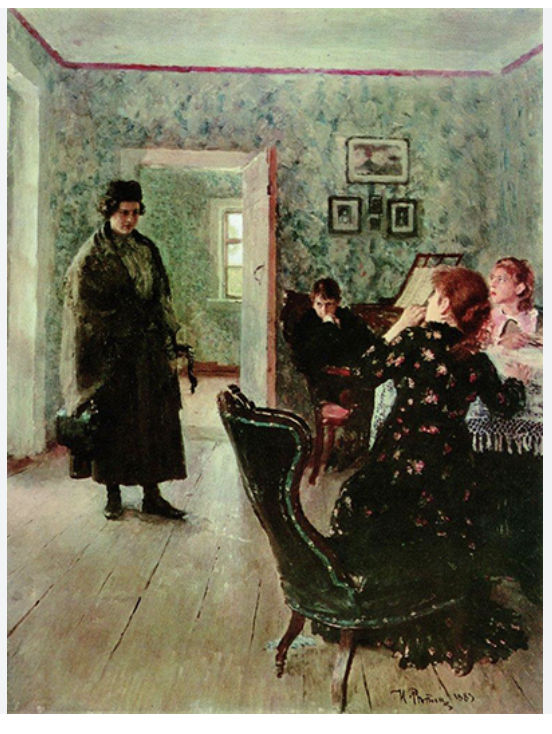
Rule 3
Withhold the explanation.
(Invite the viewer into the interruption before explaining it.)
August 2026
The discipline behind the painting.
Port Hope, Ontario
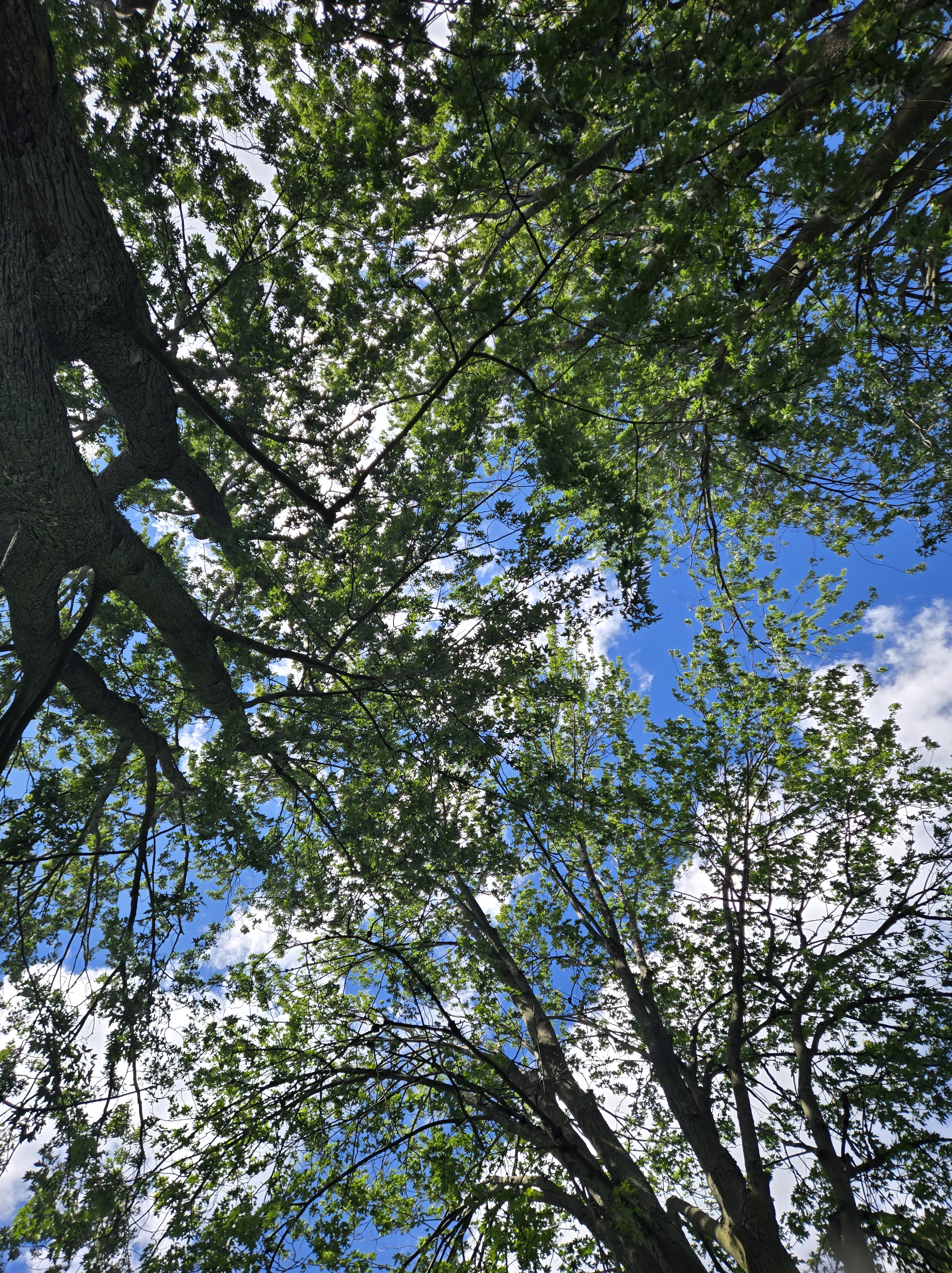
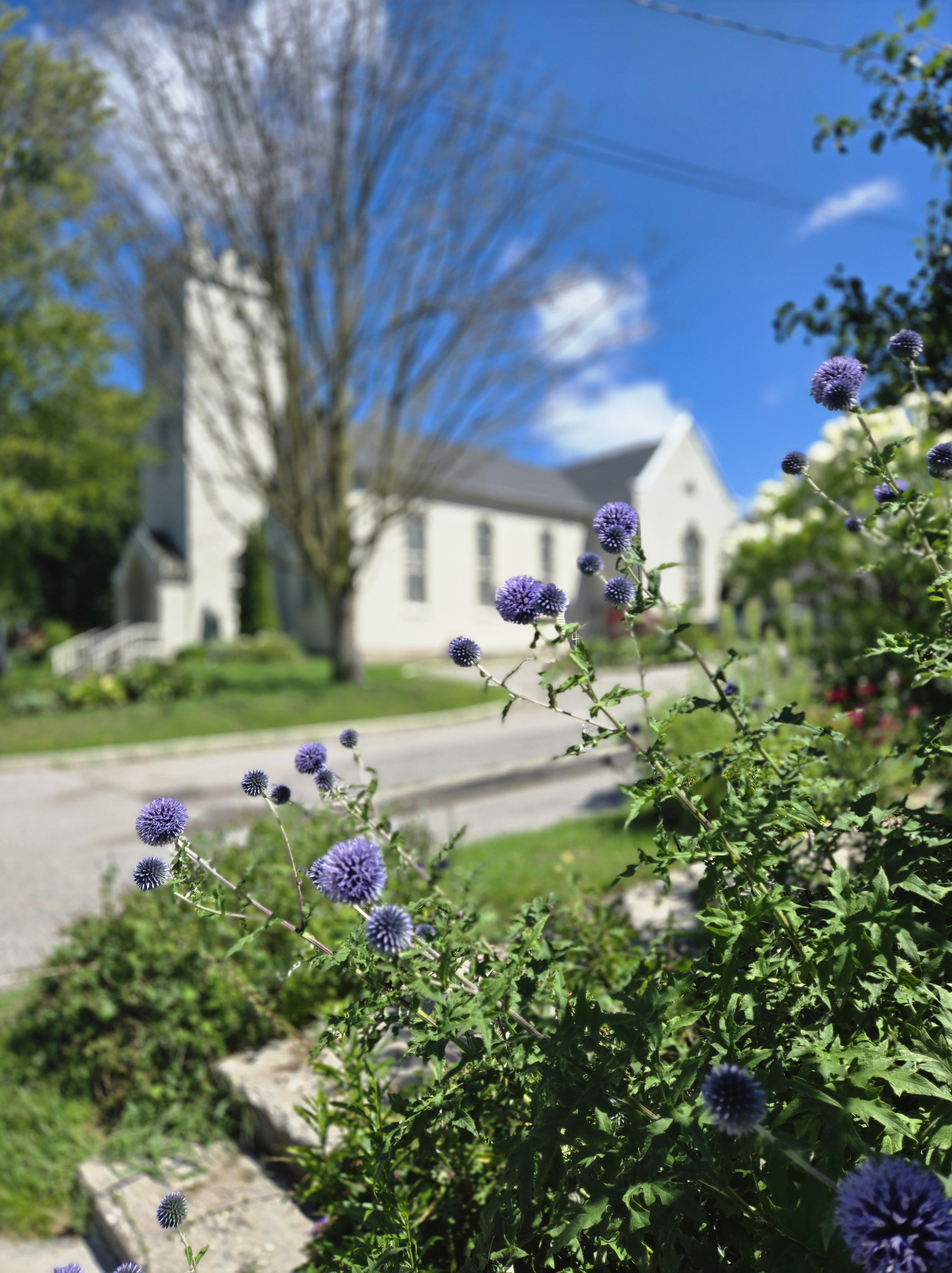
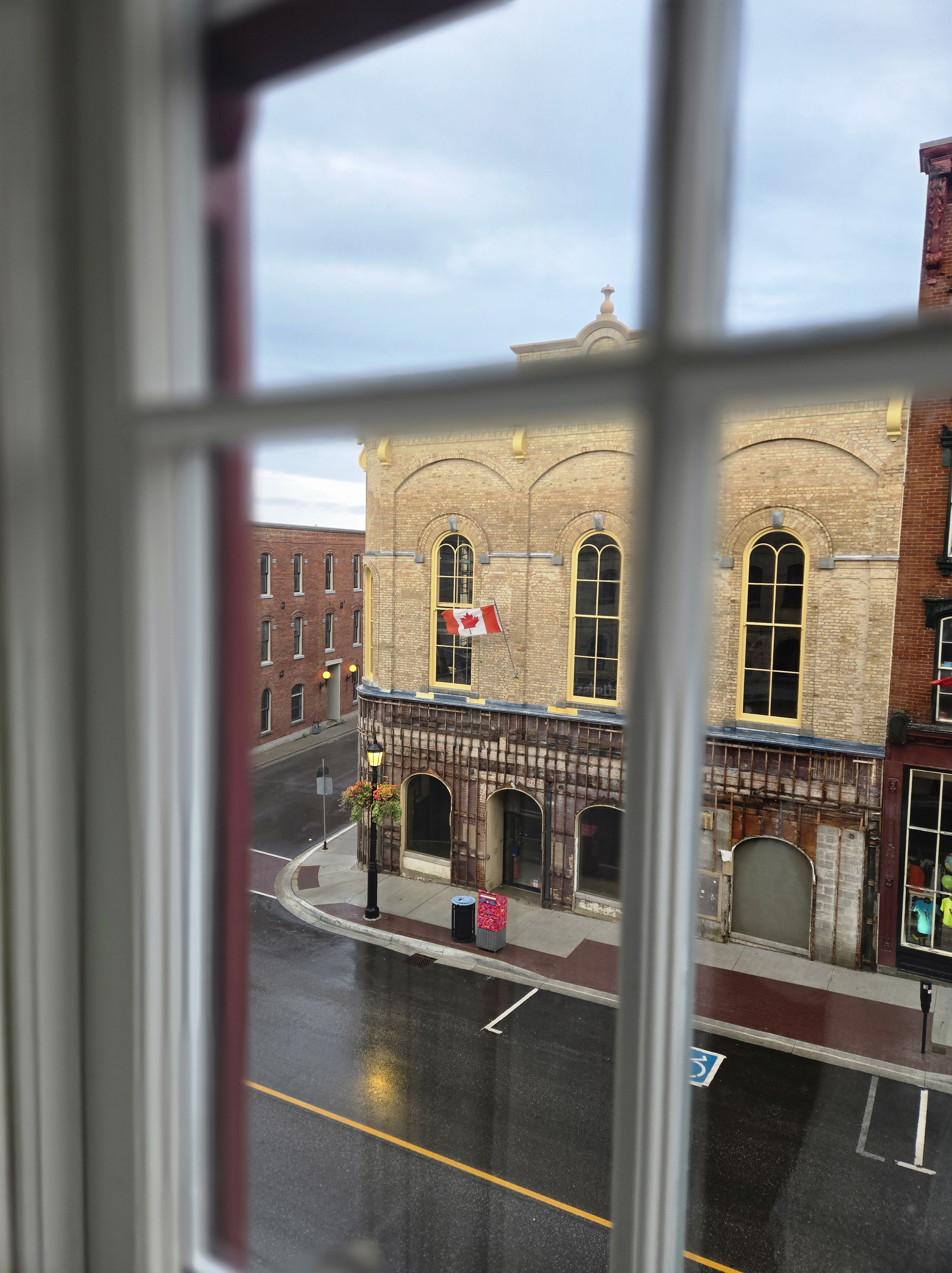
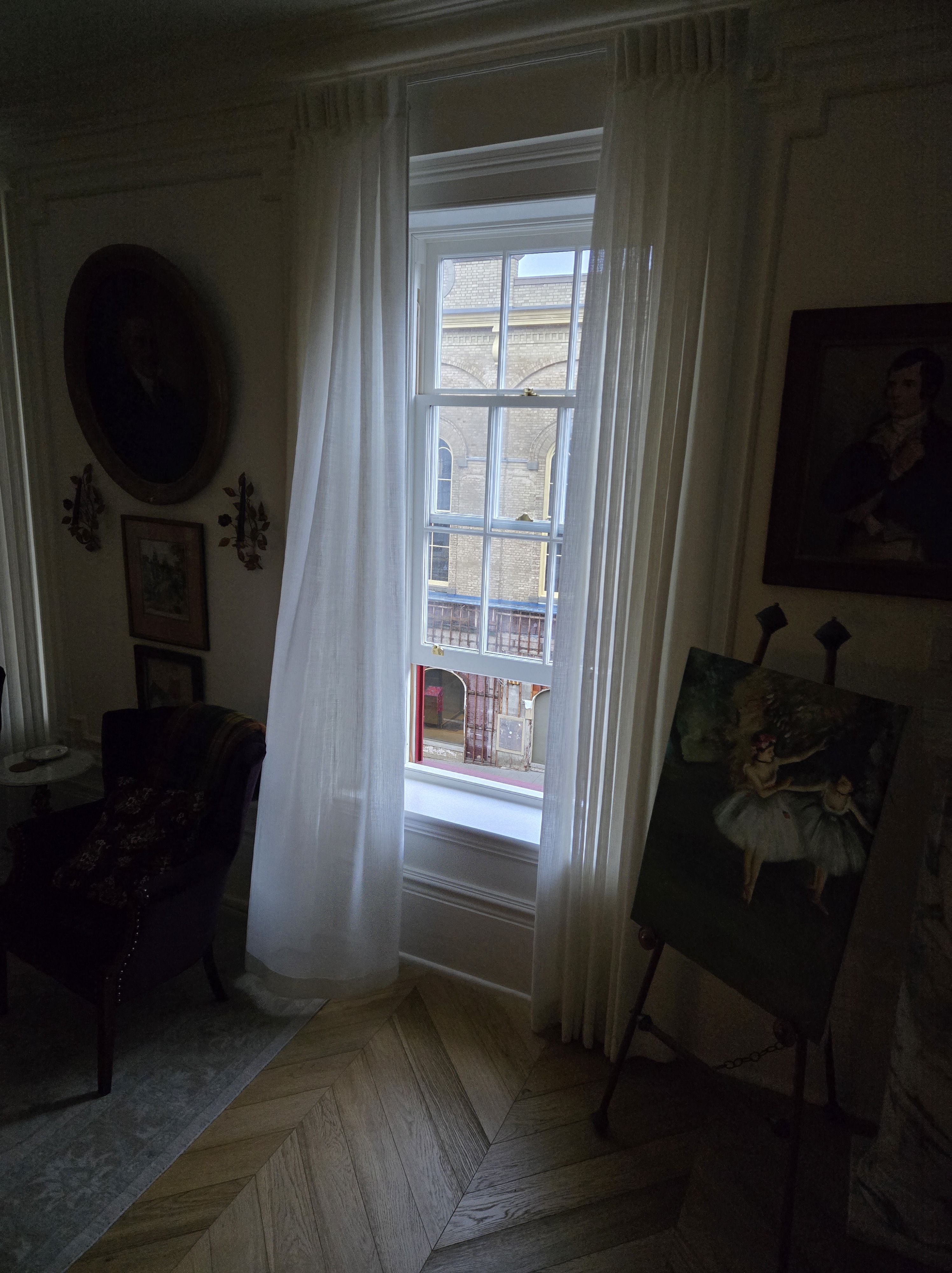
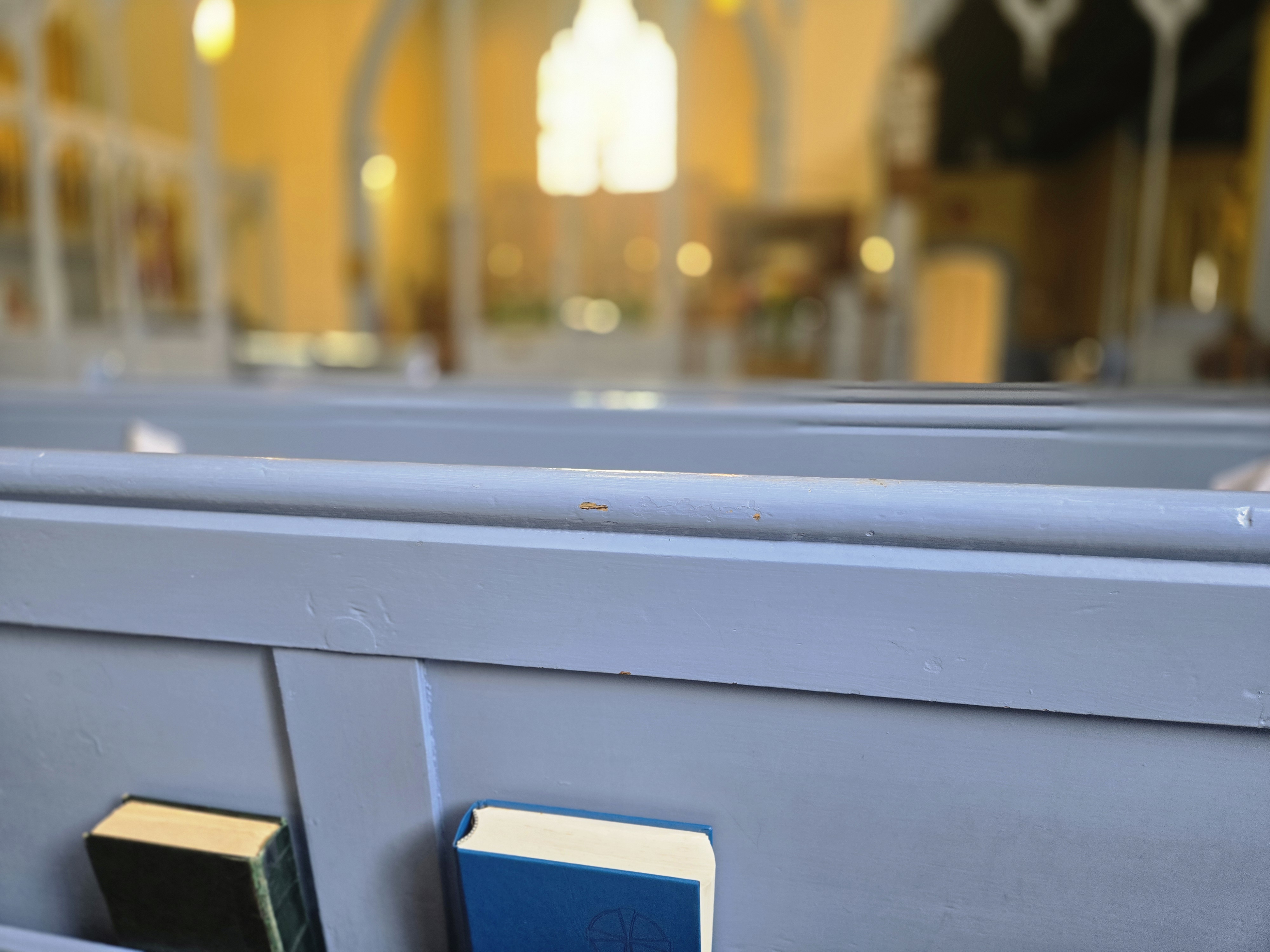
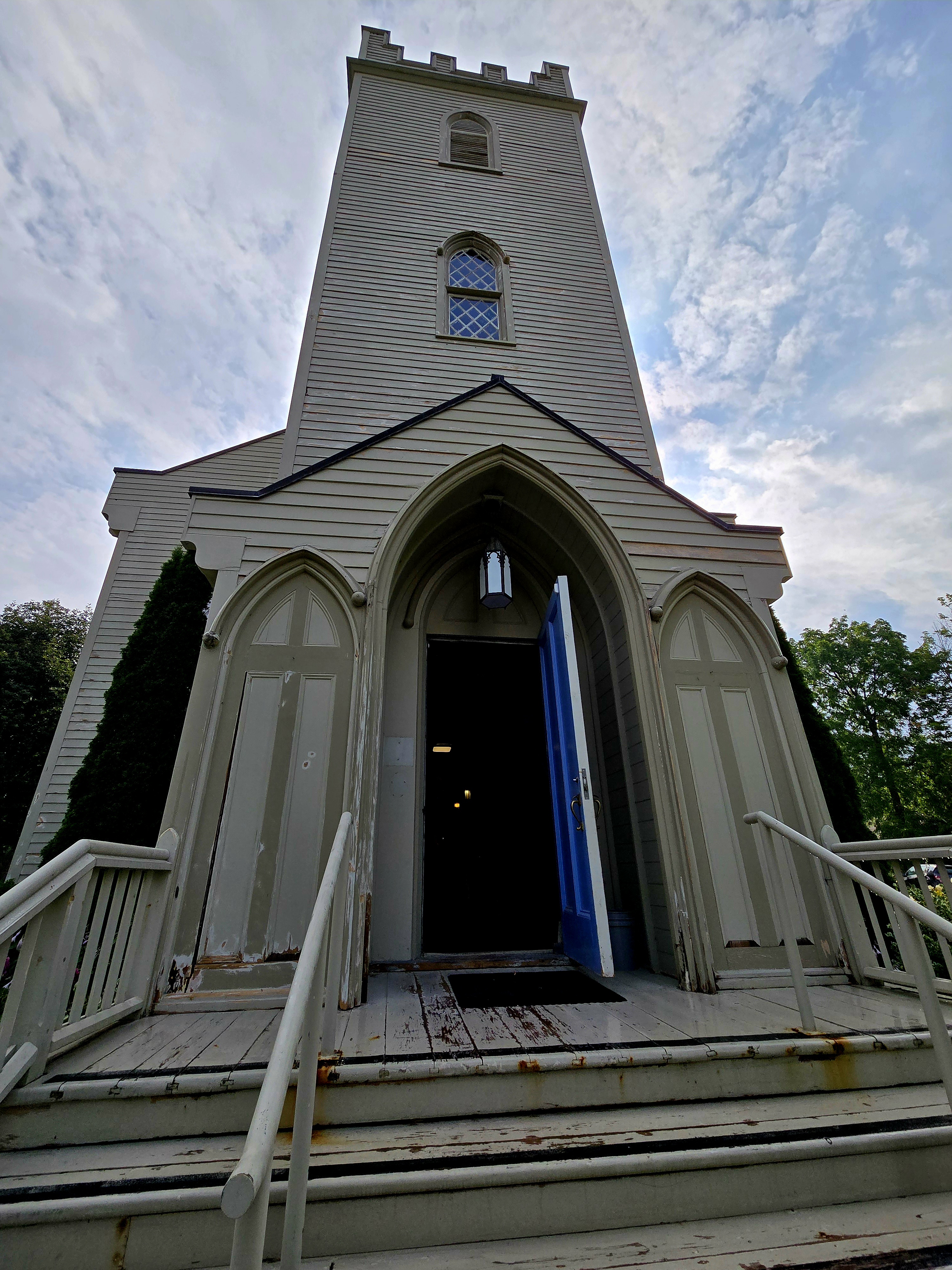
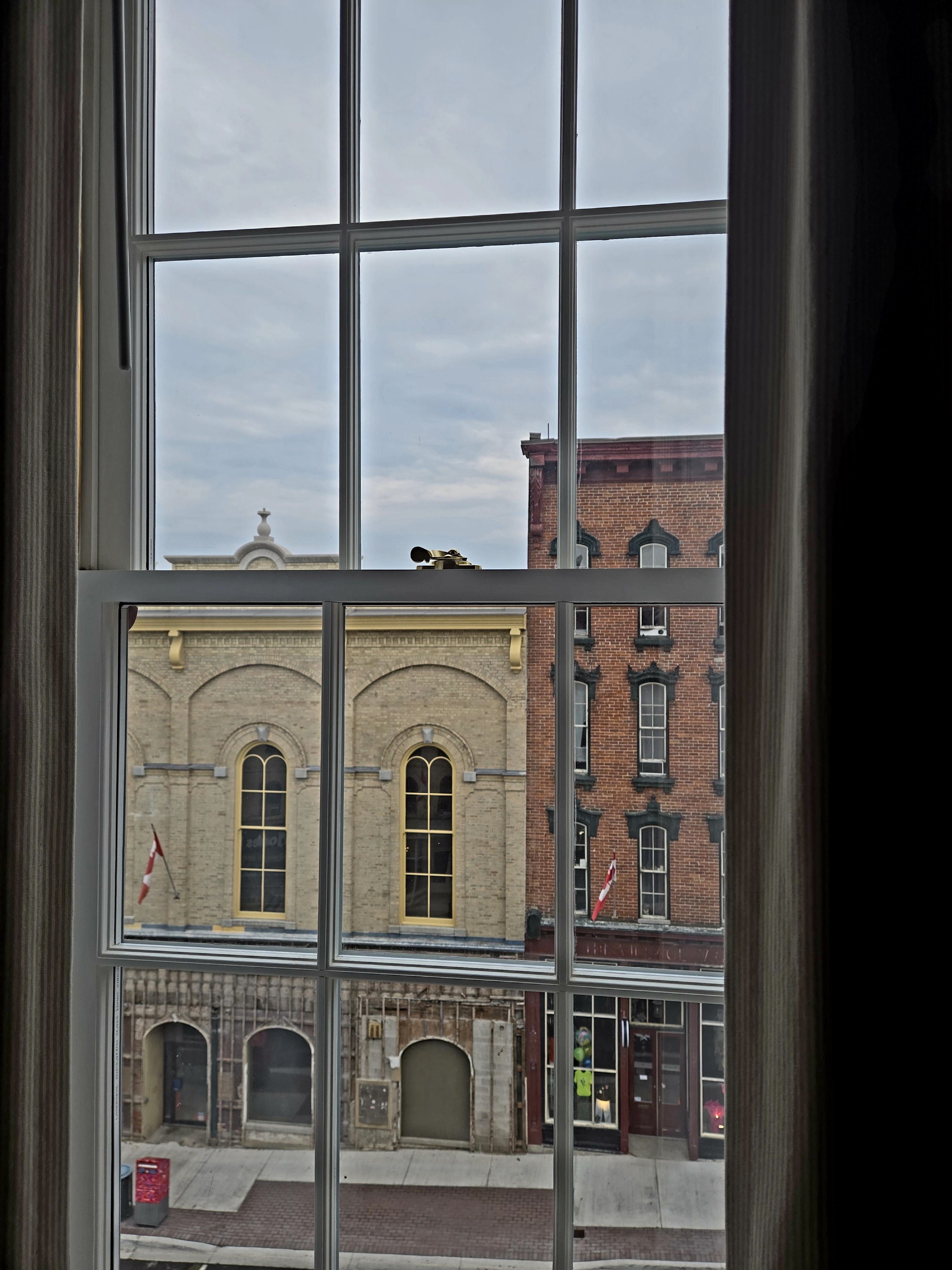
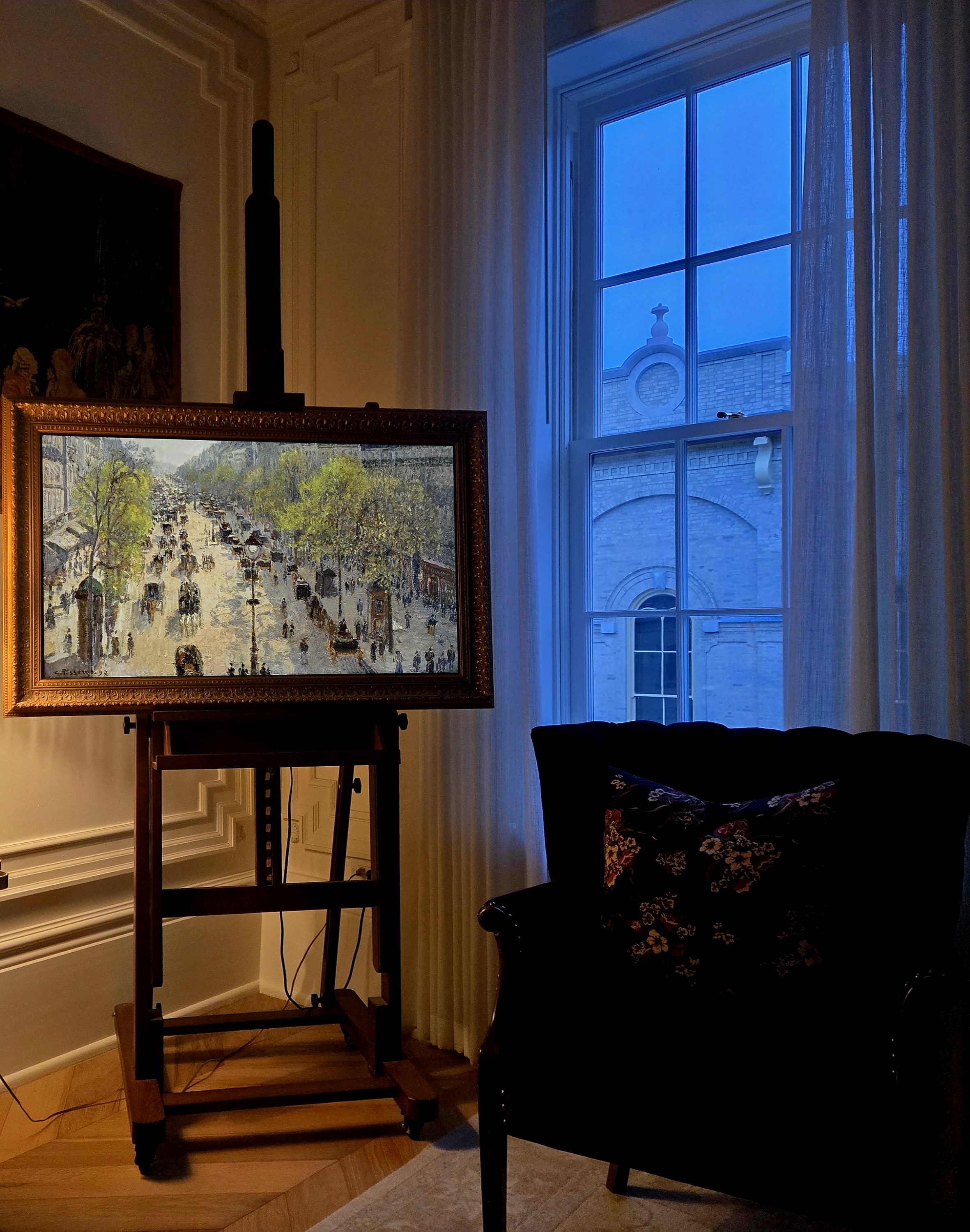
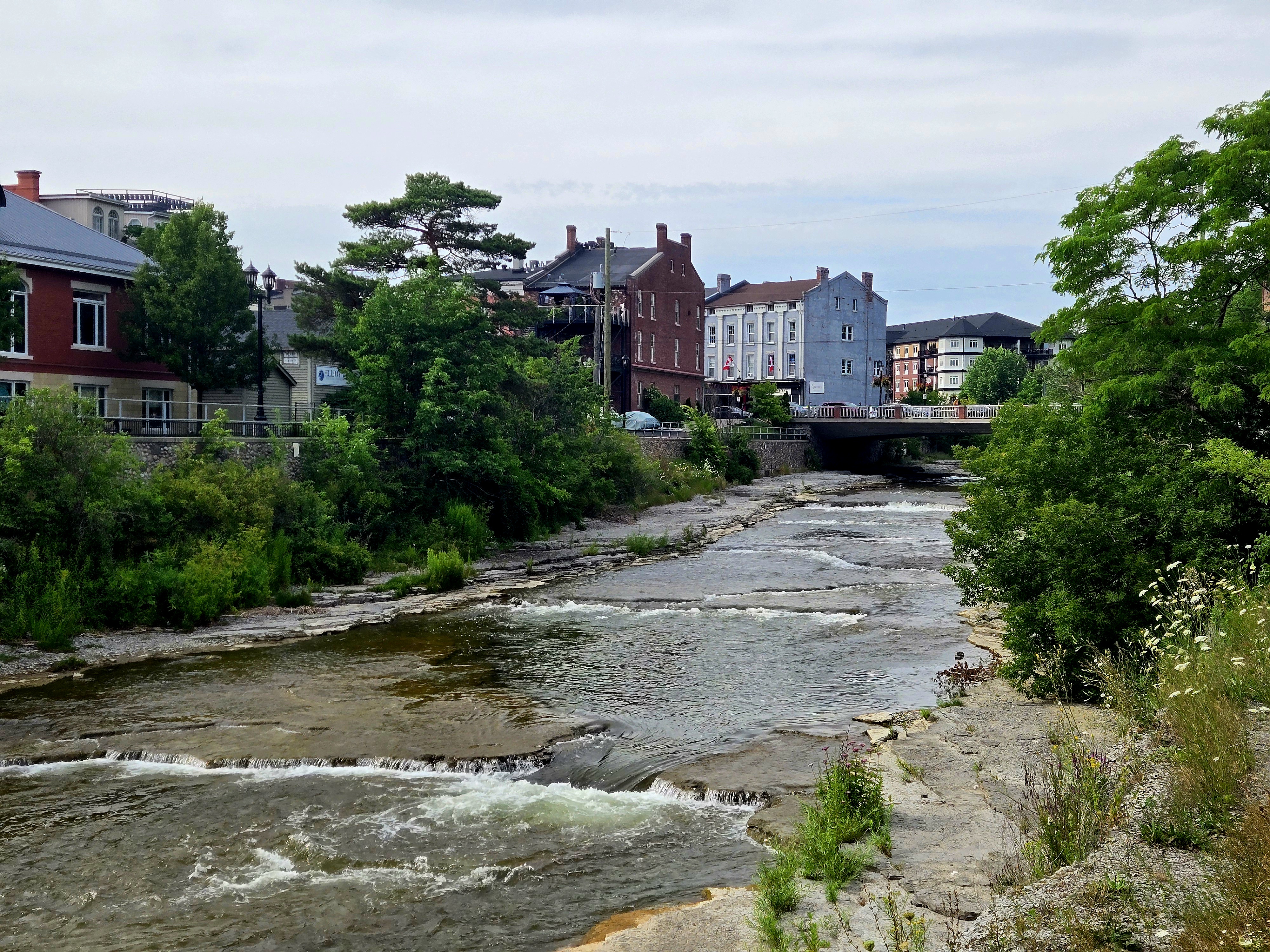
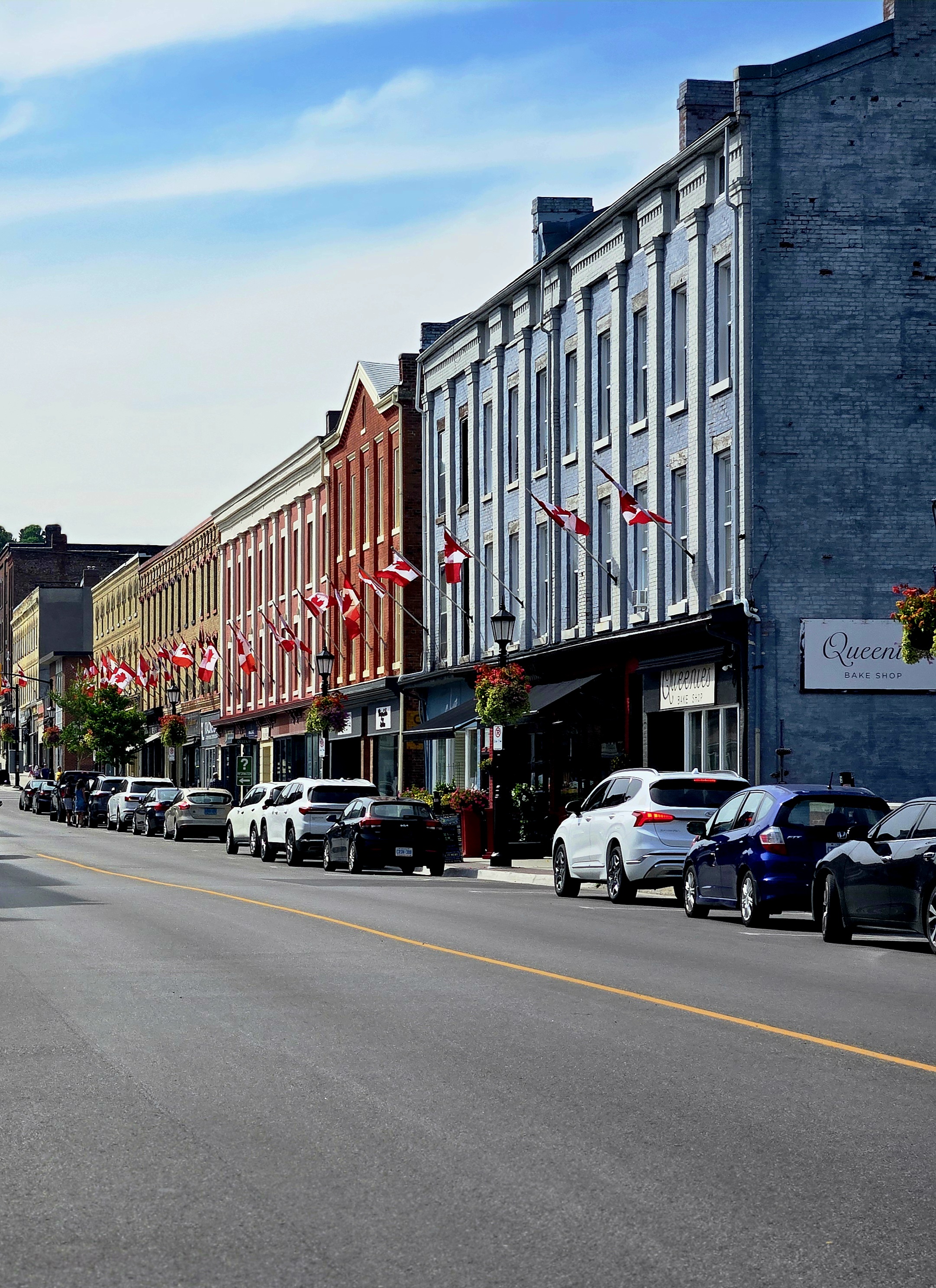
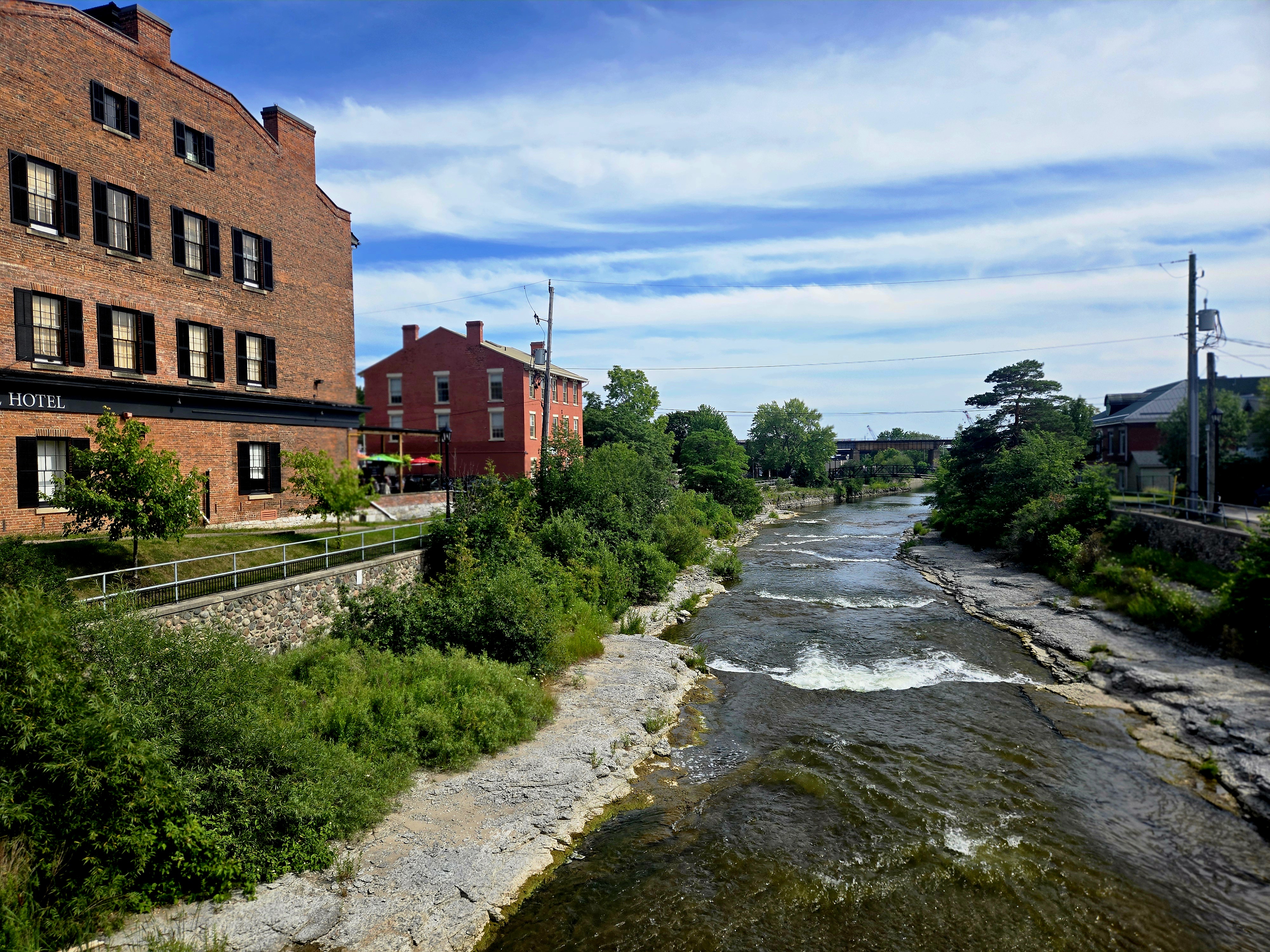
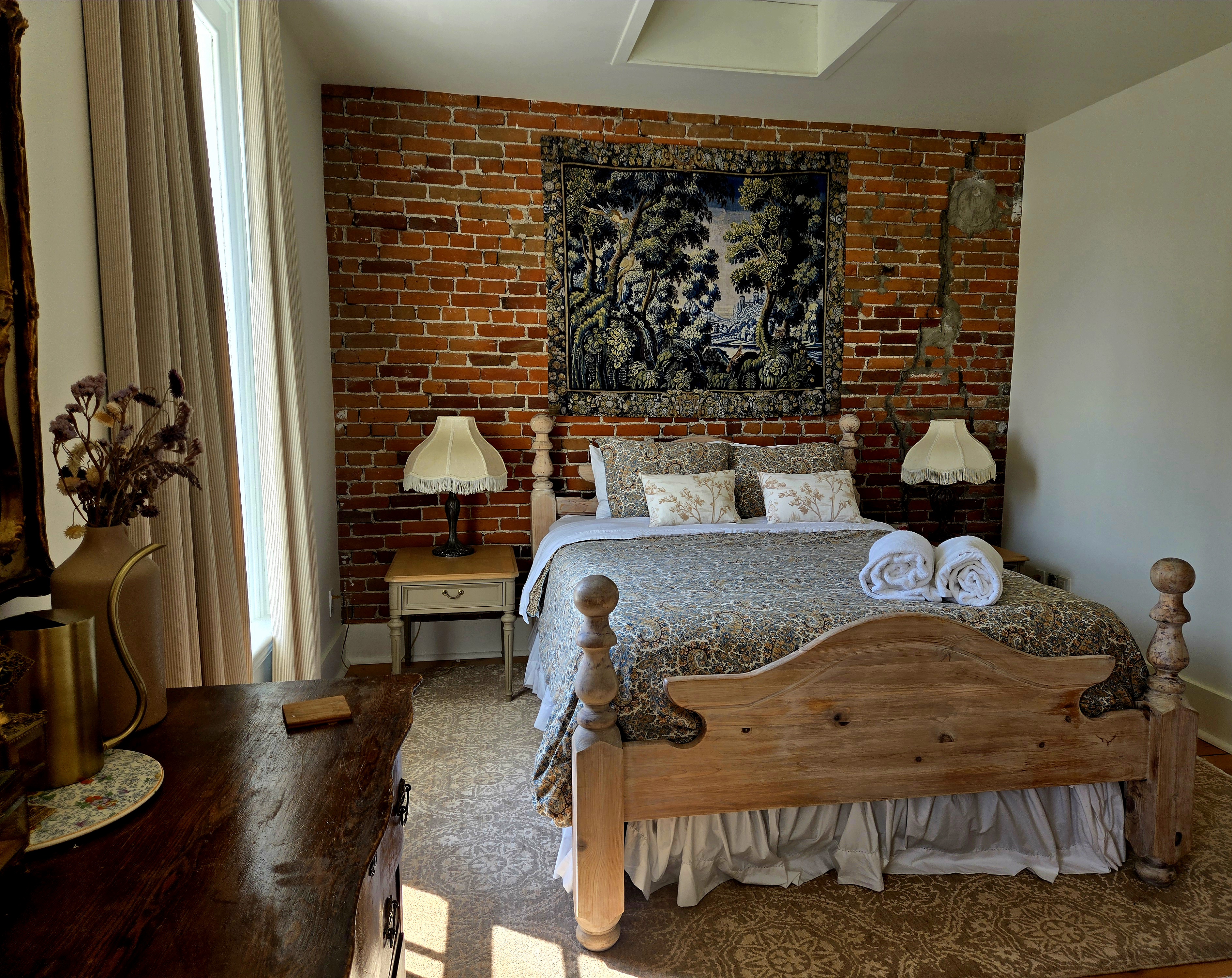
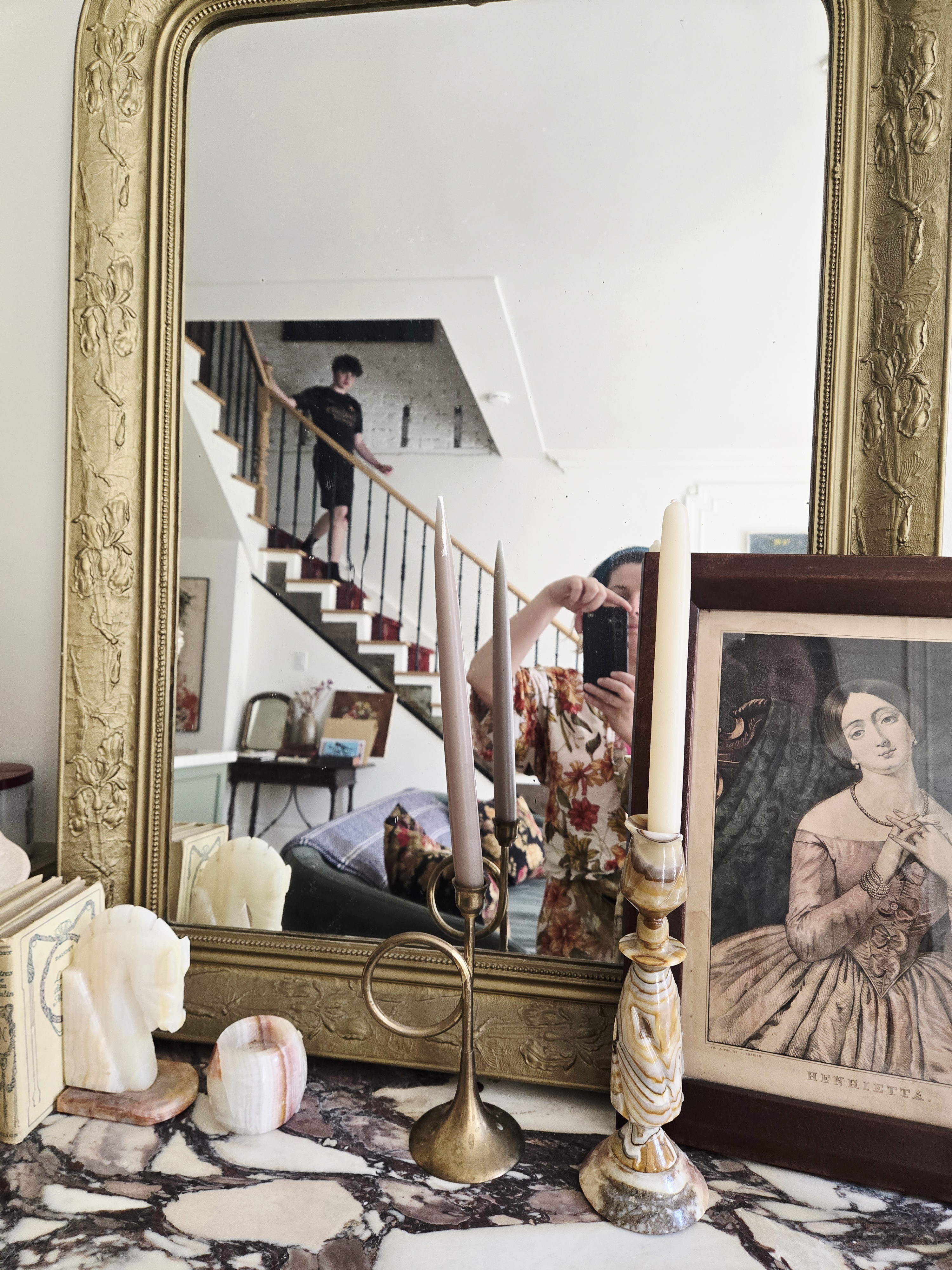
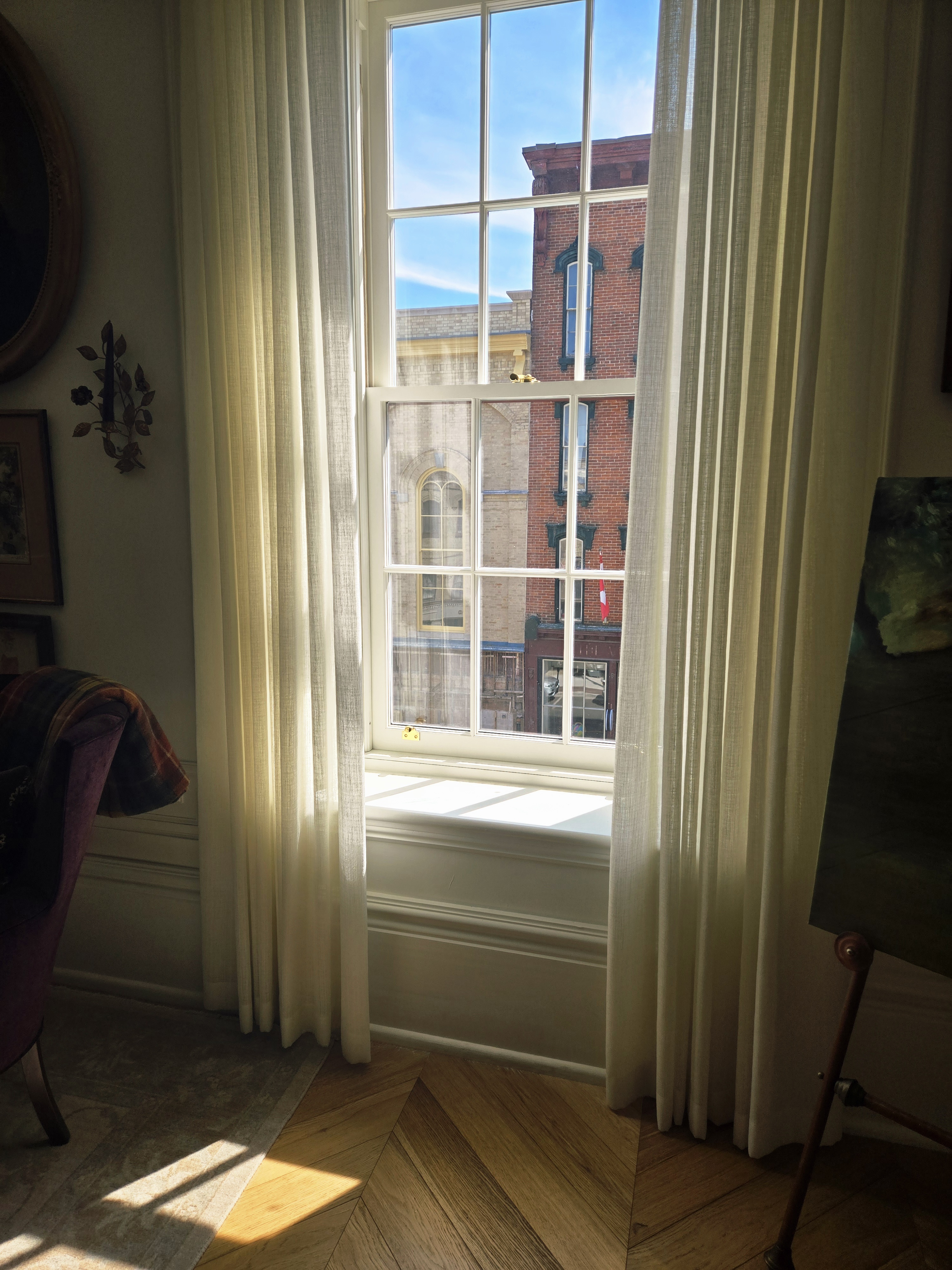
Looking back, the photographs seem less concerned with Port Hope as a destination than with the conditions that made sustained attention and rhythm of life easy. The home we stayed in (The Collette Rose), the scale of the town, the river, the church and the unhurried movement between them asked very little of me.
I noticed window light changing, purple globe thistles against a white church, reflections dividing our figures across several mirrors and the three trees my sons I took shade under on a beach day, their branches opening into the August sky.
The Sunday service at St. Mark’s was small and subdued, centred on traditional liturgy, hymns and a modest congregation, followed by coffee and conversation. Its simplicity influenced me to begin looking for a smaller, more traditional and stripped down church in Toronto.
Port Hope Soundscape
These recordings approximate the sounds surrounding the photographs: the train that passes through town, the Ganaraska River rushing over its limestone bed and cardinals calling from the trees. They were sourced online rather than recorded during the visit.
If you hit play on all of them; you’ll get the full cacophony of Port Hope. Hit each play button again to turn them off.
The residency now has a physical address.
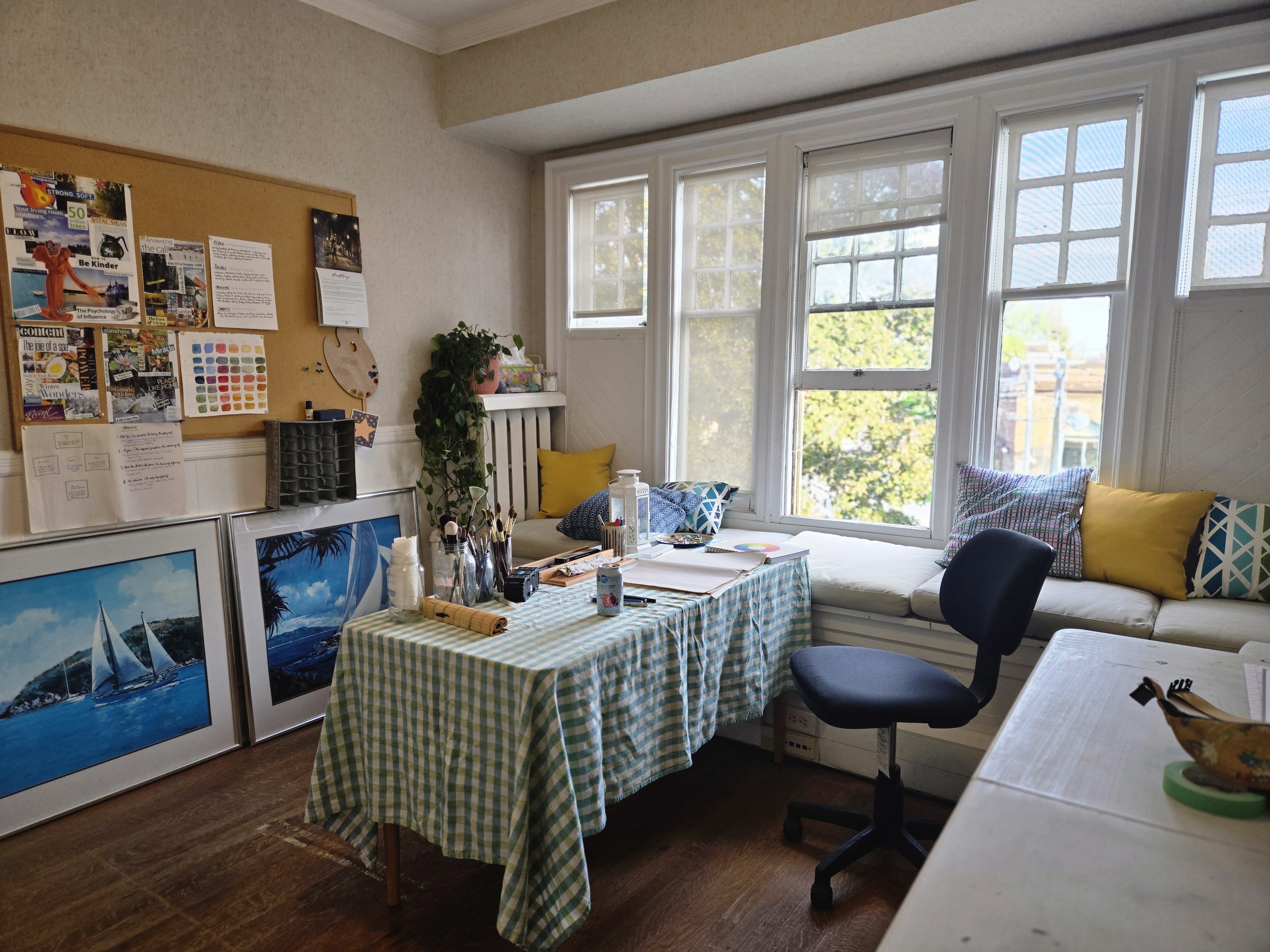
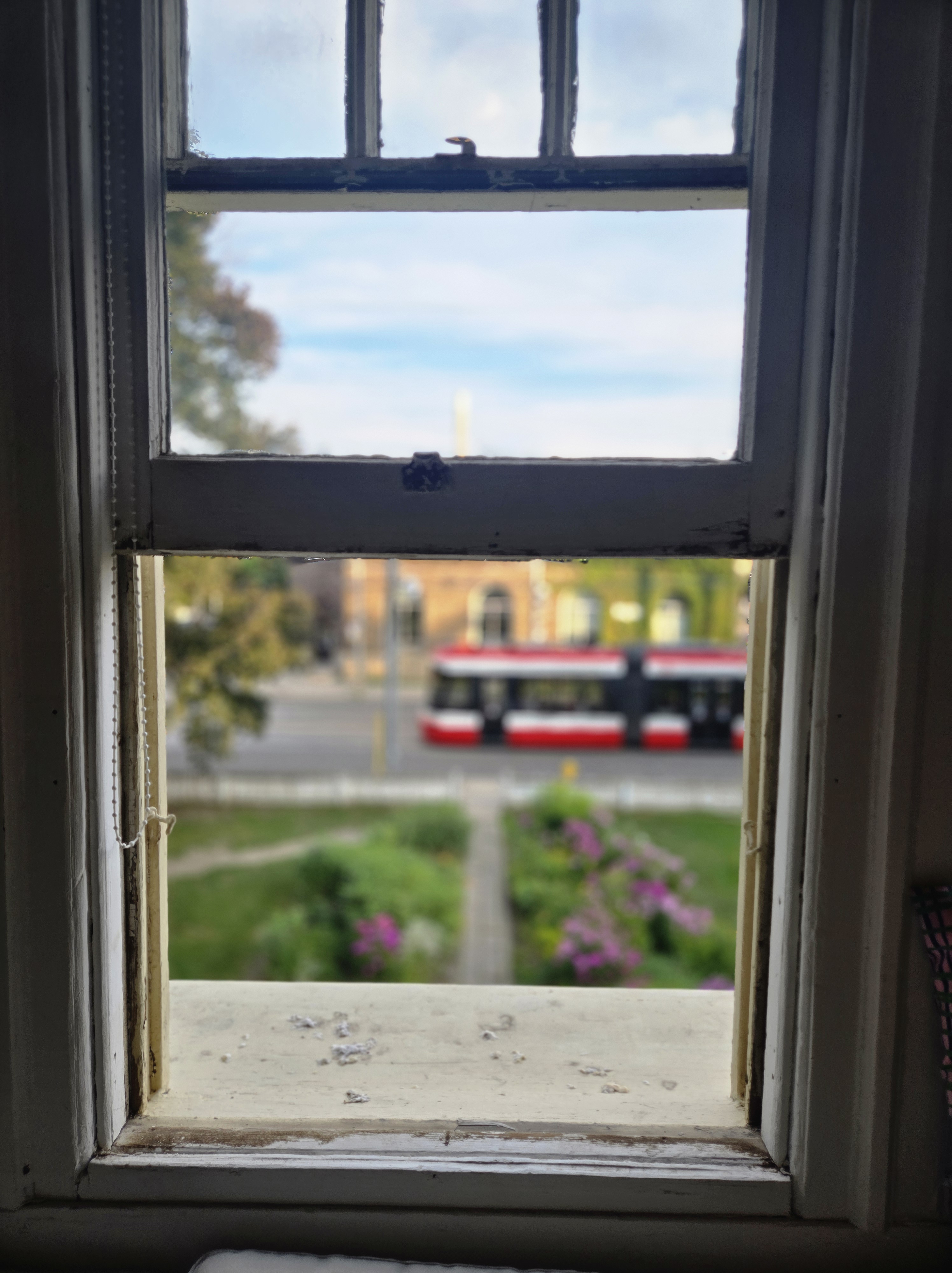
My studio at Ashbridges Estate is set up and ready for sustained attention and work.
A few early evenings and very early mornings have already been spent there this summer.
“After Yes”
Planning one painting in the Obedience chapter.
After Yes begins with Matthew 4:20: “At once they left their nets and followed Him.” The painting begins after the decision and asks: What does it look like when the ordinary flow of the world is interrupted because someone has recognized a greater good?
Before the paint comes out
Planning the painting known as “After Yes” includes:
- Defining the thesis question and biblical anchor.
- Choosing the precise moment the painting will depict.
- Gathering references for the street, doorway, winter clothing, figures and gestures.
- Assigning each person in the crowd a distinct psychological response.
- Developing thumbnail sketches until the crowd, protagonist and threshold read clearly.
- Protecting the negative space around the protagonist’s silhouette.
- Dividing the image into passages and deciding which passages require detail.
- Mapping the values, focal path, hard edges and soft edges.
- Colour-mixing the limited palette and identifying colour bridges and complementary relationships.
- Tracing the final composition onto a reference sheet and assigning colour and value numbers to each passage.
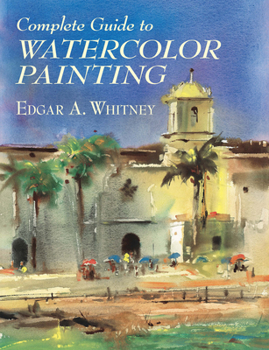
Reading: Edgar A. Whitney
Complete Guide to Watercolor Painting
Whitney has introduced a question into the planning of After Yes:
Why watercolour?
His emphasis on transparency, freshness, edge variation and pigment movement exposes a risk in my current plan.
A complex narrative painting can become a carefully coloured drawing if every figure, face, coat and building is described with equal precision.
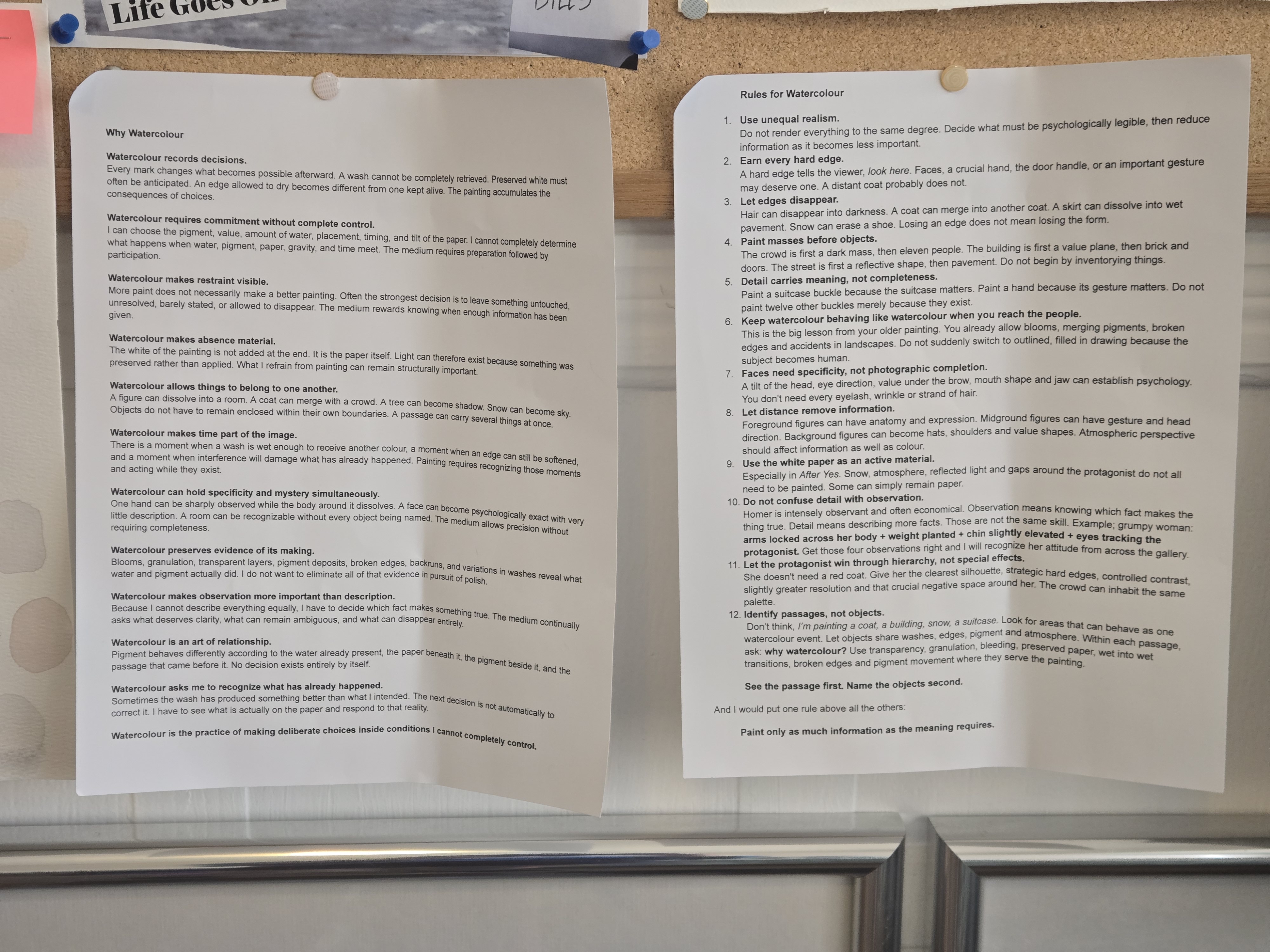
The answer is not to abandon detail. It is to distinguish detail from observation. Observation identifies the visual fact that makes a passage true. Detail accumulates additional facts. The task is to determine which facts carry the painting and where watercolour should be allowed to behave as watercolour.
Working Rules
- Identify passages rather than objects.
- Ask of every passage: Why watercolour?
- Concentrate hard edges and detail where they direct attention.
- Allow other edges to soften, break or disappear.
- Preserve areas of untouched paper.
- Use transparency, granulation, bleeding and wet into wet transitions deliberately.
- Let one observed fact carry a figure or object whenever possible.
- Establish the palette, values and colour relationships before painting.
- Allow water and pigment to remain visible participants in the finished work.
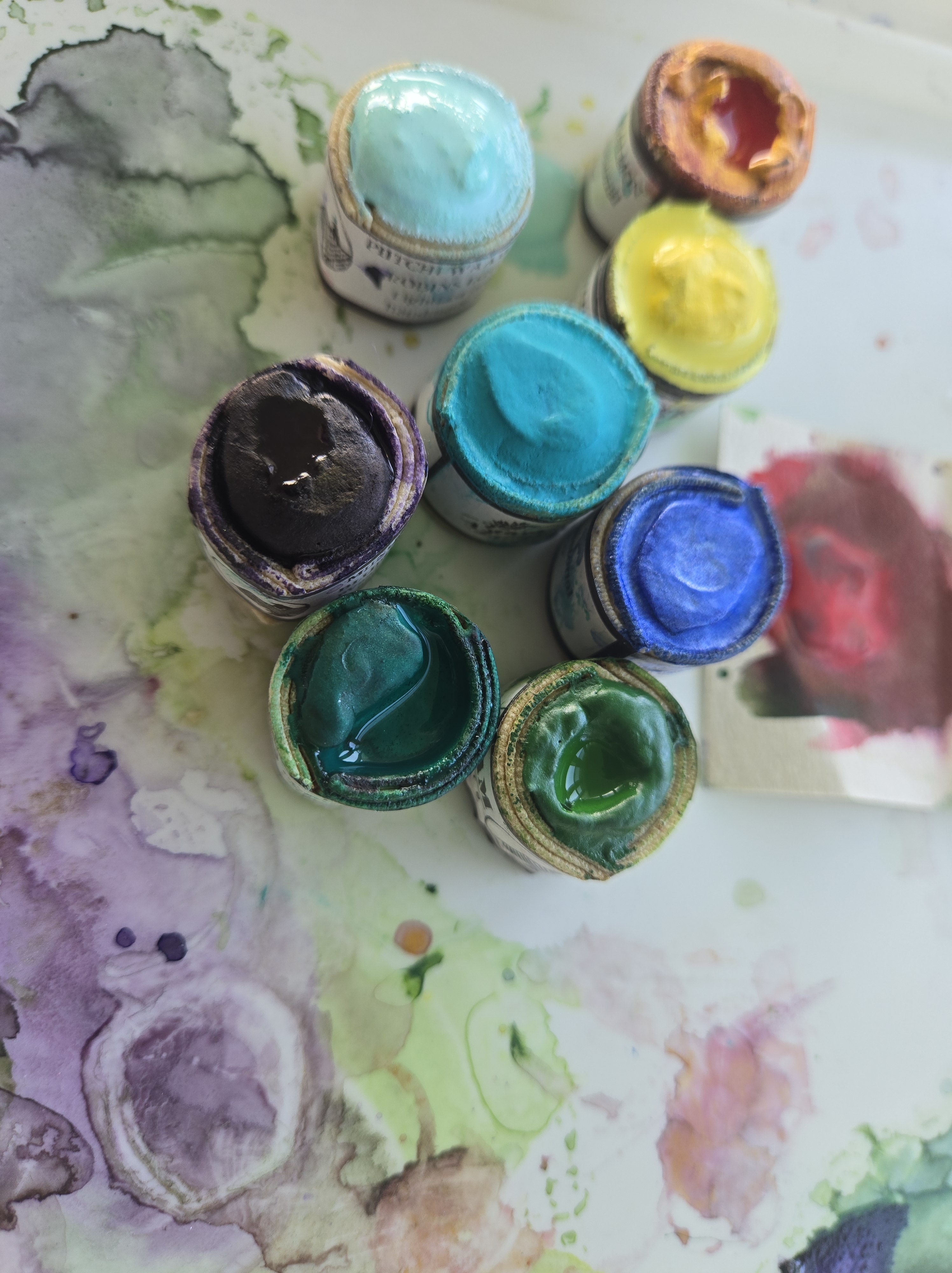
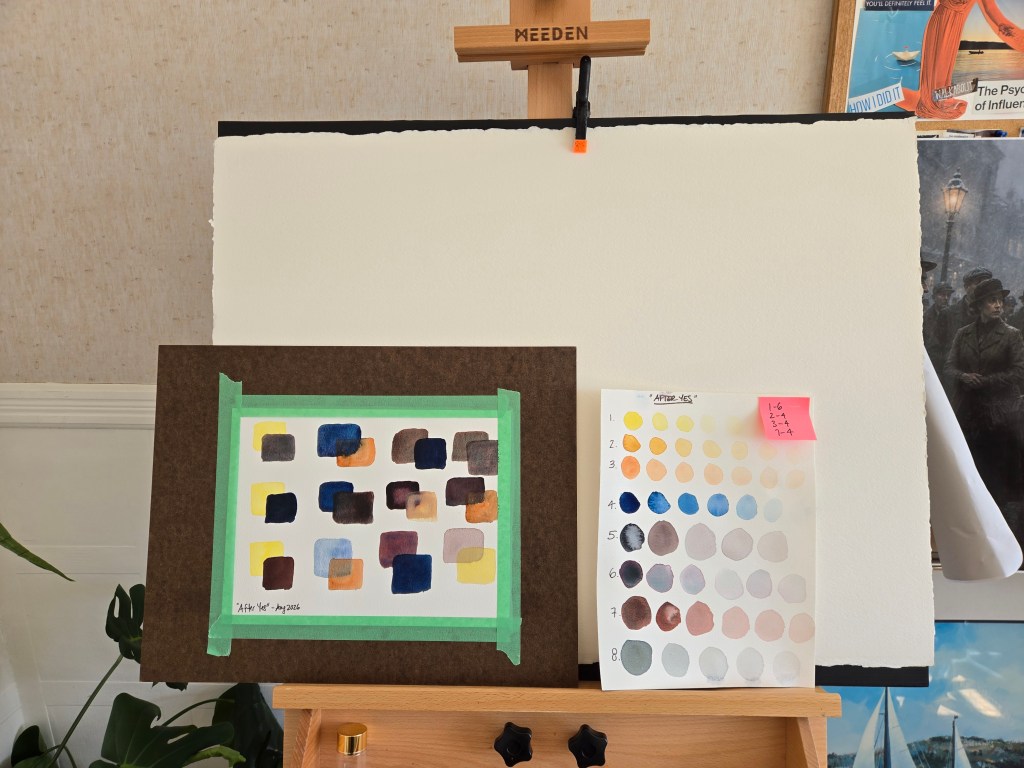
Colour Work: After Yes
Each painting in the Obedience chapter will have its own limited palette. These studies develop the colour key for After Yes, with colour treated as a structural decision made before painting.
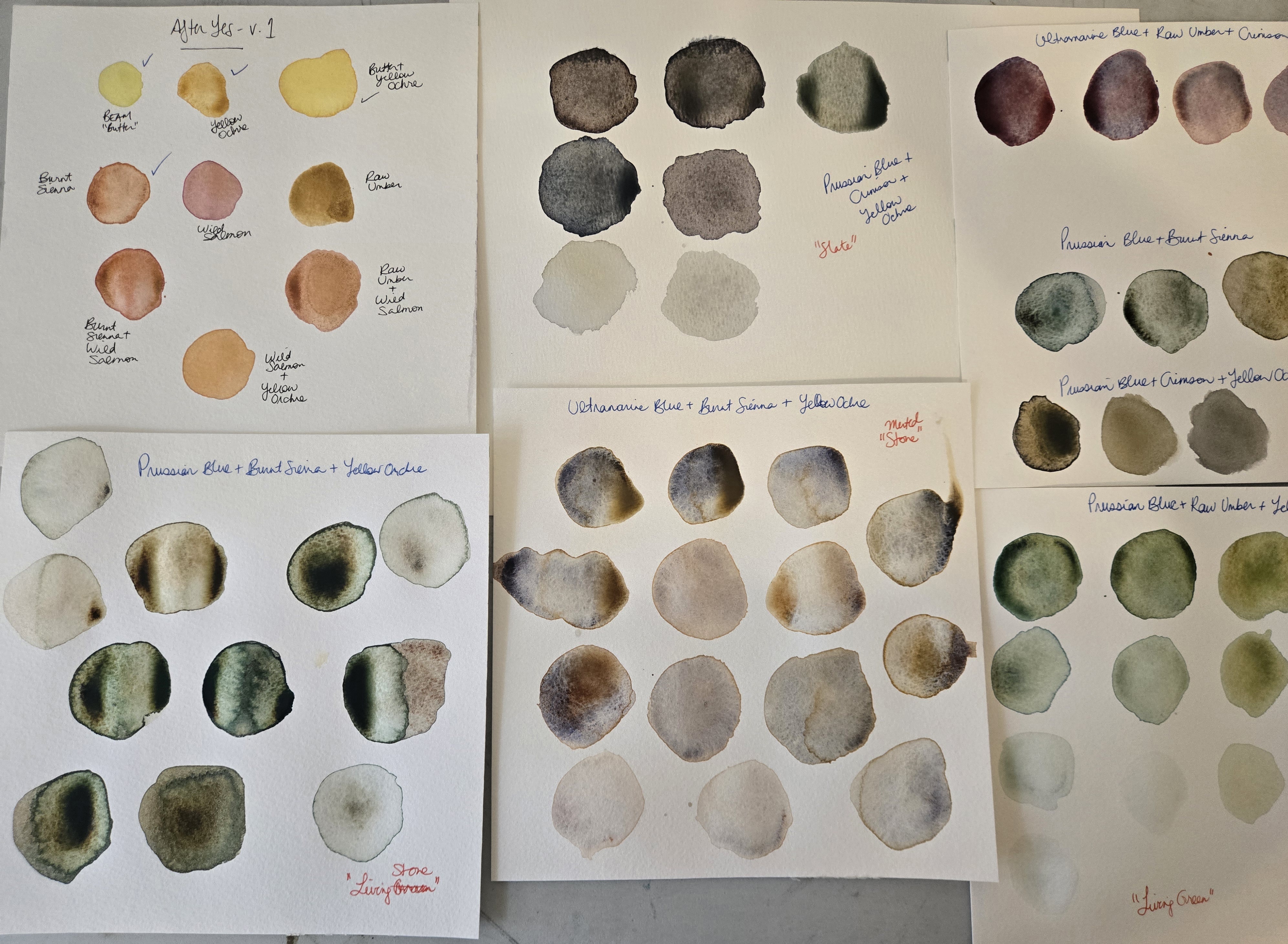
1. Finding the mixtures
Initial colour-mixing created warm lights, earths, cold blues, violets, greens, greys and dark neutrals. The purpose was to mix triads until I found a coherent family of colours that could produce both atmosphere and figure detail.
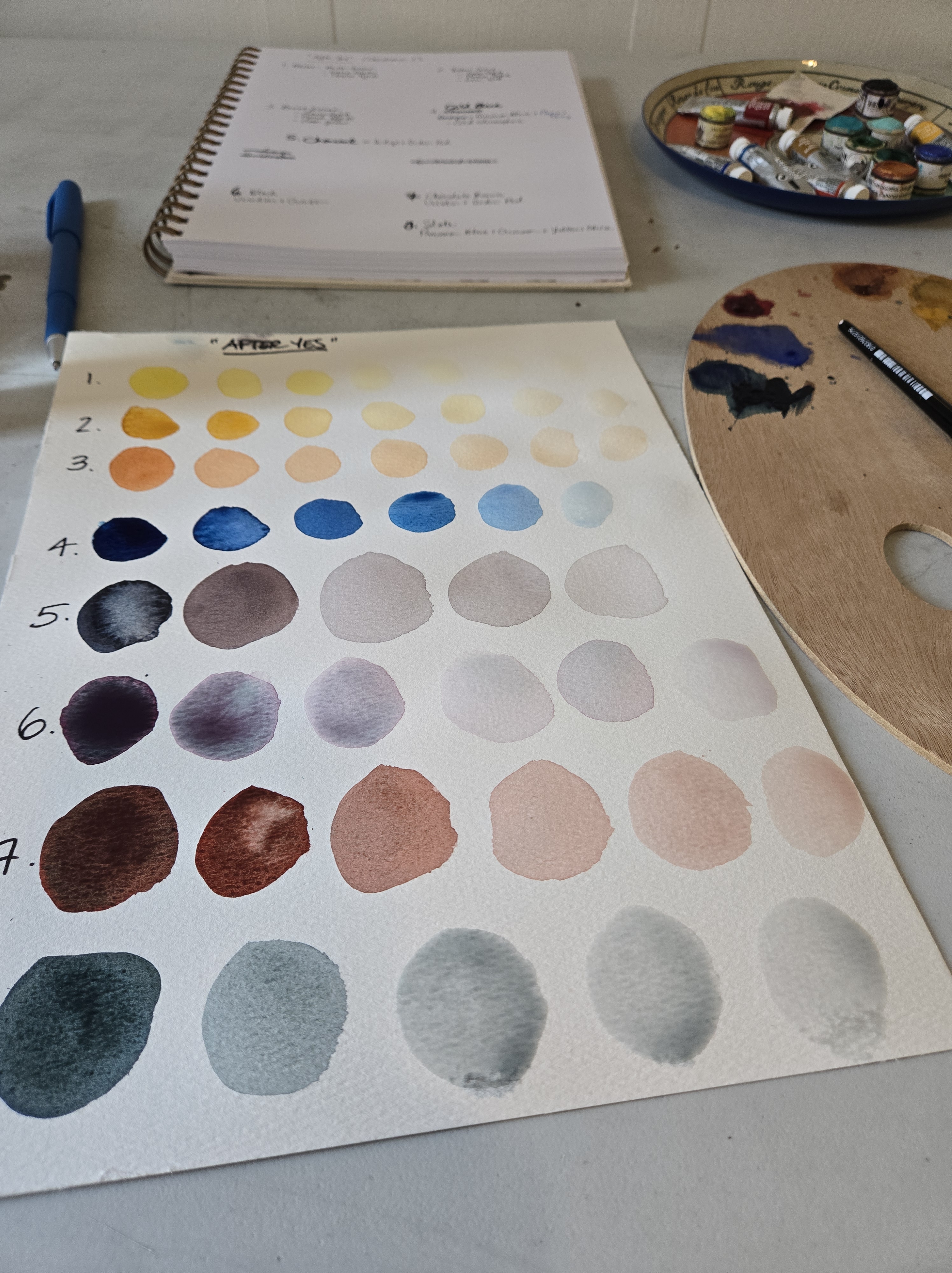
2. Deciding the palette
The initial tests were narrowed to eight colours for After Yes. The pigment formula for each mixture was documented, then painted at several dilutions so the colours could be reproduced consistently throughout the painting.
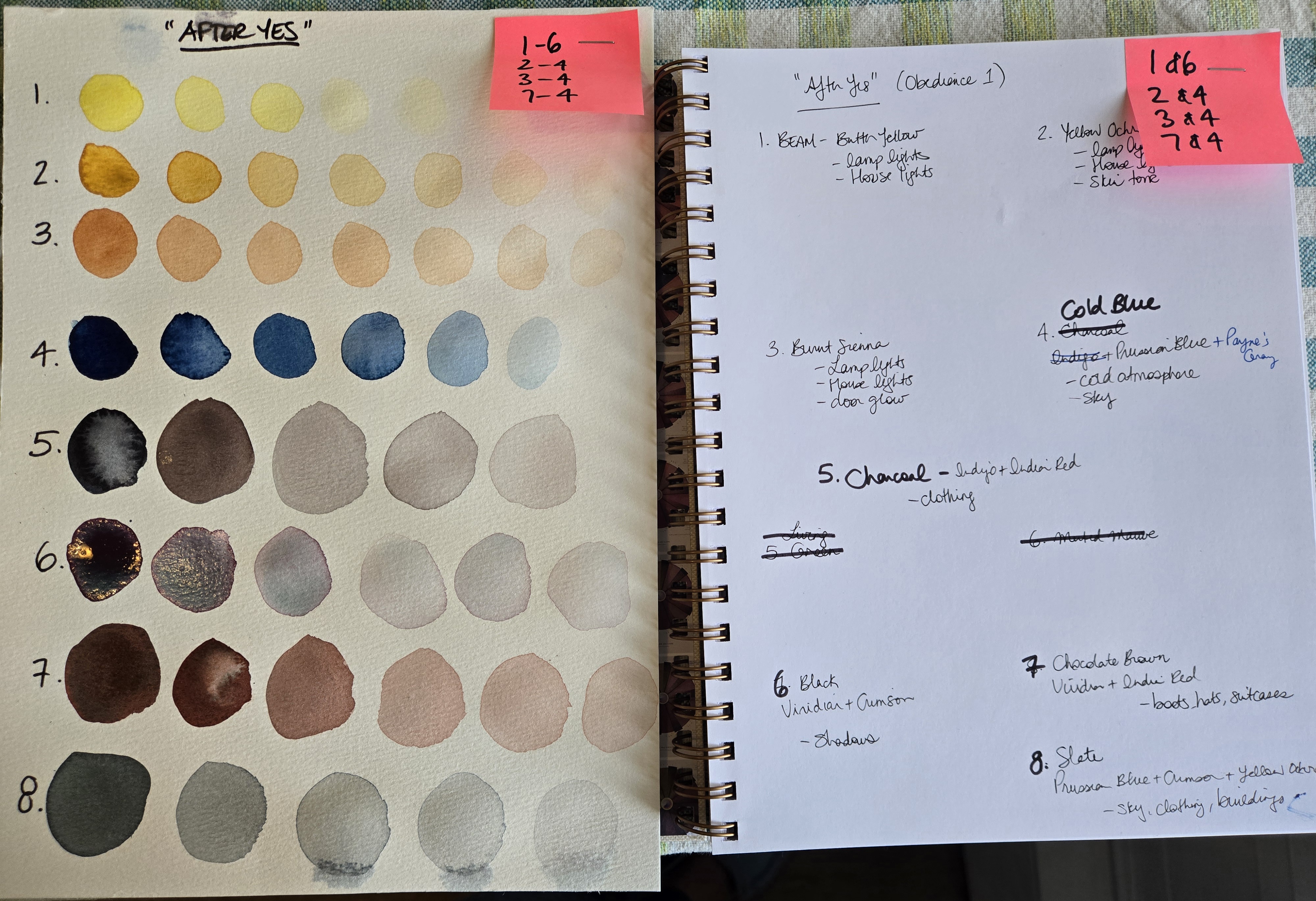
3. Assigning the colours
The final palette contains eight numbered colours: butter yellow, yellow ochre, burnt sienna, cold blue, charcoal, black, chocolate brown and slate. Each colour has been assigned a function within the painting, including light, atmosphere, sky, architecture, clothing, shadows, boots, hats and suitcases. Complementary relationships have also been identified.
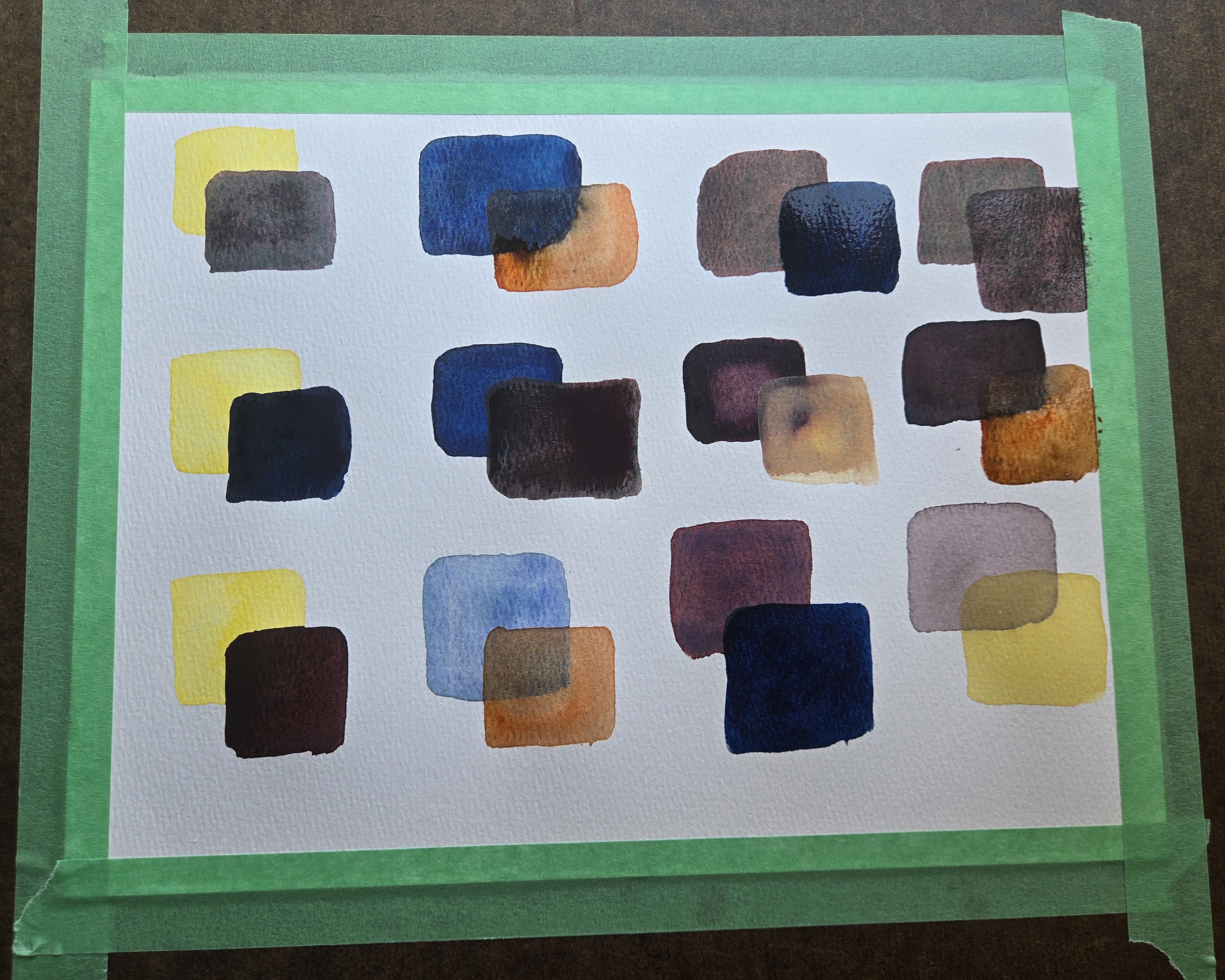
4. Testing the relationships
A study from Jeanne Dobie’s Making Colors Sing tested complementary placement and colour bridging. The overlaps revealed which combinations remain distinct, which create useful neutrals and how the palette behaves if several colours occupy the same passage.
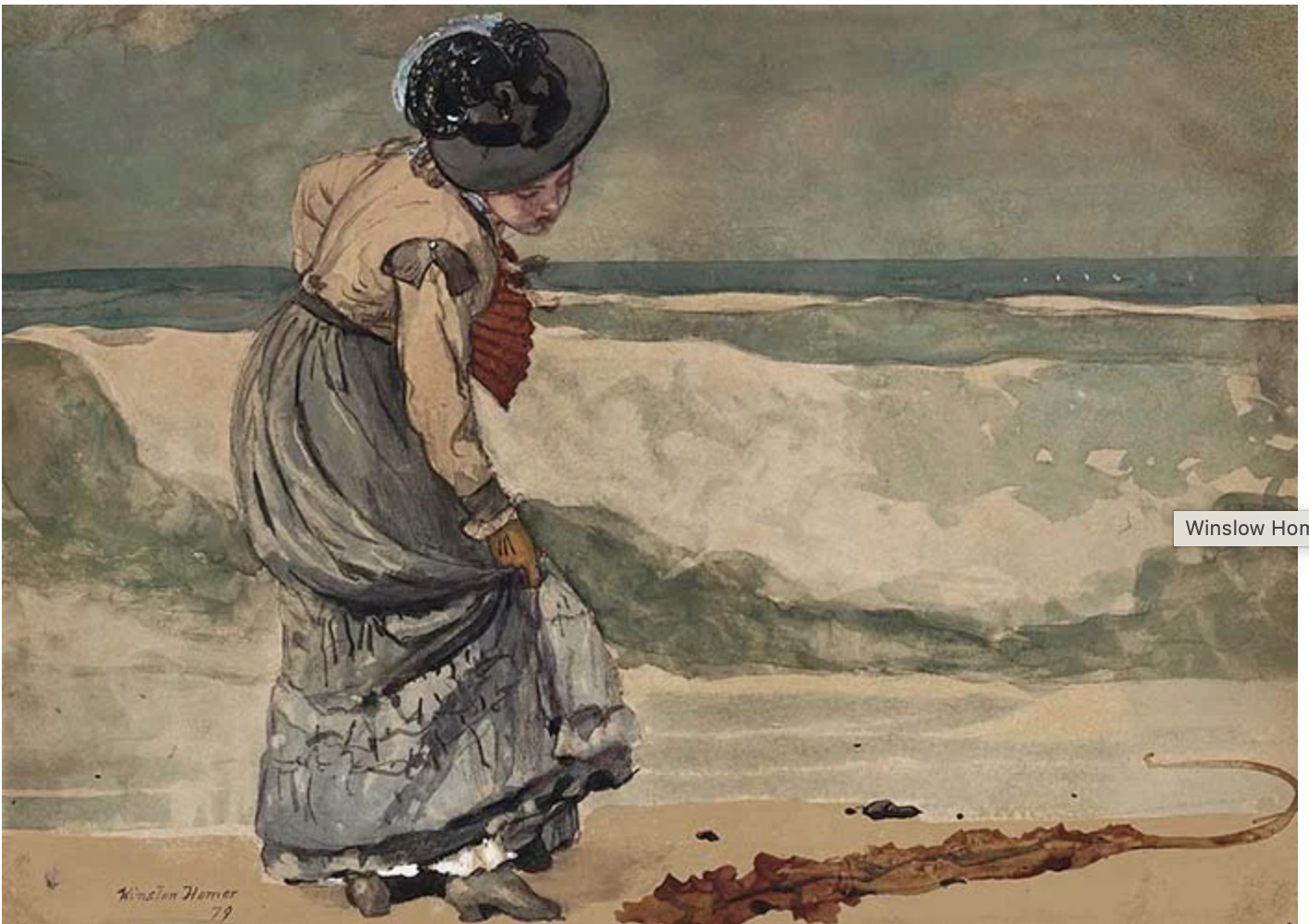
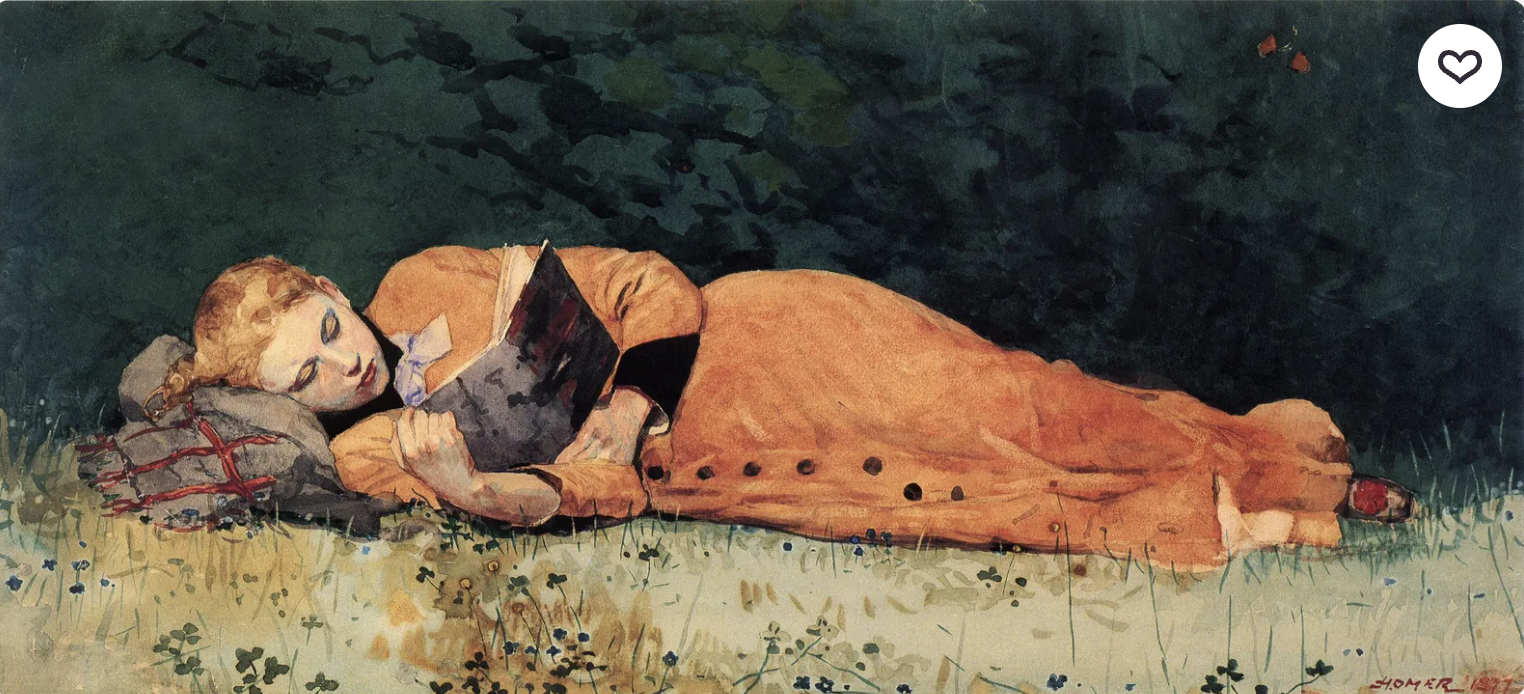
Learning from The Watercolour Greats: Winslow Homer
Winslow Homer was a major nineteenth-century American painter who painted ordinary people engaged in psychologically legible actions, using the same medium (watercolour) I have chosen for Obedience.
Painting people in watercolour is a different beast. Human figures require proportion, gesture, clothing and enough facial information to feel true. The technical problem is retaining transparency, pigment movement and varied edges while giving each person sufficient specificity.
Homer solves this through selective accuracy. The bend of a body, weight of a dress, angle of a head and position of a hand carry the subject. Background passages remain loosly described, edges shift and the figures remain completely believable.
Art Gallery Study: Occupied
Learning about Winslow Homer, who painted ordinary people engaged in psychologically legible actions, inspired me to get down to the local gallery (AGO) and find more of this. What I found, though I wasn’t looking for it, was women, occupied.
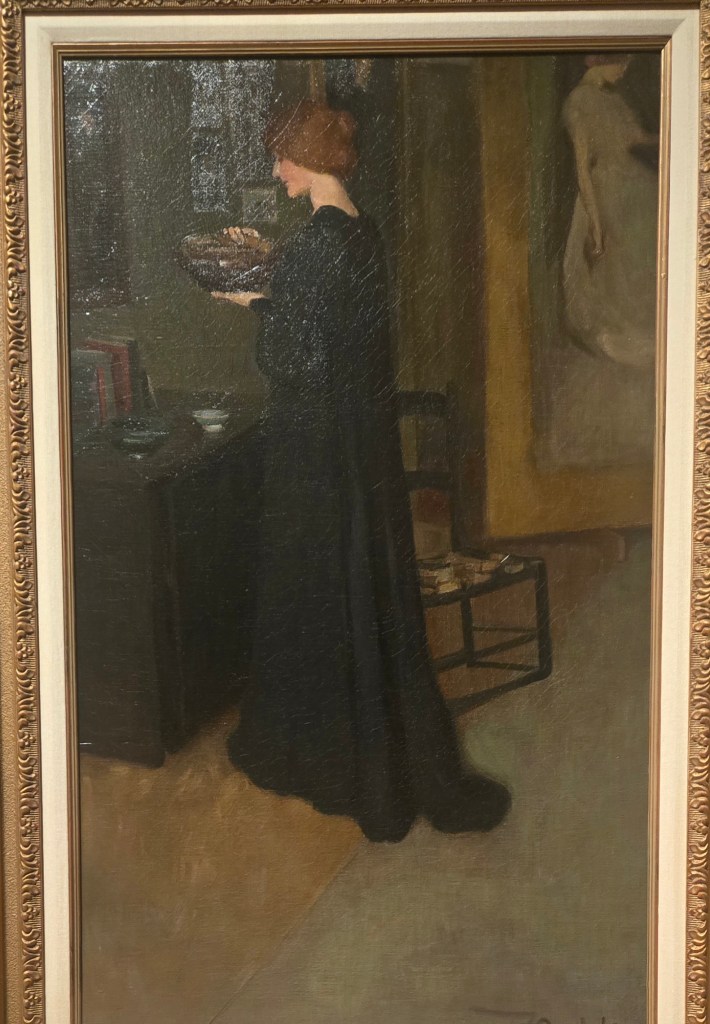
The Artist in Her Studio, 1901 by the prominent Canadian artist Florence Carlyle.
The woman’s total absorption in this simple task is beautiful, fascinating, and relatable.
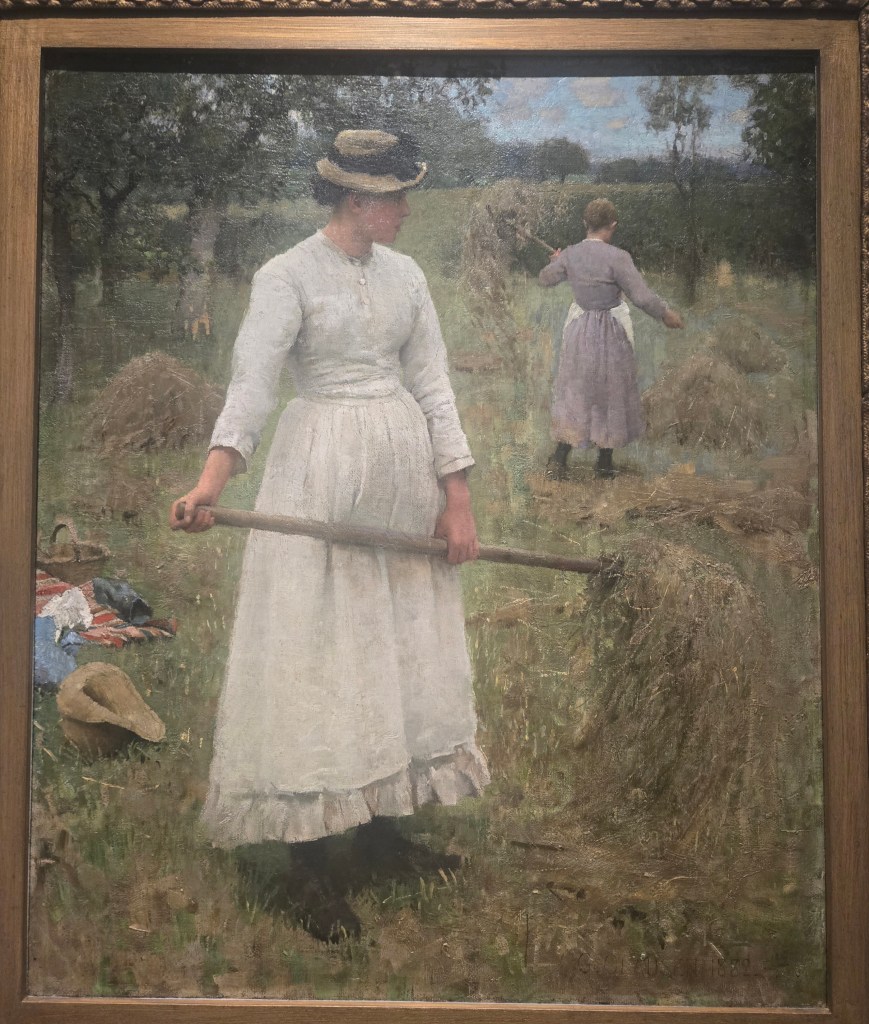
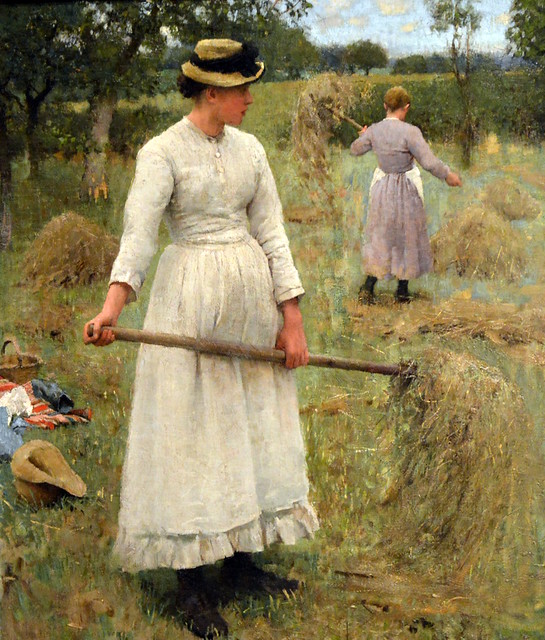
Haying (George Clausen, 1882) is indeed a favourite.
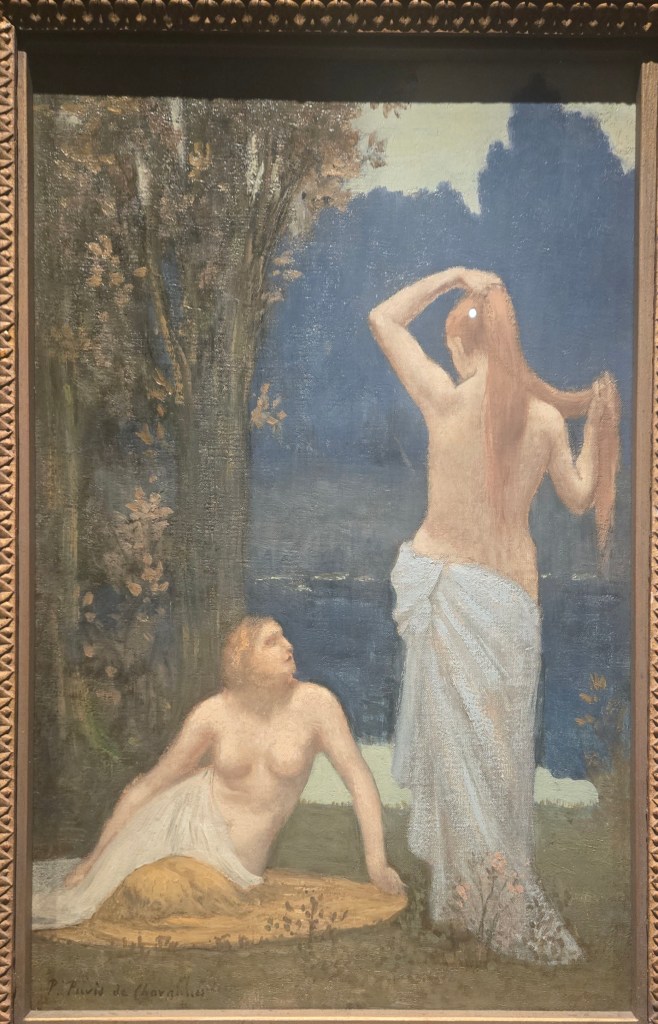
The two characters are occupied with each other and the simple task of bathing.
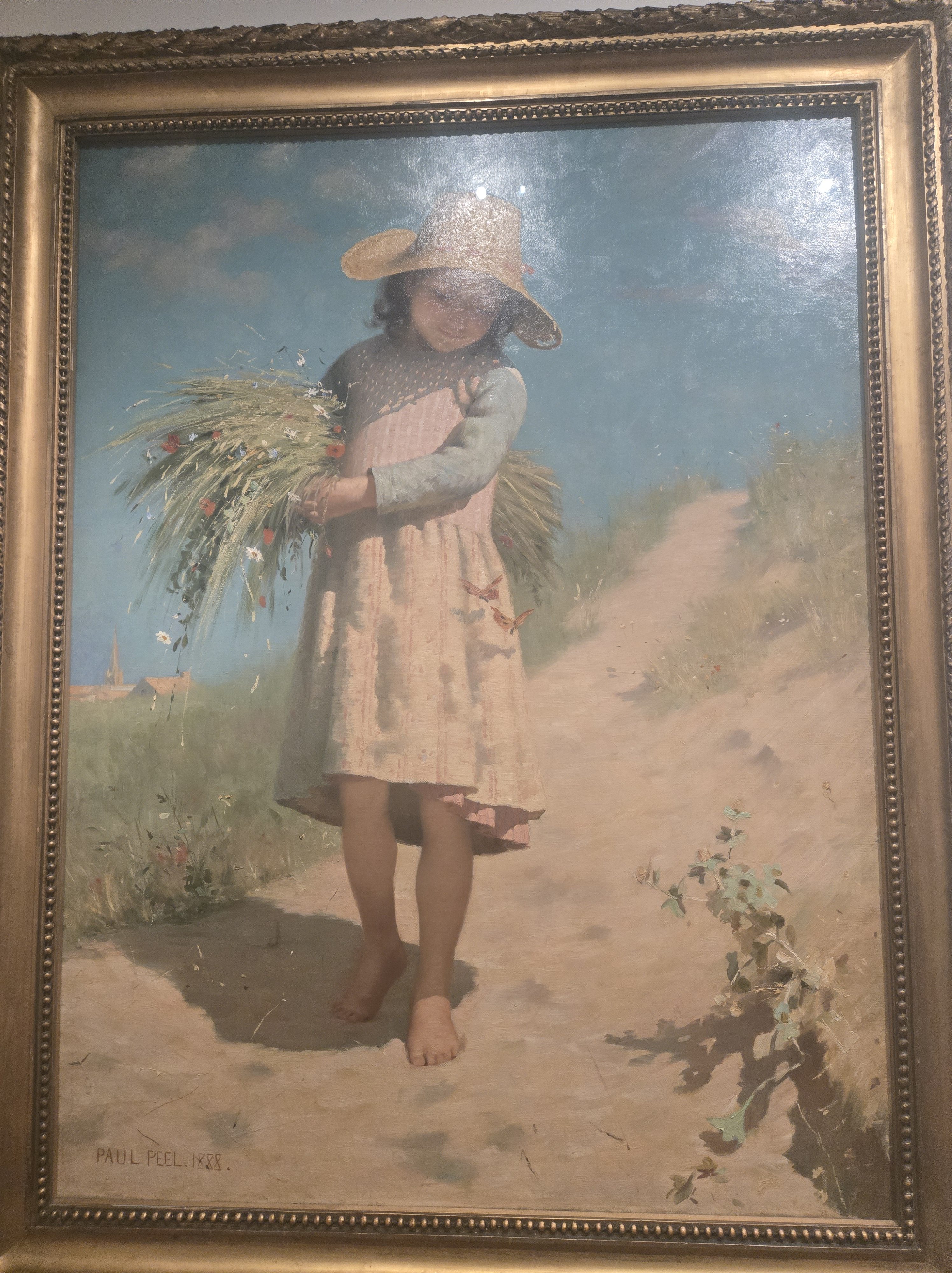
The Young Gleaner (also known as The Butterflies or The Young Botanist). Painted in 1888 by Canadian academic painter Paul Peel.
She is entirely absorbed in her own quiet world, looking down at butterflies or flowers rather than directly engaging with the viewer.
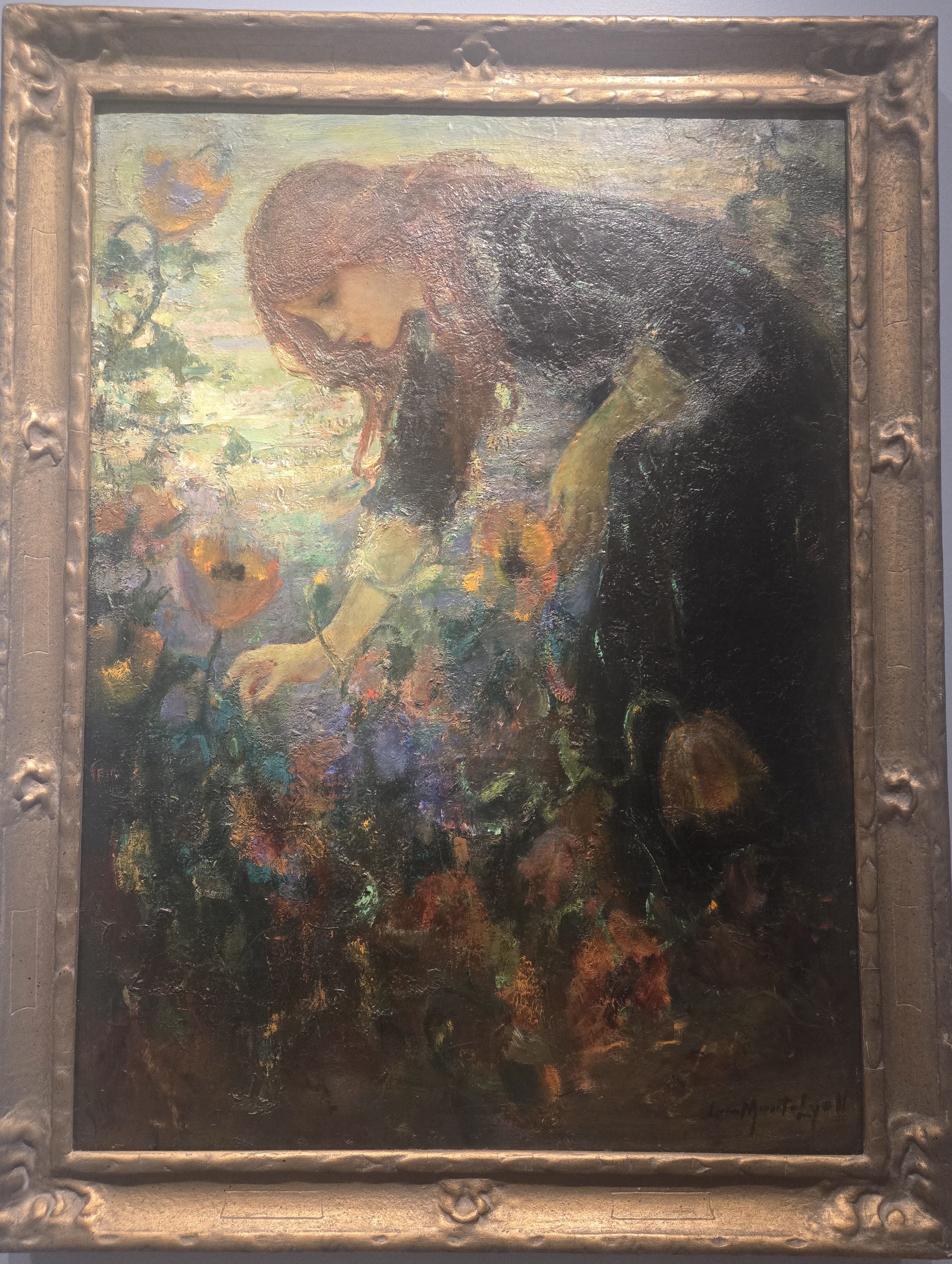
The young redhead isn’t just looking at the poppies; she is physically immersed in them. When you see this painting live, you can sense everything – the weather, the smell, the atmosphere, the touch.
Oriental Poppies by Canadian Impressionist painter Laura Muntz, 1898.
Critiquing My Own Work
To test what I am learning from Homer, I applied the same criteria to a watercolour I painted in the summer of 2025. The painting contains a clear psychological observation: a woman resting her head on a man’s shoulder beneath an umbrella in the snow.
The comparison separates the strength of that observation from the technical decisions that weaken its clarity.
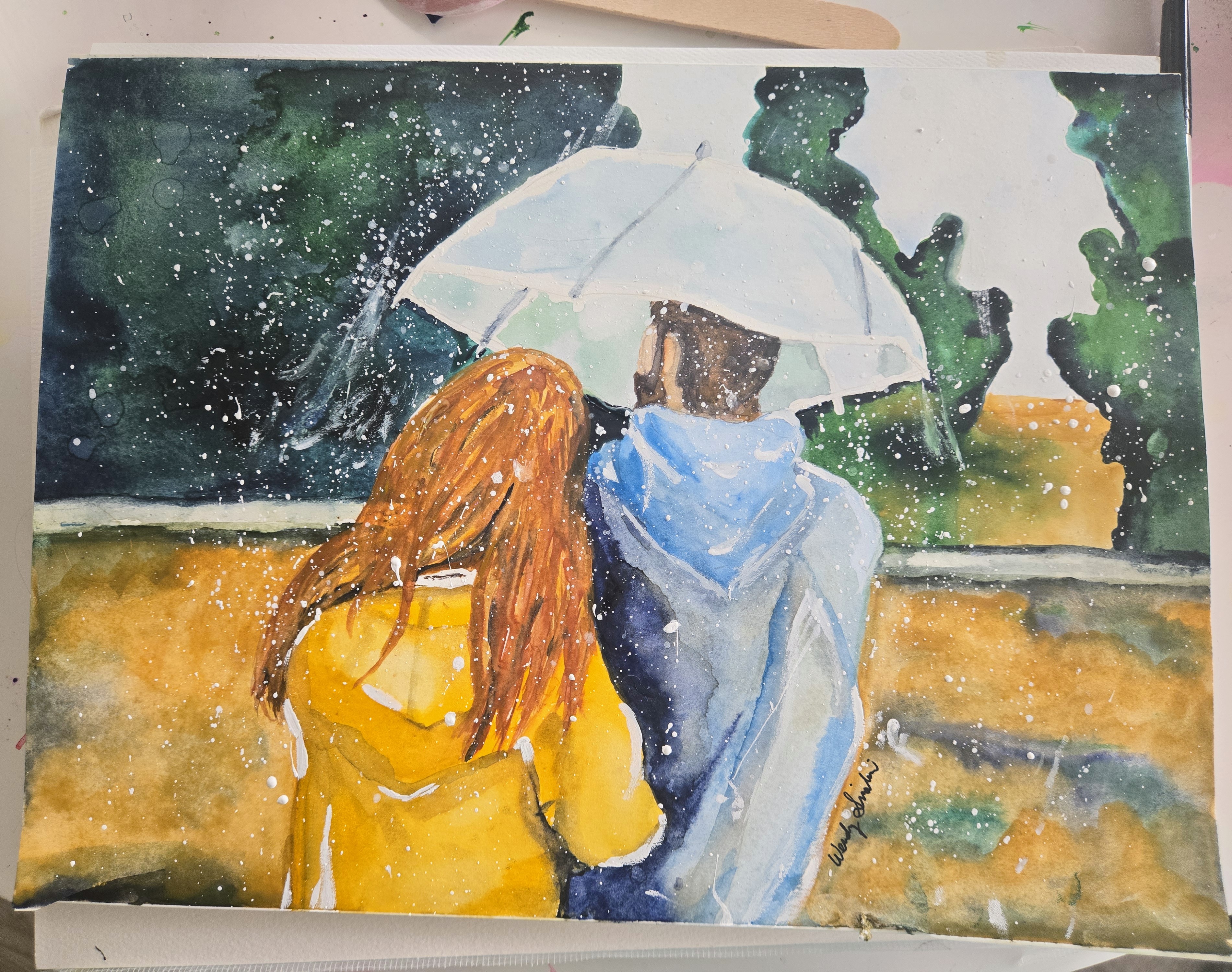
| Homer | My 2025 painting |
| Concentrates attention through value and selective detail (notice how our attention goes straight to her face?) | The umbrella, hair, coats, snow and background compete for attention |
| Builds figures through shape, value and changing edges | Forms are outlined and then filled with colour |
| Treats foliage as a unified background passage | Trees and snow remain separate, equally active elements |
| Puts detail where it explains posture or action | Hair strands and snow marks add information without strengthening the central gesture |
| Uses atmospheric effects selectively | Snow is distributed across nearly every passage |
| Preserves clarity around the psychological action | The central intimacy is present but surrounded by visual competition |
My 2025 painting contains the right observation, but its value structure, edges and distribution of detail do not support that observation.
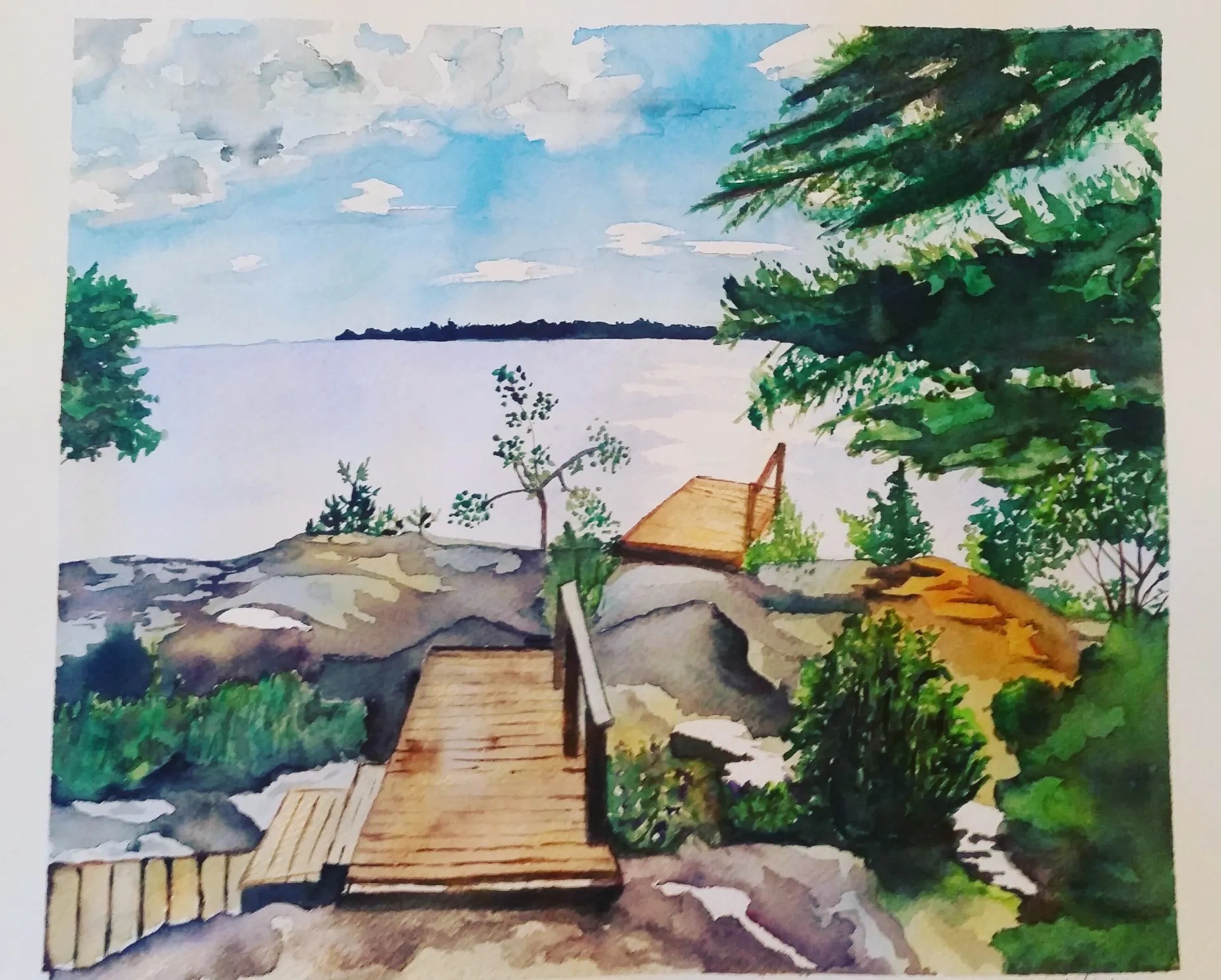
What Works Here
This older painting of mine succeeds for observable reasons:
- The docks create a clear route through the composition, carrying the eye from the foreground toward the lake.
- The dark trees and rocks establish a strong value structure against the pale water and sky.
- Overlapping docks, rocks, foliage, water and distant land create convincing depth.
- Repeated warm ochres connect the wooden structures and sunlit rock across the painting.
- The dense tree on the right is balanced by the open water and sky on the left.
- Detail is concentrated around the shore and structures, while the water and sky remain broadly described.
- Transparent washes, softened transitions and preserved paper allow the medium of watercolour to remain visible.
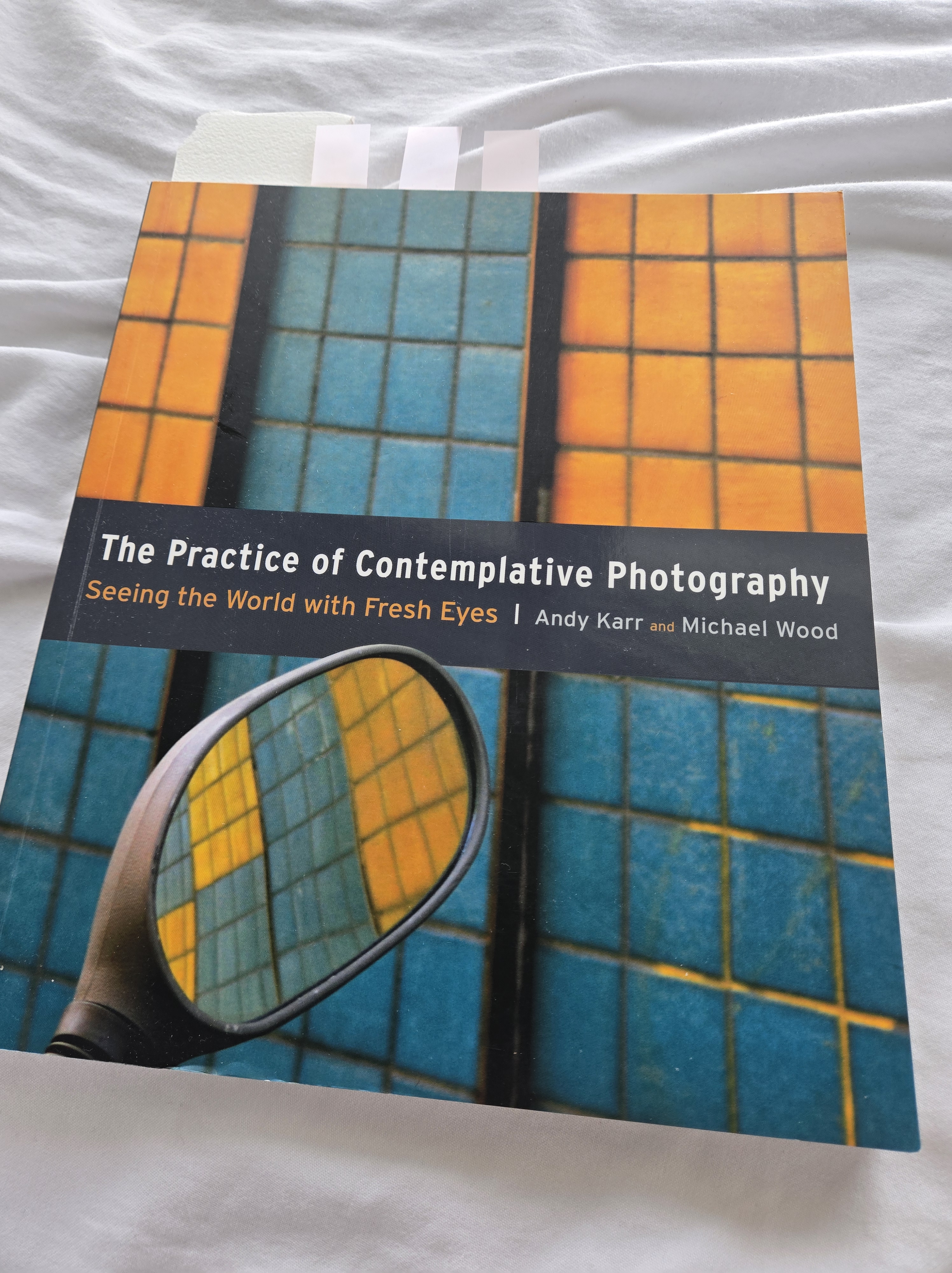
Reading: The Practice of Contemplative Photography
Seeing the World with Fresh Eyes (by Andy Kerr and Michael Wood)
Photography has already become a way of noticing what enters the residency before I understand why it matters. This book gives that instinct a disciplined method for seeing clearly and making images faithful to what first caught my attention.
Direct lessons from the book:
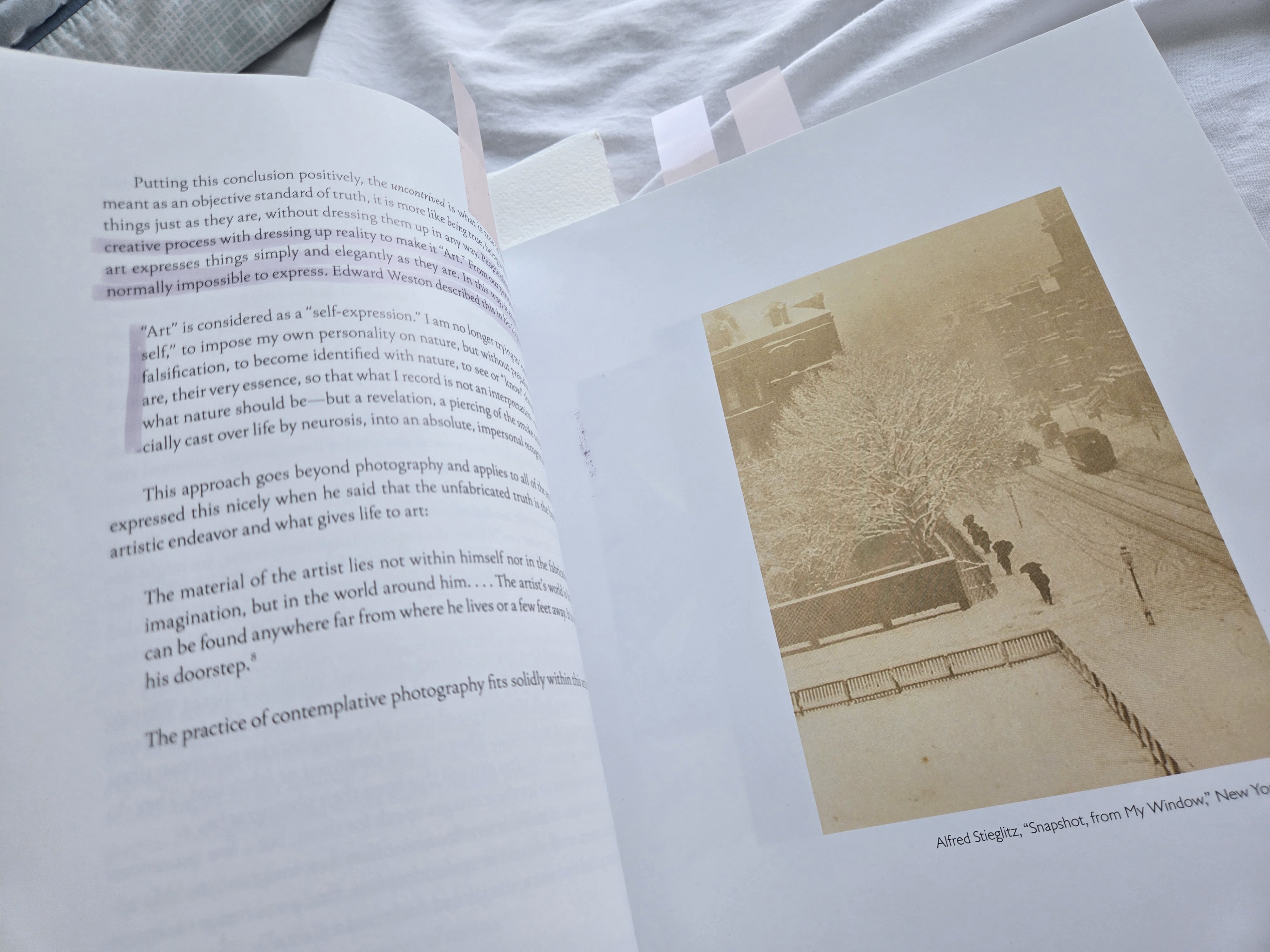
- “Natural artistry is often inaccessible because it is concealed by preoccupation or resentment.”
- Instead of appreciating what we have, we look for something better, something more beautiful, more entertaining.
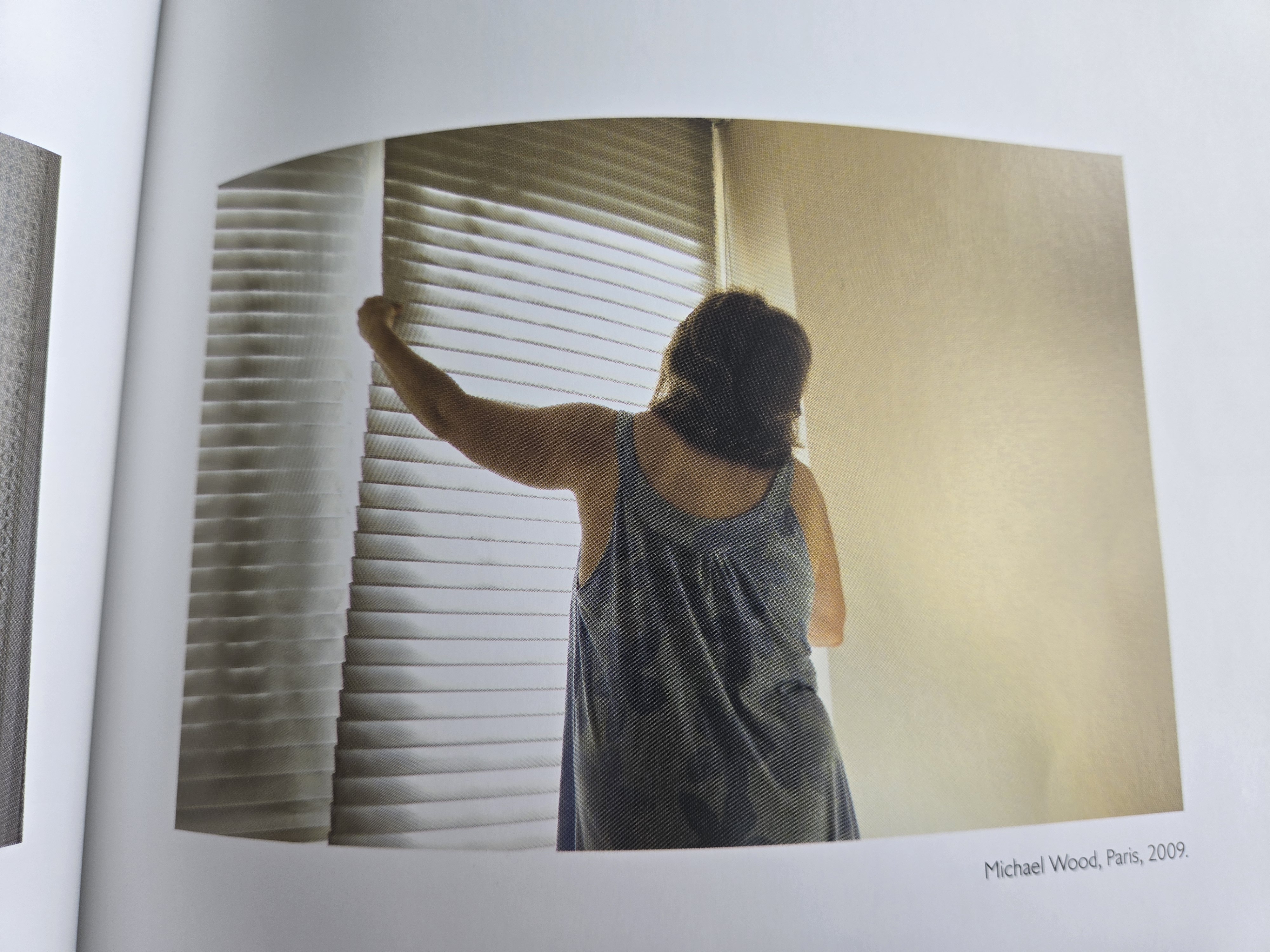
People often associate the creative process with dressing up reality to make it “art”. But reality doesn’t need to be dressed up. Find reality in the very simple and elegant way that they are.
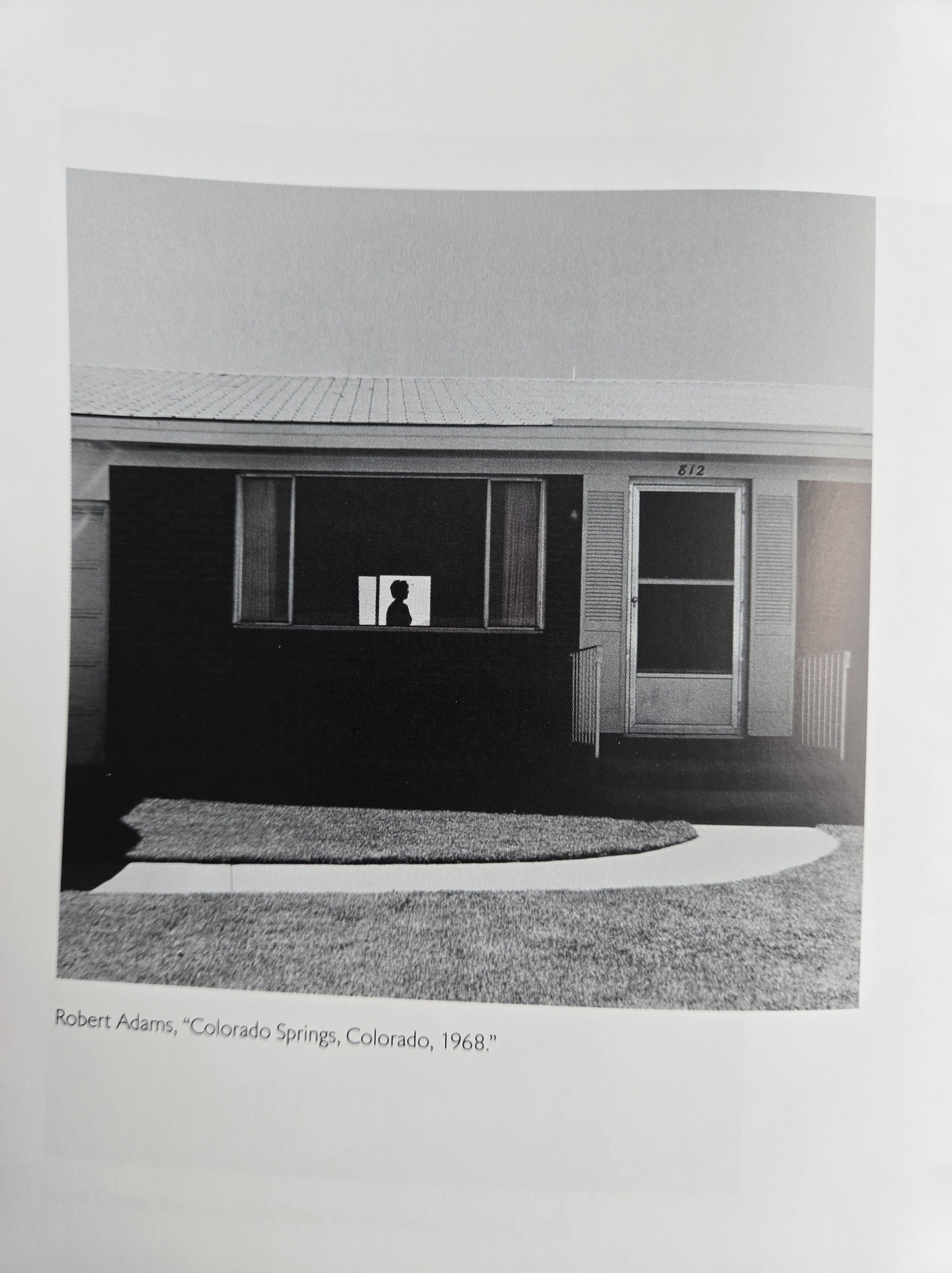
“Art” is considered as a “self-expression”. I am no longer trying to “express myself”, to impose my own personality on nature, but without prejudice, without falsification, to become identified with nature, to see or “know” things as they are, their very essence, so that what I record is not an interpretation.
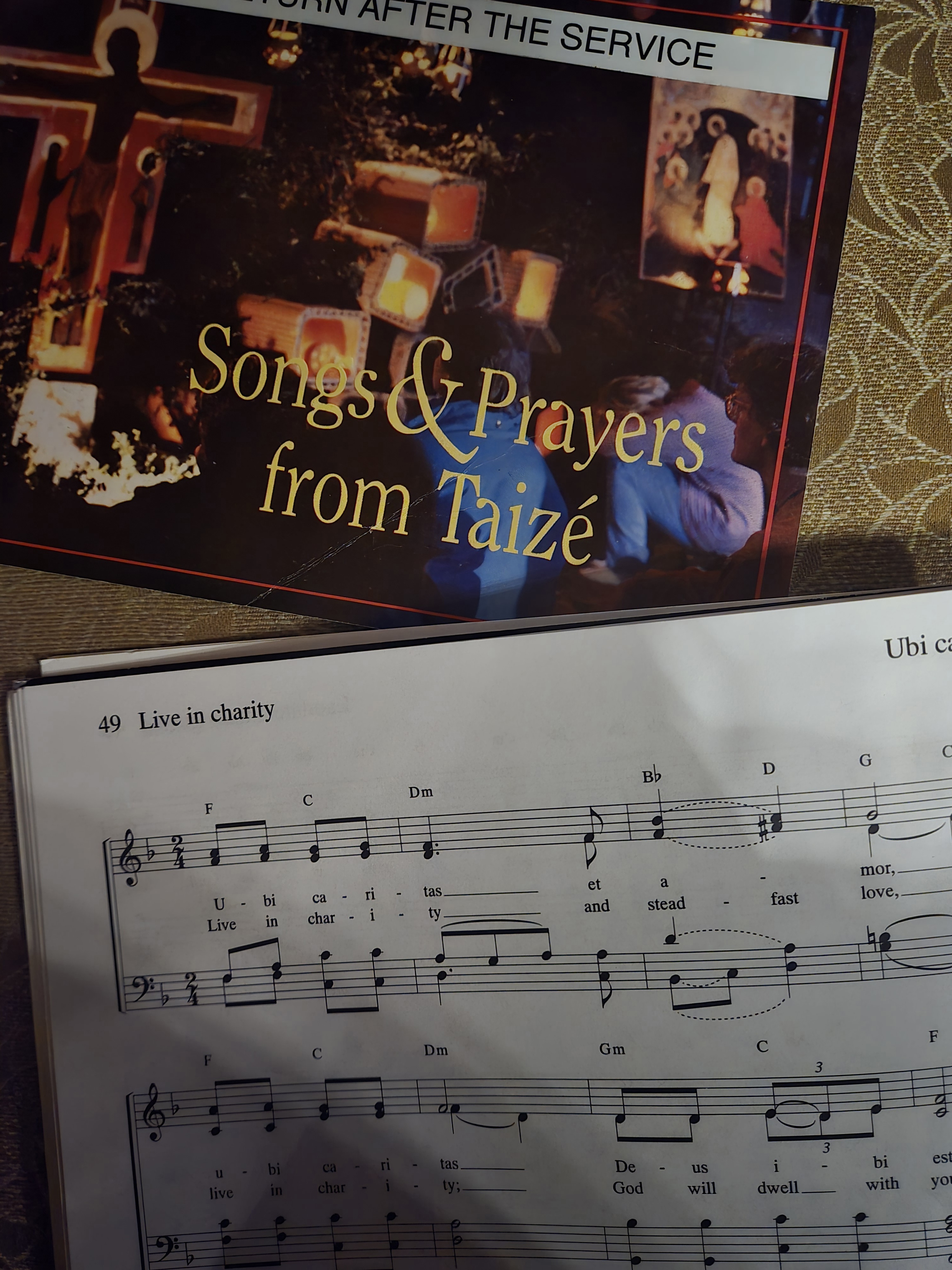
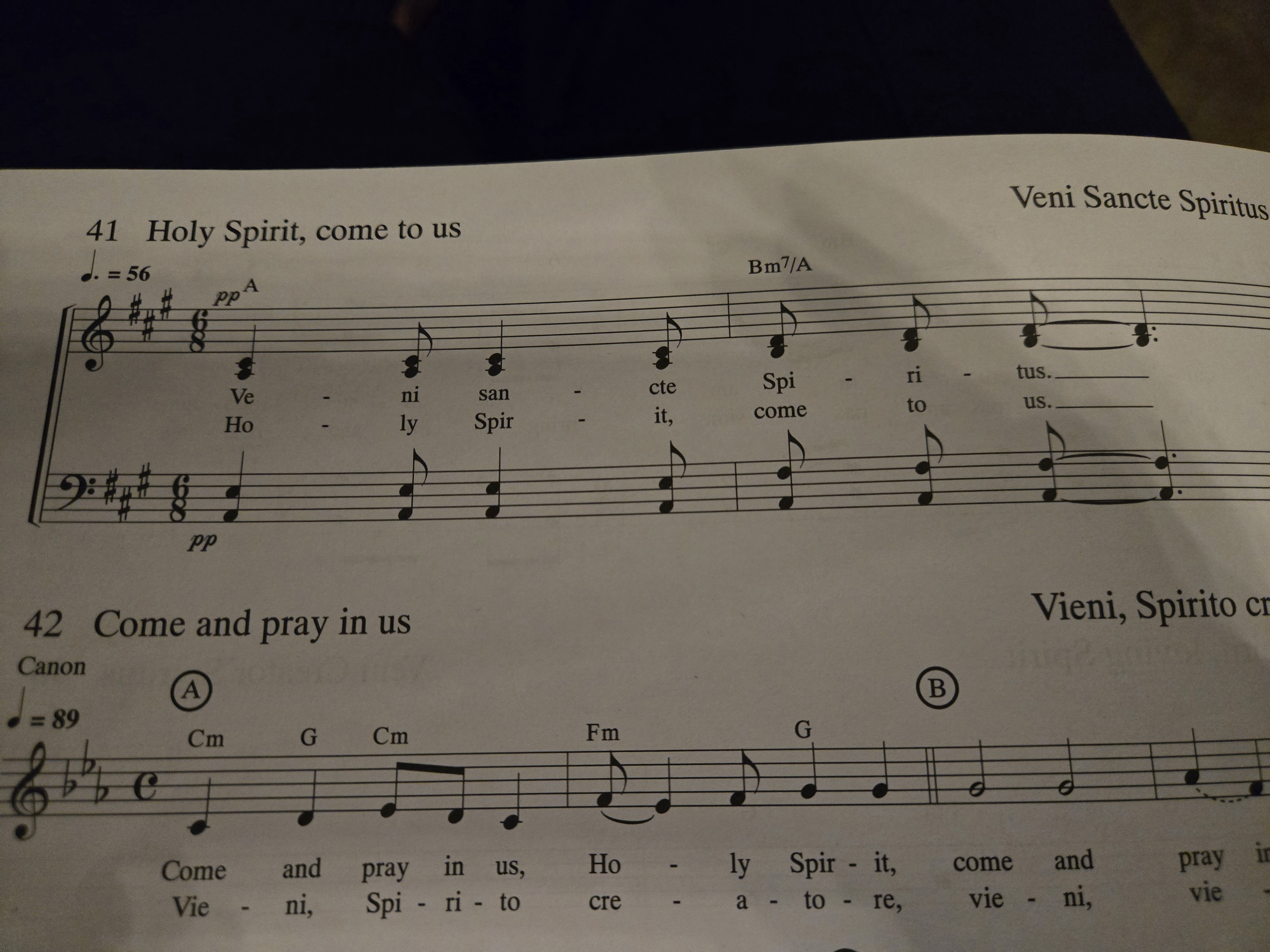
Taizé
The book The Wisdom Jesus and a parish member of St. Mark’s in Port Hope led me to this ancient singing practice. Taizé prayer uses repeated chants, harmony, Scripture and extended silence. There are at least two churches in Toronto who offer Taizé services.
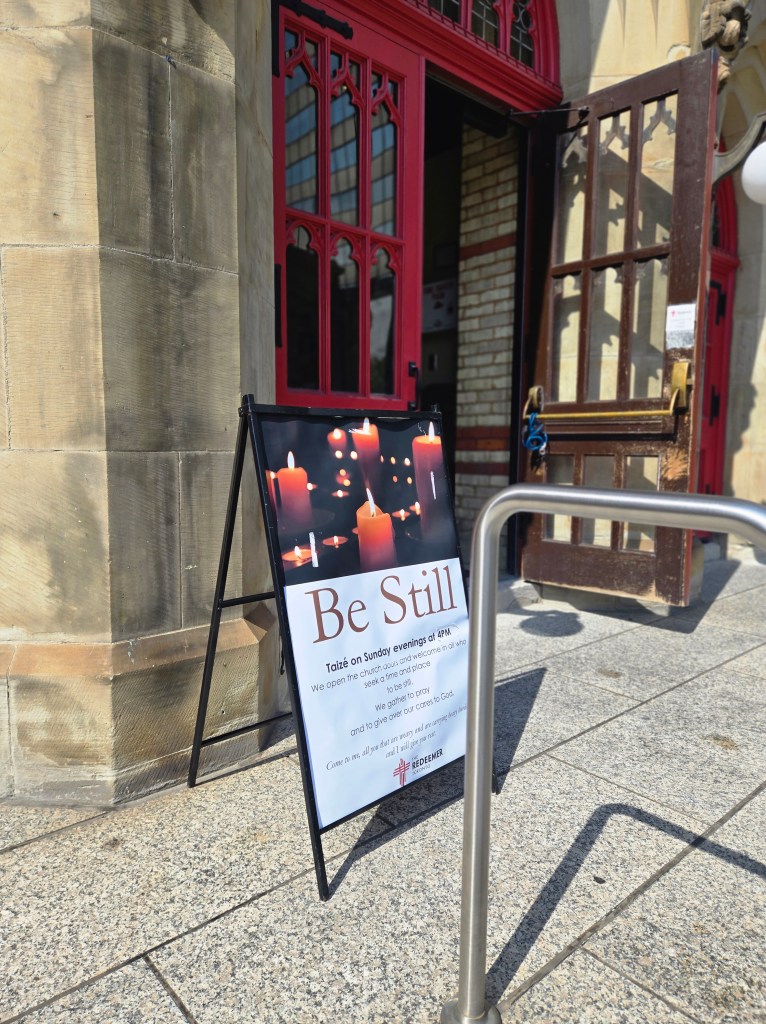
Taizé is stillness and singing practised with other people.
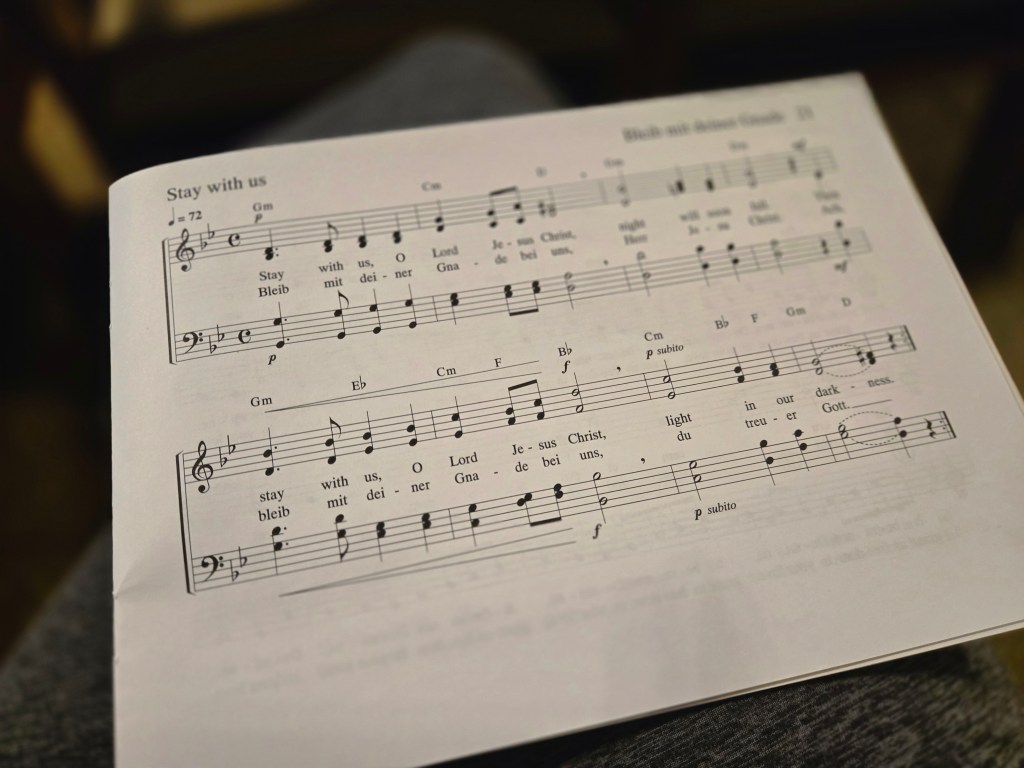
Taizé is often sung repeatedly in different languages. Many chants are in English.
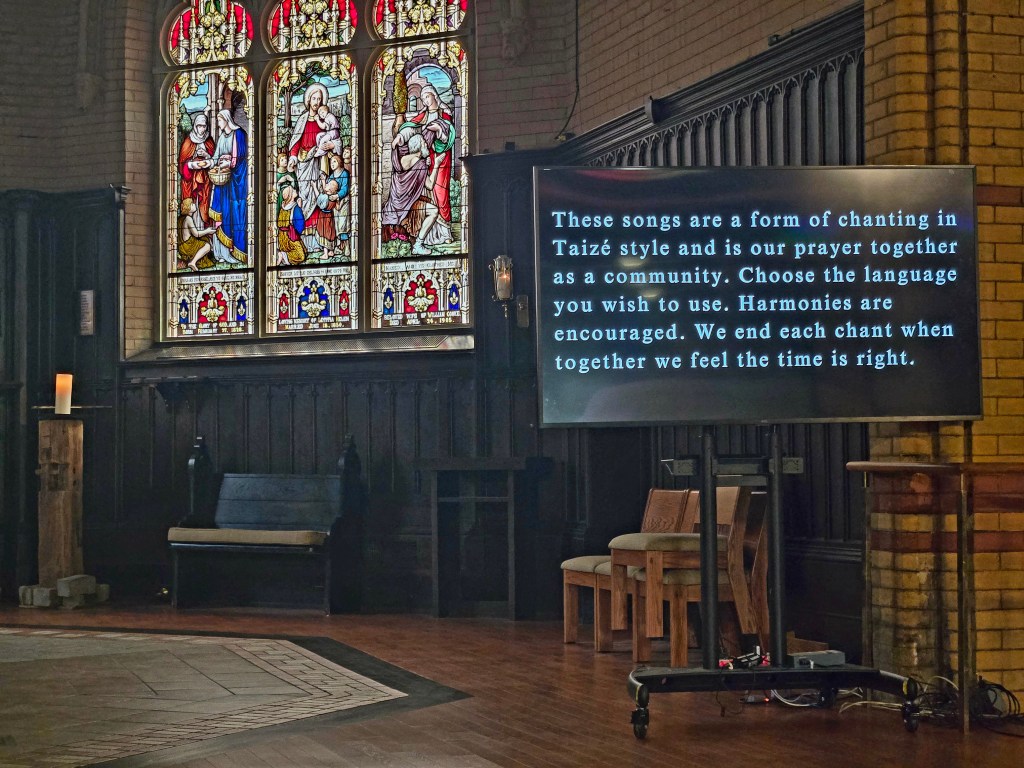
During one session, I became so still that a fly landed on me and stayed.
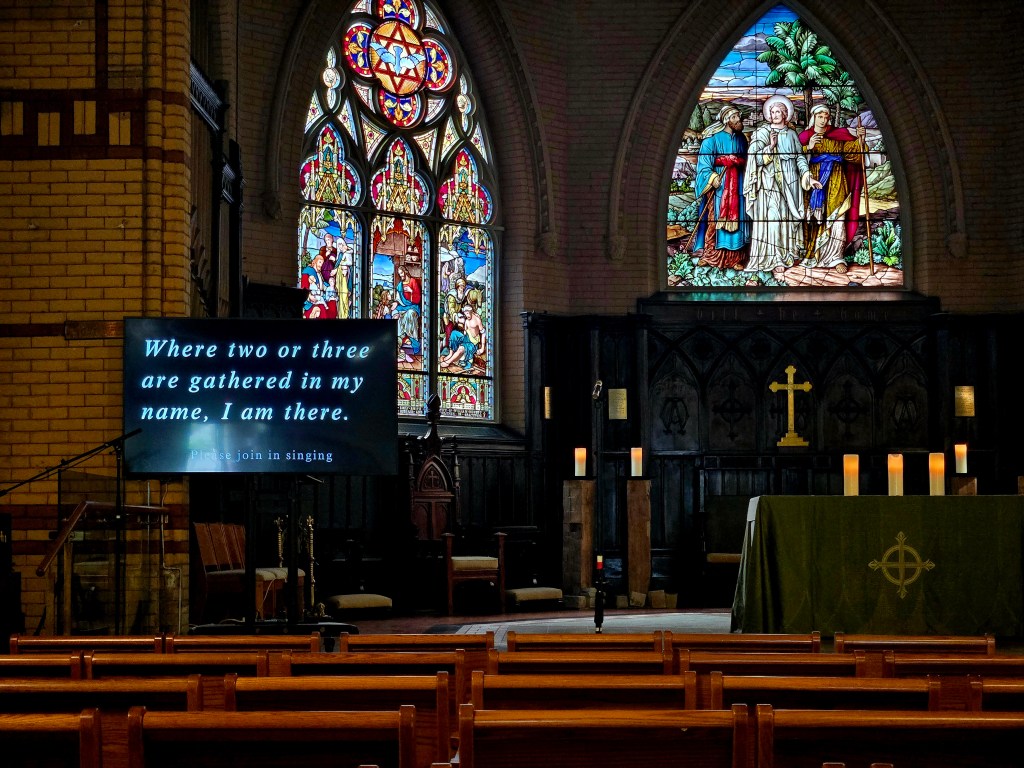
“Where two or three are gathered in my name, I am there.” (Matthew 18:20)

Swimming
August has been the month of swimming. I have worn a bathing suit almost every day so I can sneak in a pool swim whenever an opening appears. Consulting work and artistry both leave me seated, hunched forward and intensely focused. My body has needed expansion, restoration, weightlessness and fun. Water is my element. Nothing brightens my day like being near water, surrounded by it, and under it.
But before Obedience, Signals.
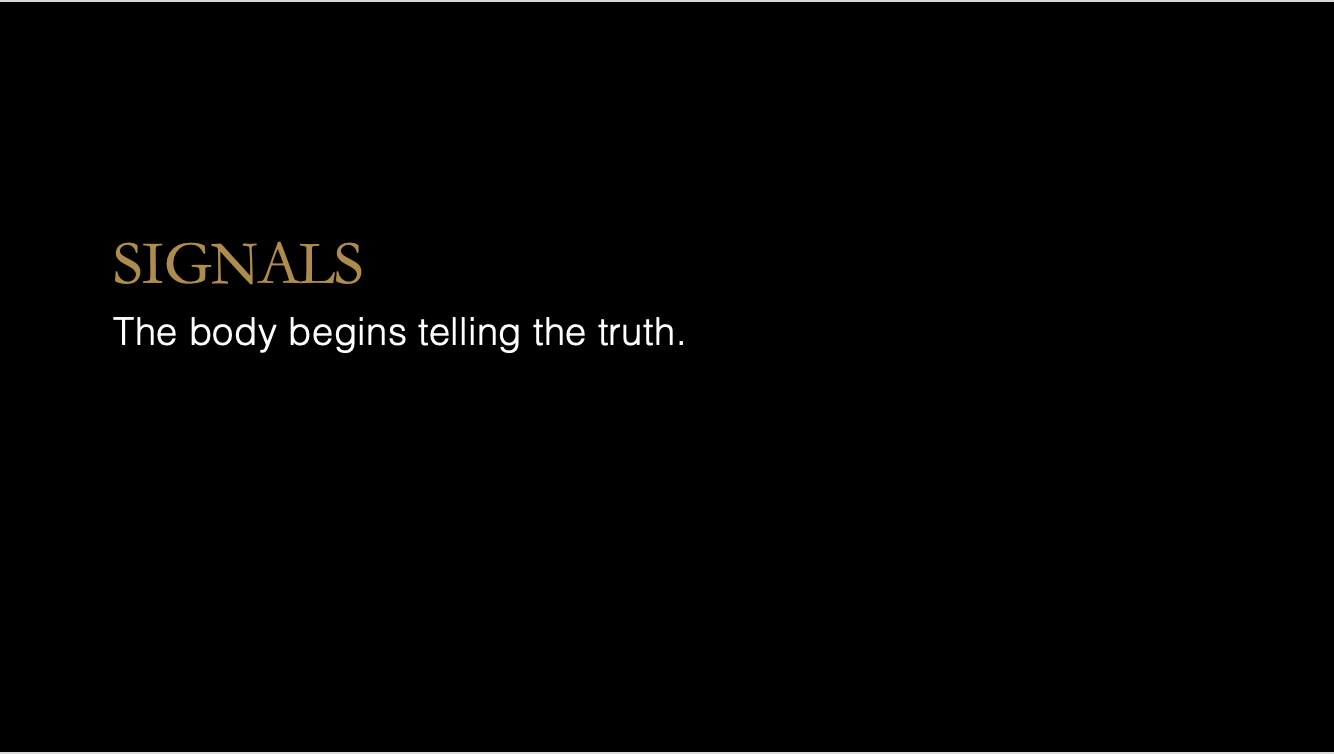
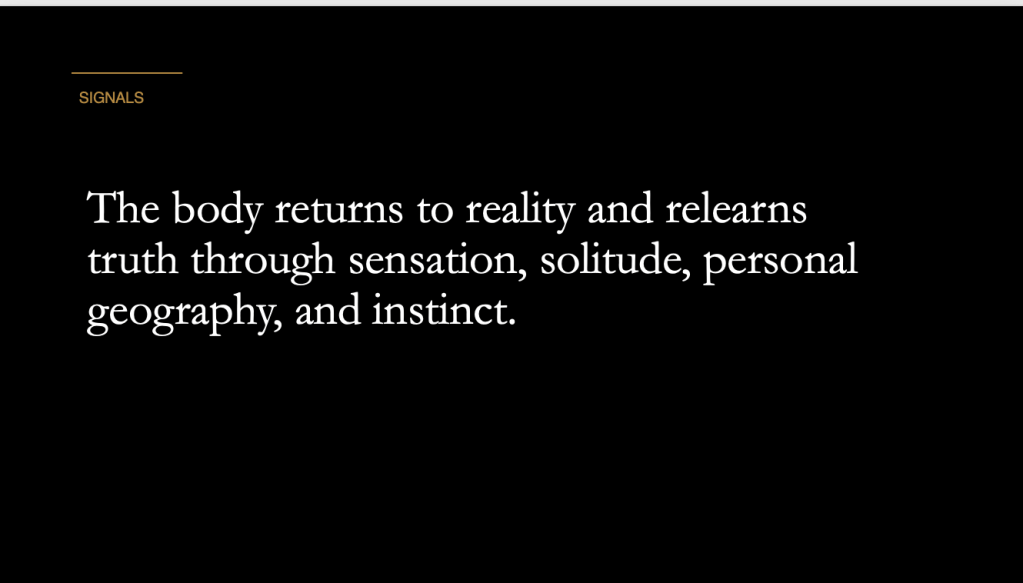
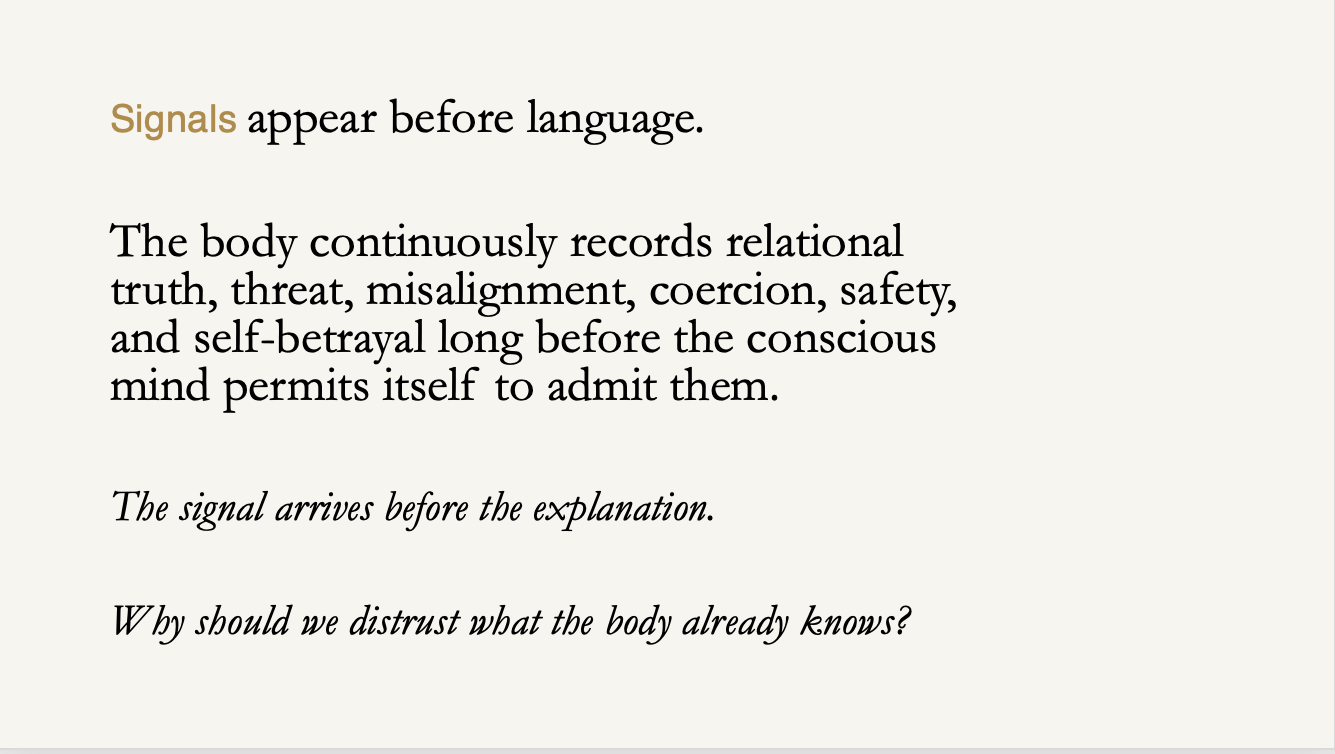
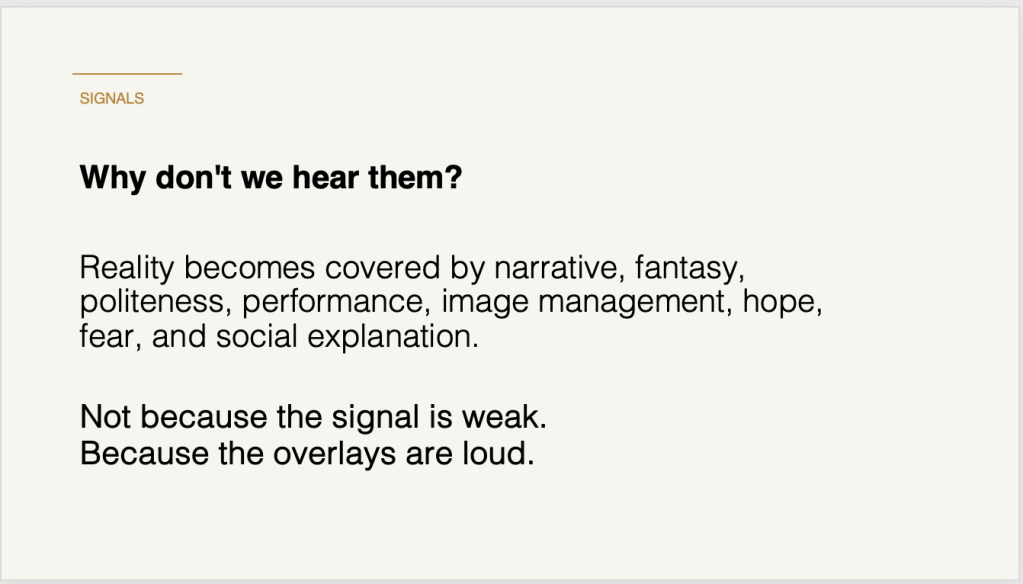
The Signals Compositions
Today the seven Signals compositions came back printed and framed.
Seeing them physically together changed something. They stopped feeling like seven compositions I had been developing and started feeling like a body of work. The photographs, painted passages, text, colour and alternating black and white frames hold together far better than I expected.
Mostly, I am just very pleased with them. They look amazing. And for the first time, I can see Signals existing outside my computer and outside my head.

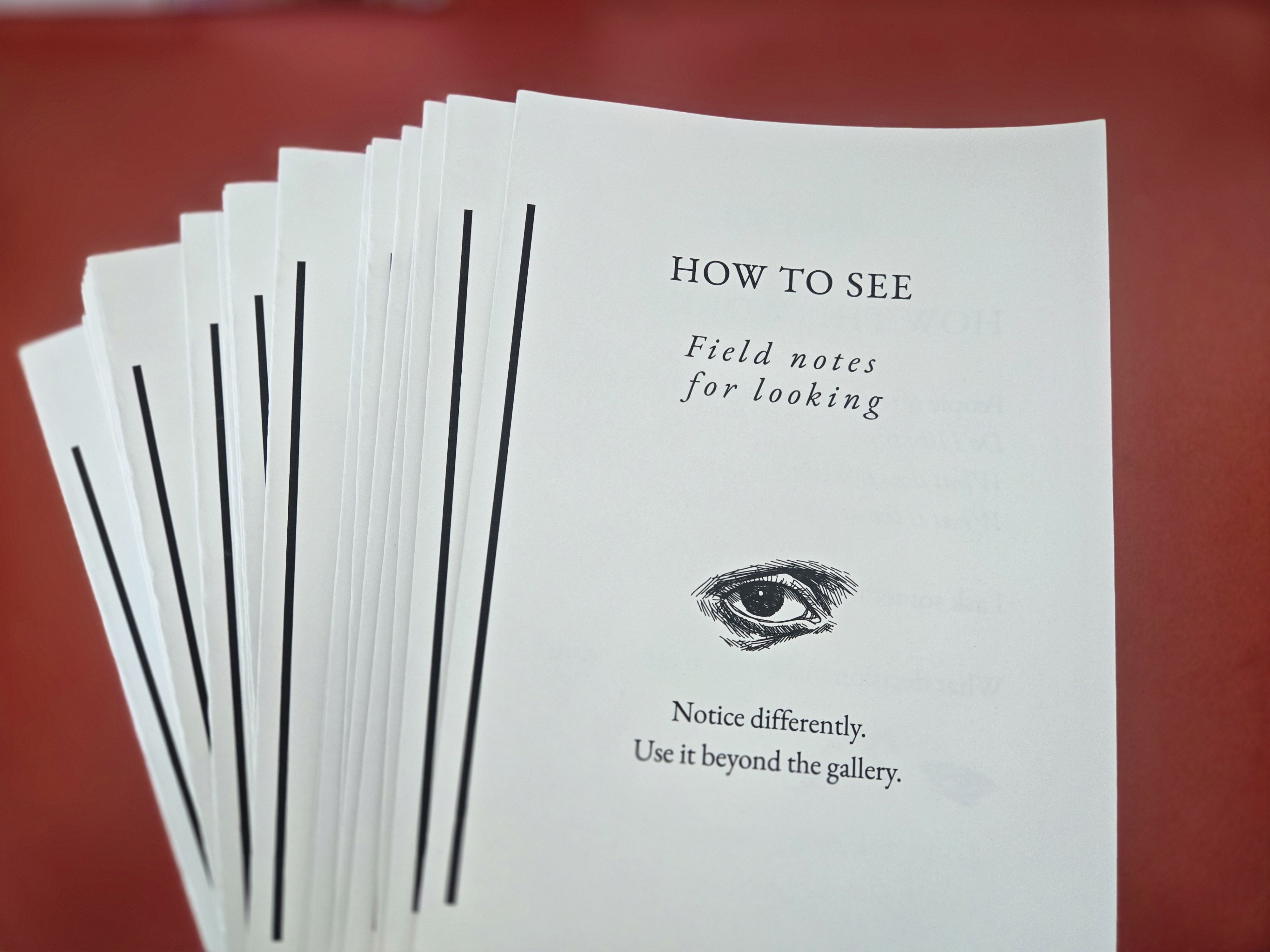
How to See
I created How to See, my own teaching concept and curriculum for learning from art. The booklet shares the method I use during self-directed field studies at the Art Gallery of Ontario: ask what decision is making the artwork work, then bring that answer back to your own work and life.
How to See will have its own station at the midpoint event. Guests can take a copy home, visit a gallery and do what I do.
Soundtrack
Added this month:
- Taizé
September 2026
The work is discipleship.
In My Train Era
2026 has been the year of small trips on the GO Trains and Via Rail to more secret places. Well, these places aren’t literally secret, they are quite well-known cities and towns, but they were places of refuge during the residency.
My bed, positioned in my East End high-rise condo, faces Lake Ontario in the far distance, and in the foreground, the railway tracks. The faint sound of the train bell rings occasionally, its friendly and inviting tone, calling me.
August and early September were heavy months, work-wise, including a work trip to Montreal (by train, accompanied by my son), but these weeks were incredibly productive and rich for the Secret Places Residency.
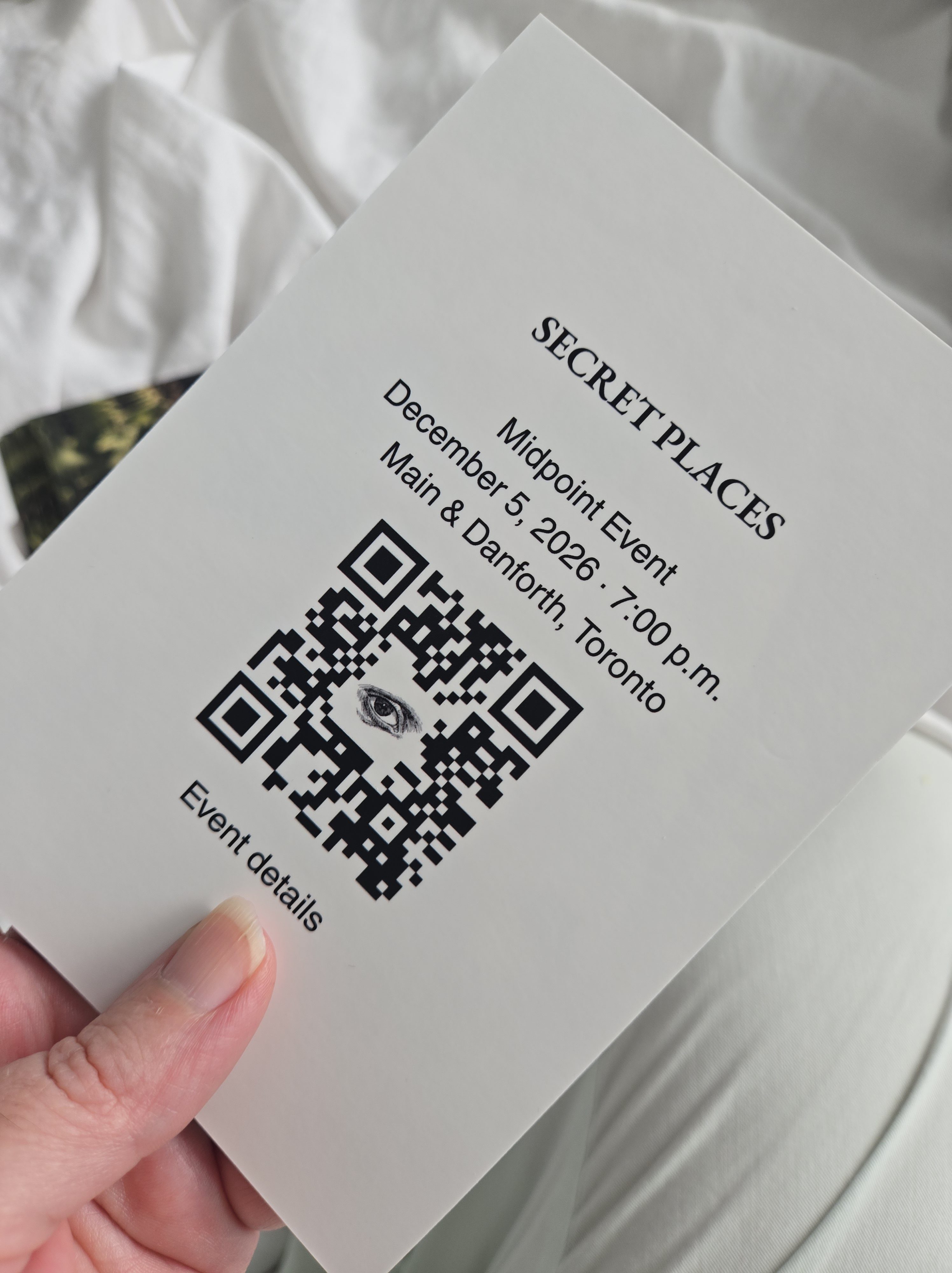
The Event is Booked
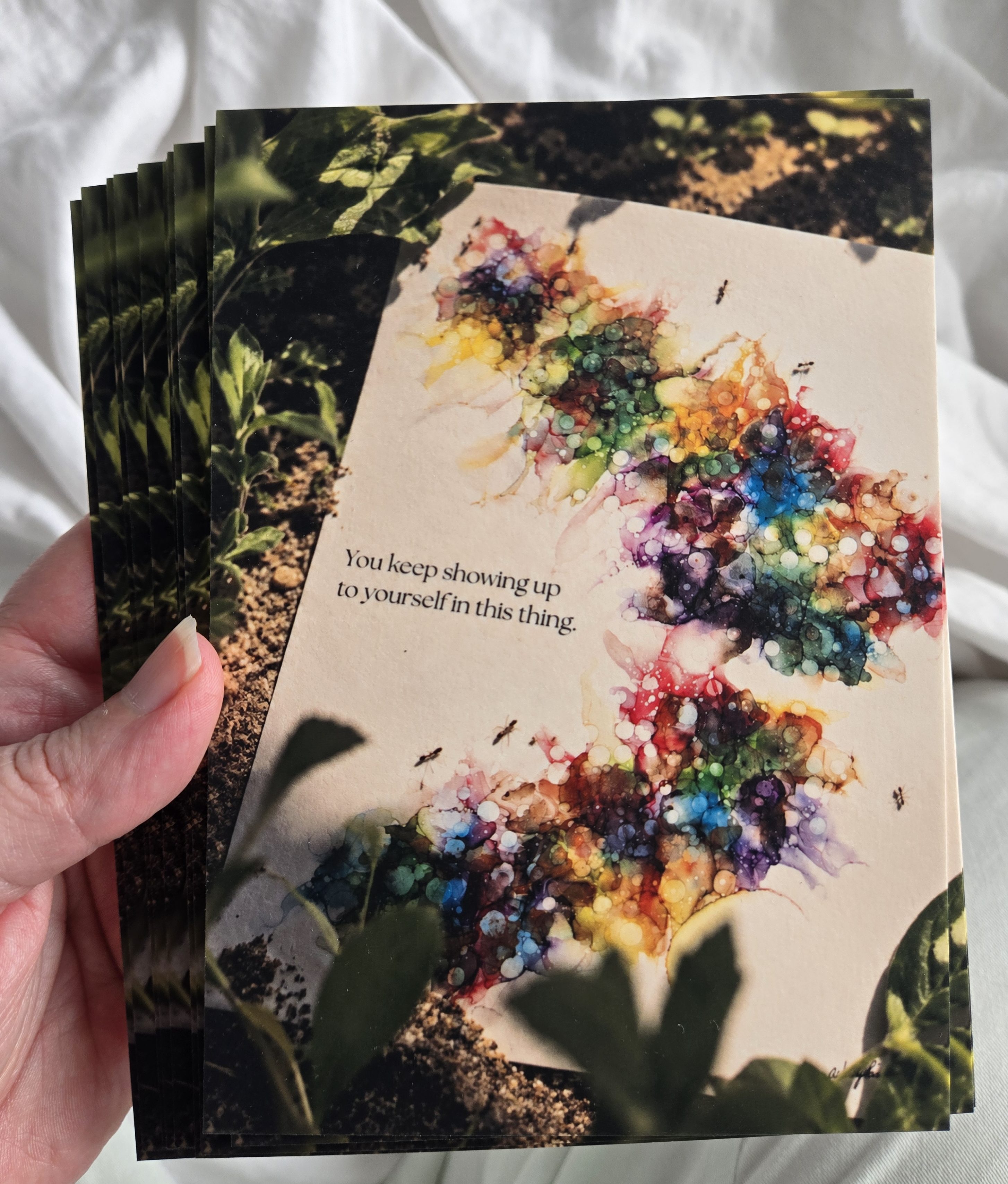
With the framed Signals compositions hung on my walls, ready for an audience, I knew one would be ideal for the cover of the event invitations. This one in particular; You keep showing up to yourself in this thing, is the most cheerful and mysterious.
I began handing them out to my friends when we connected. I have space for 20 guests. I booked the event space in my condo and created the event page and FAQs on my website.
Sabbath in the City
Family

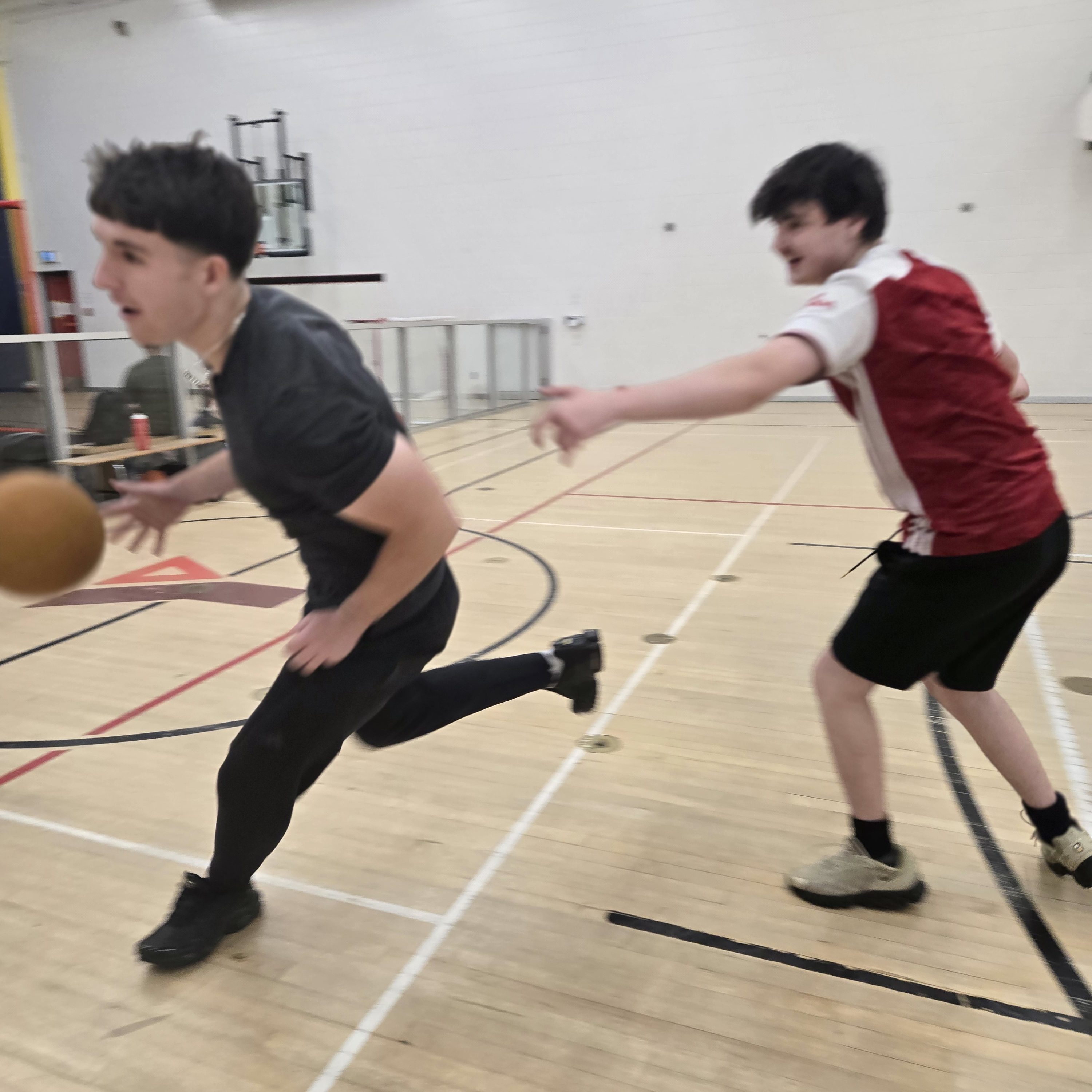
Fitness
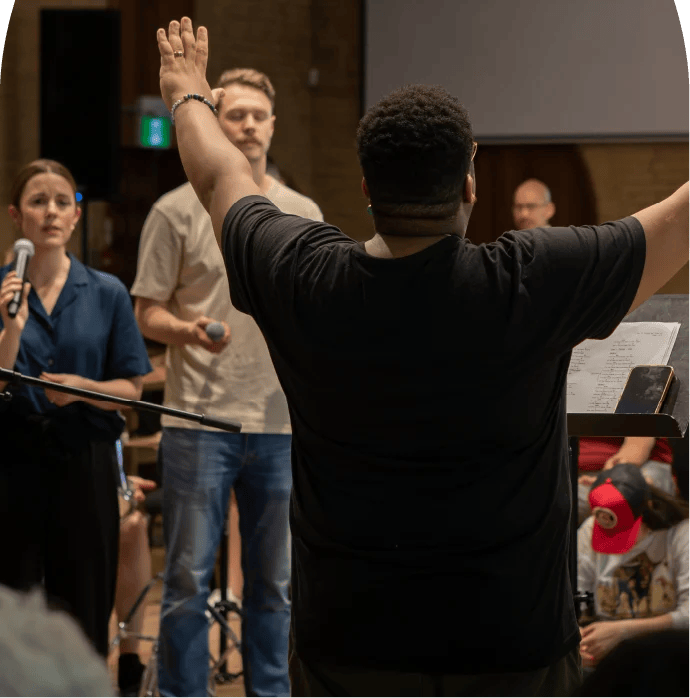
Faith
Sharing the Witness Essays
I’ve shared four of the seven Witness essays I’ve written, so far only on Facebook.
I post one every three weeks, on a Sunday morning, with a featured image that helps convey its central idea. They’ve been a good way to introduce my friends and community to what Secret Places is all about.

Back in My Body
I could cry with gratitude for this God-given gift of the body. Even more than artistry, my truest nature is physical: health, wellness, agility, movement, everything somatic.
I spent two years folded into a C shape, reserving my energy for the intellectual horsepower my work required, neglecting the simple joys of walking to the gym at dawn, wearing comfortable clothes, working out, and swimming.
The pleasure of returning is enormous. I’m grateful for the time, the places, and the ability to use my body this way. Stretching feels like home again. At ecstatic dance, I am limber, melting into each move.
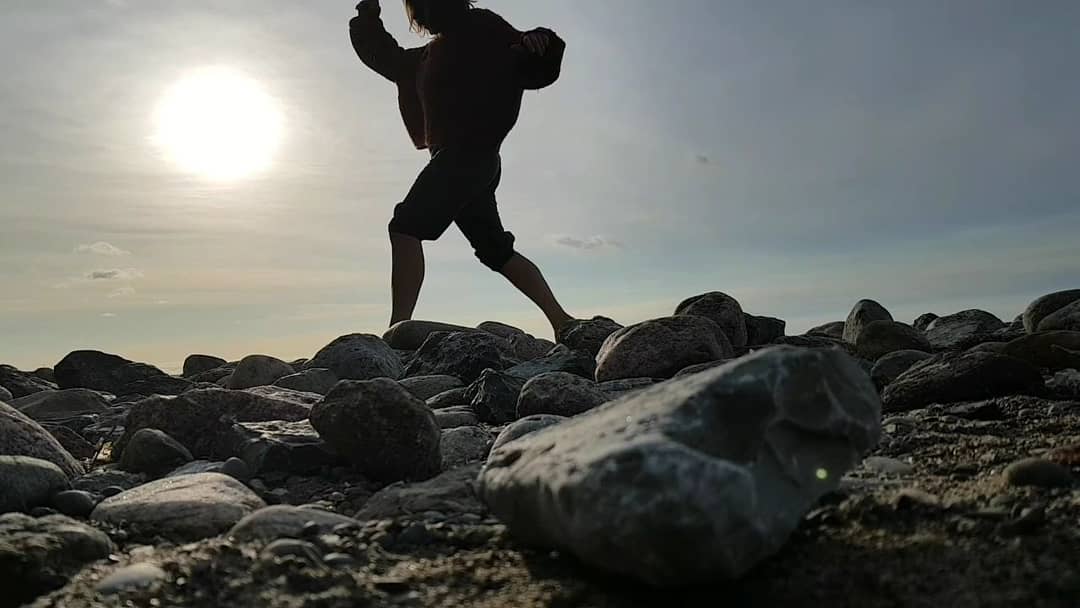
More Taizé
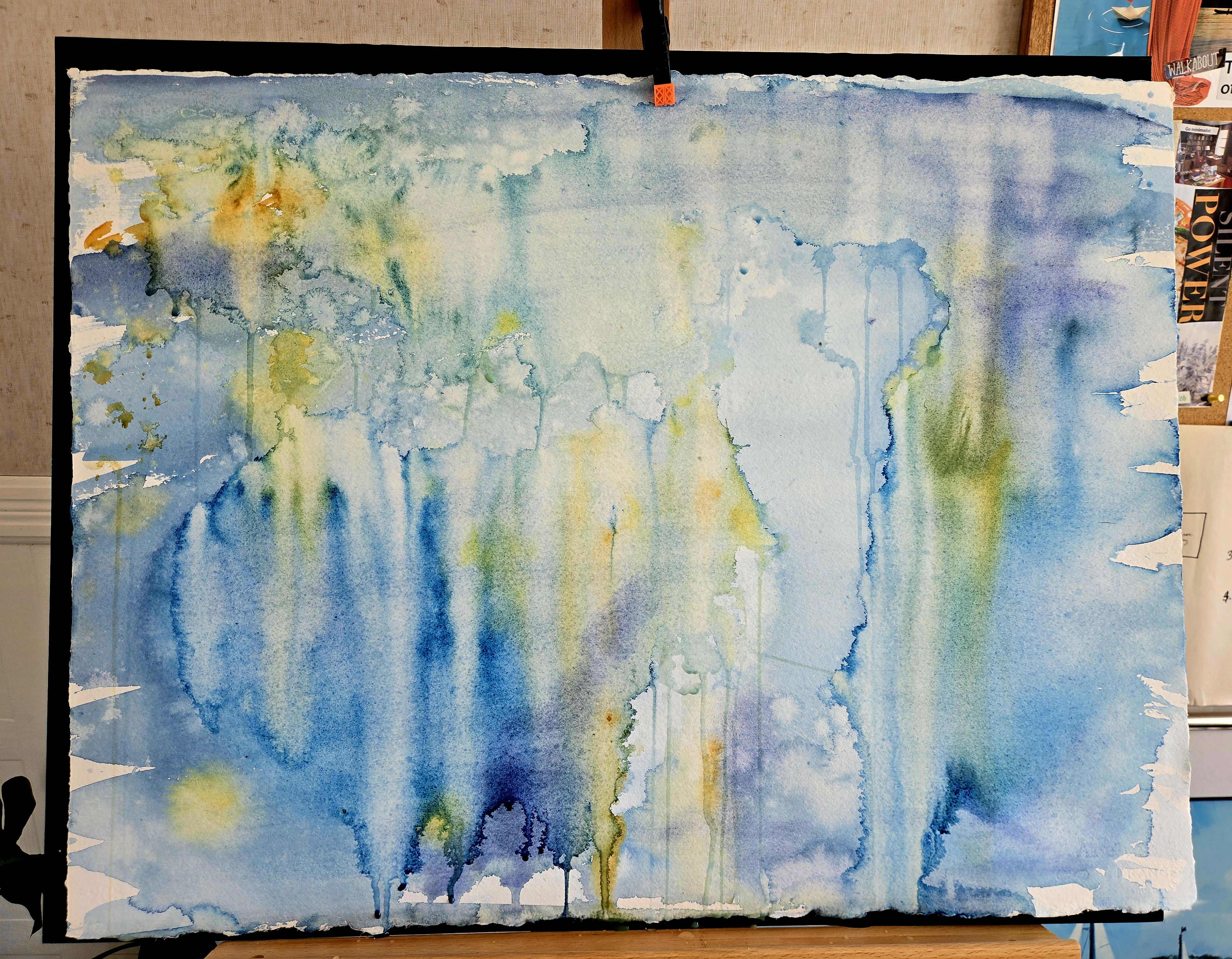
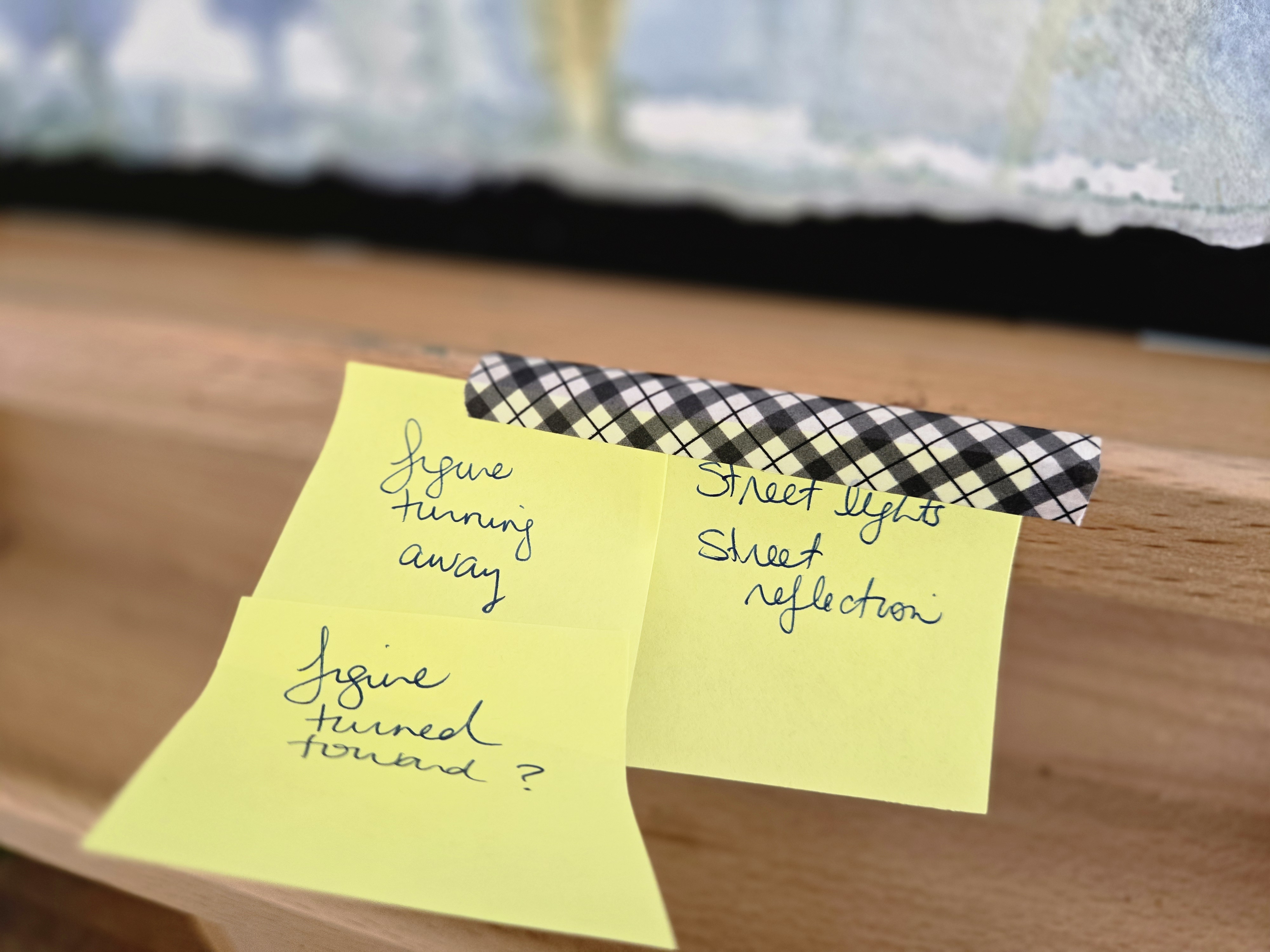
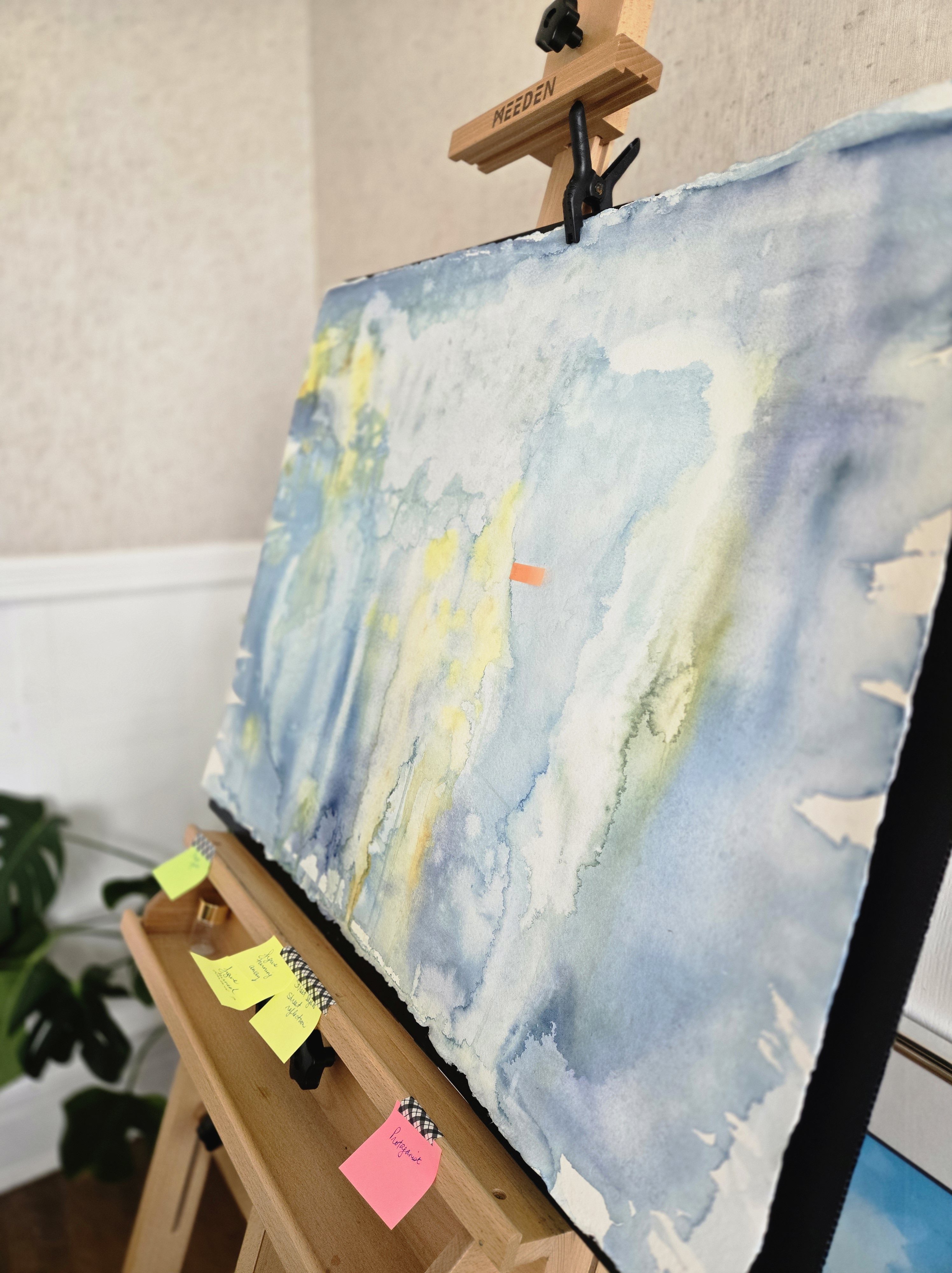
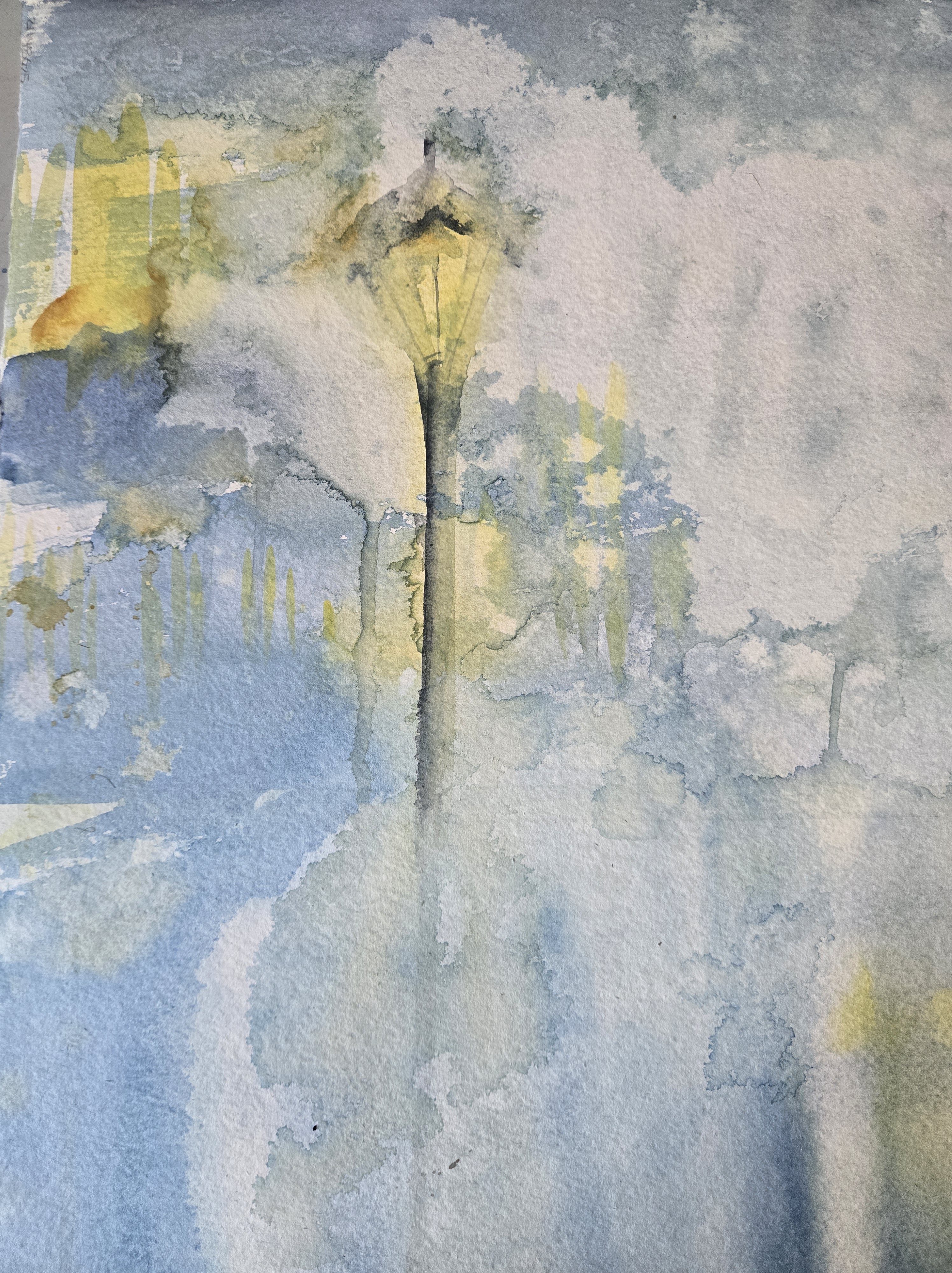
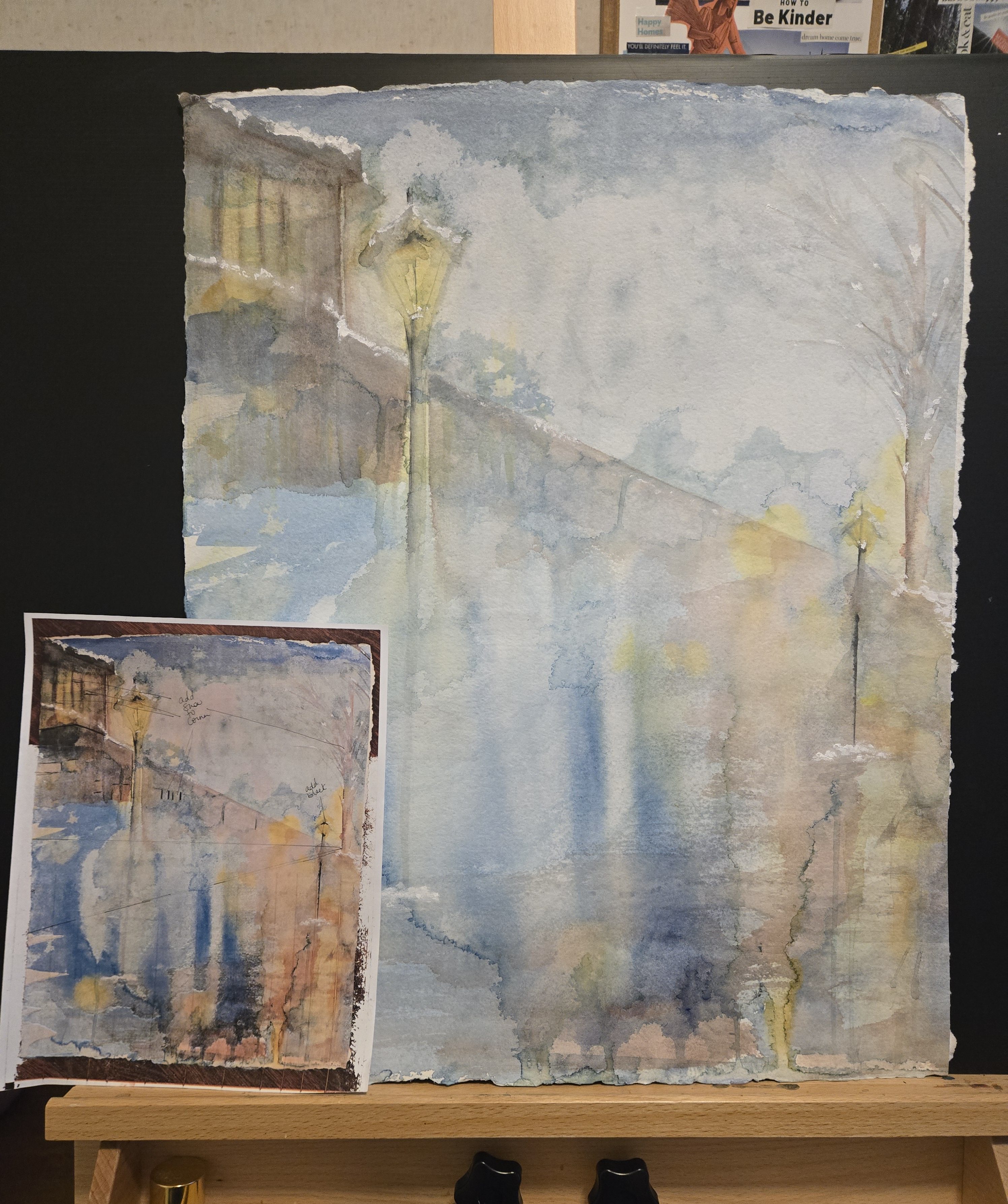
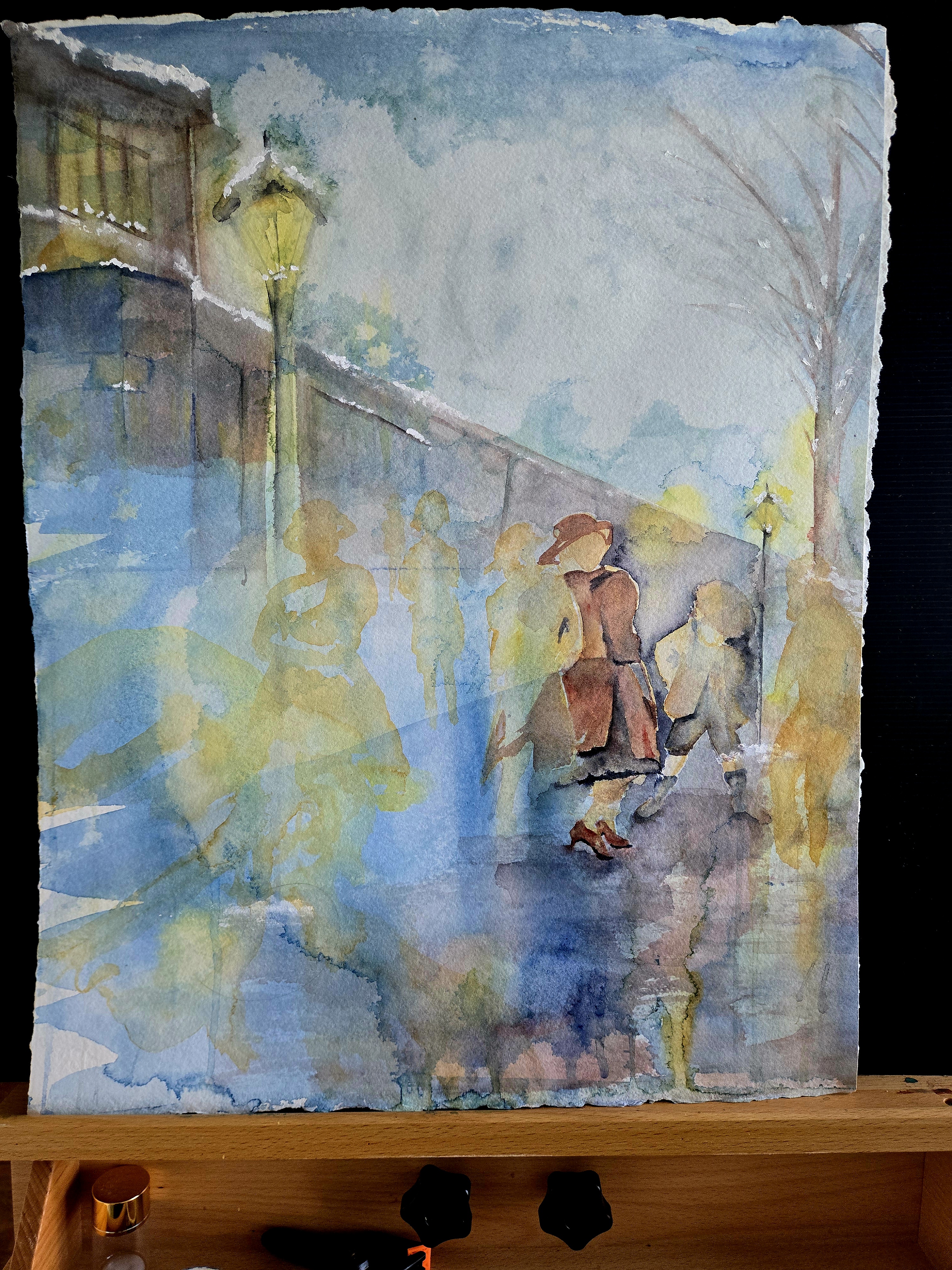
Painting “After Yes”
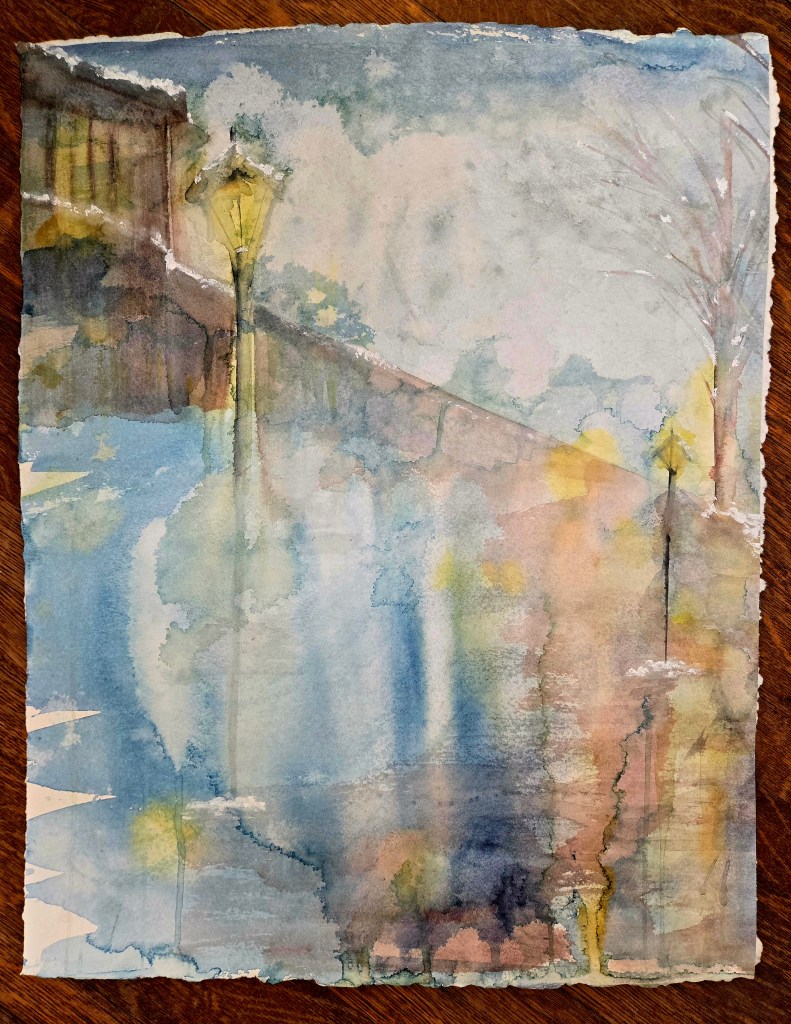
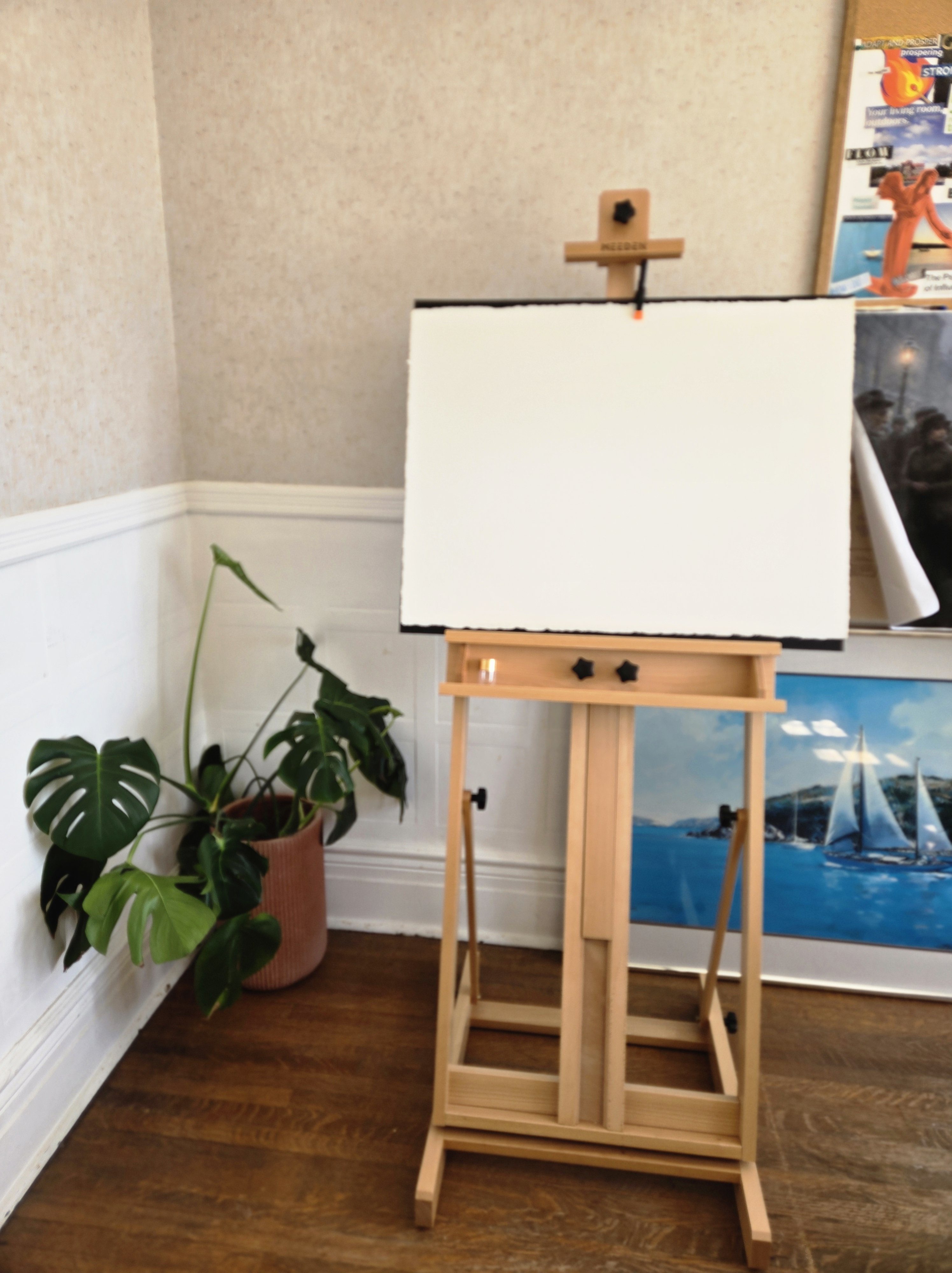
A full sheet of Arches rough watercolour paper, 22 × 30 in.
I start by reminding myself of the palette and the colour relationships.
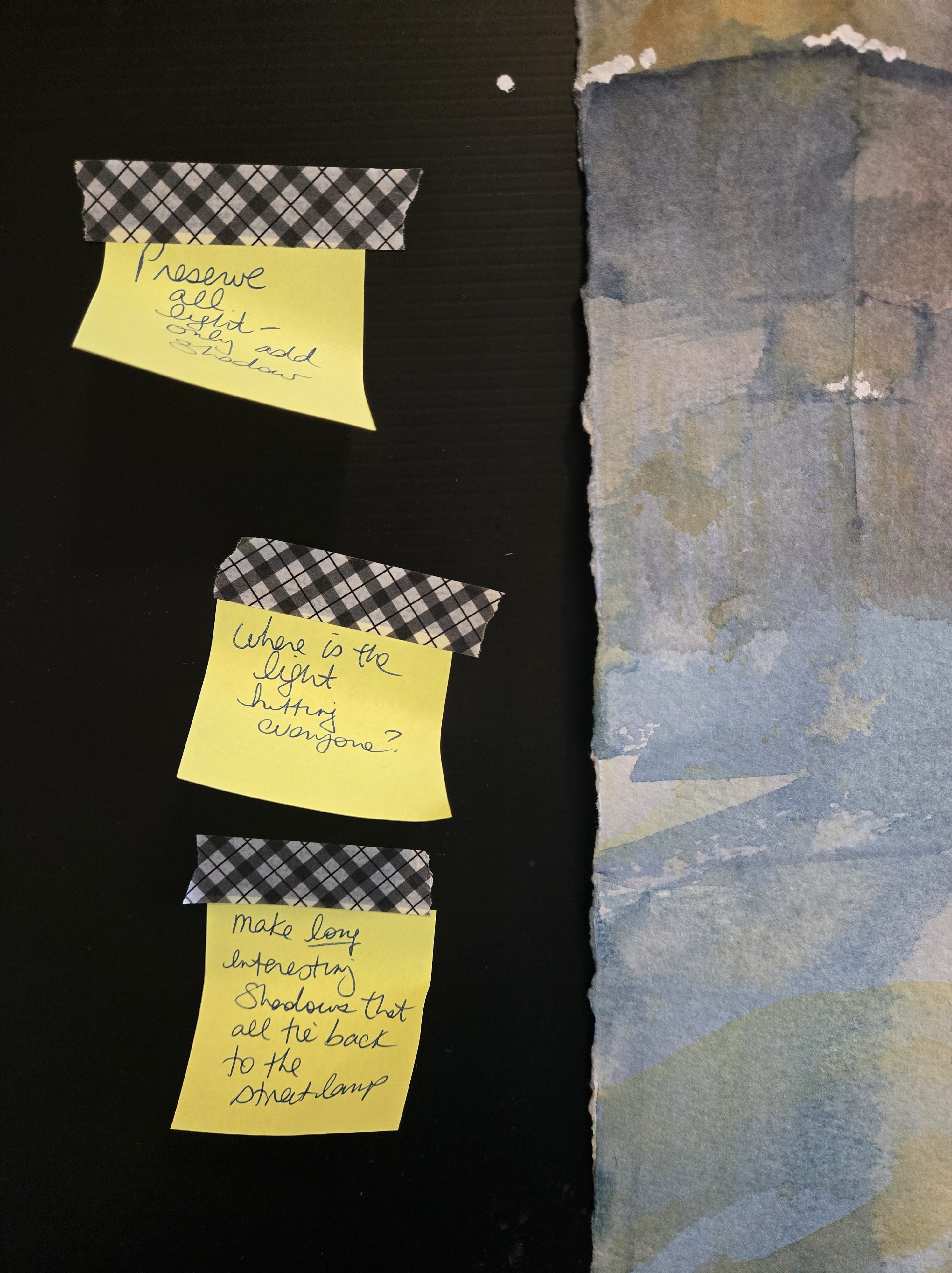
Scripture that drives “After Yes”
14 “You are the light of the world. A town built on a hill cannot be hidden. Neither do people light a lamp and put it under a bowl. Instead they put it on its stand, and it gives light to everyone in the house. In the same way, let your light shine before others, that they may see your good deeds and glorify your Father in heaven.”
Matthew 5
Matthew 4
20“At once they left their nets and followed Him.”
Matthew 7
13 “Enter through the narrow gate. For wide is the gate and broad is the road that leads to destruction, and many enter through it. But small is the gate and narrow the road that leads to life, and only a few find it.”
The Completed Painting
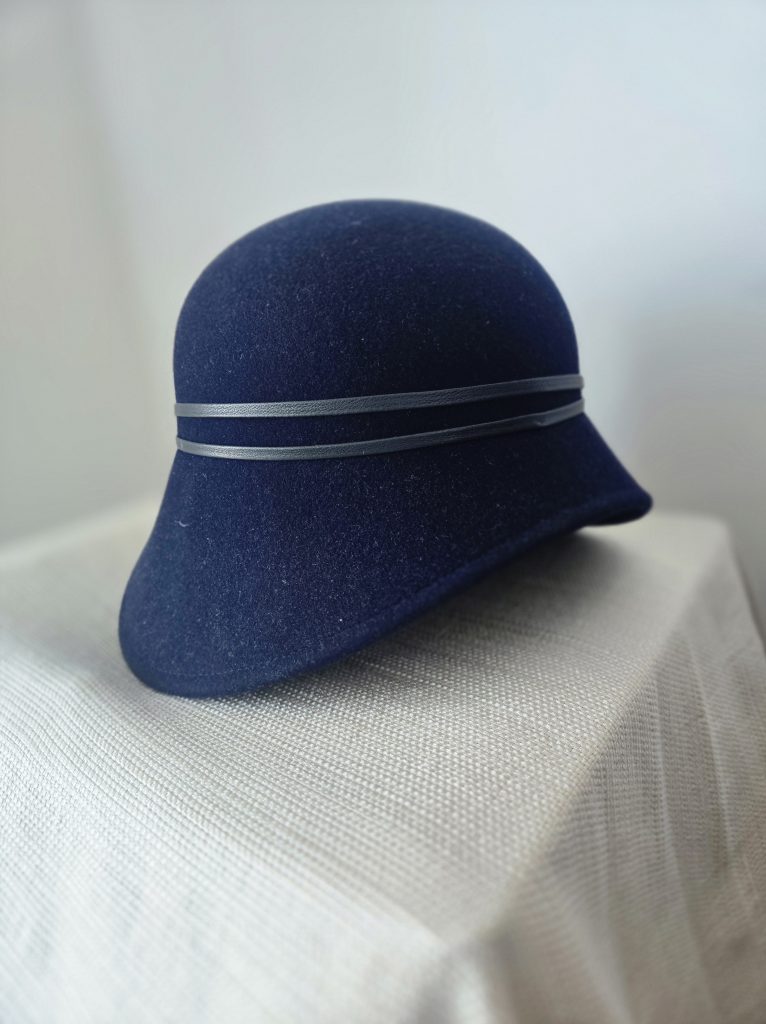
The painting known as After Yes is complete.
My goal was to finish it by the end of the month, and I did.
I don’t want to take a photo and post it here. I don’t believe a photograph would do it justice.
So instead, I’ll leave you with my hat, the one worn by the protagonist in the painting.
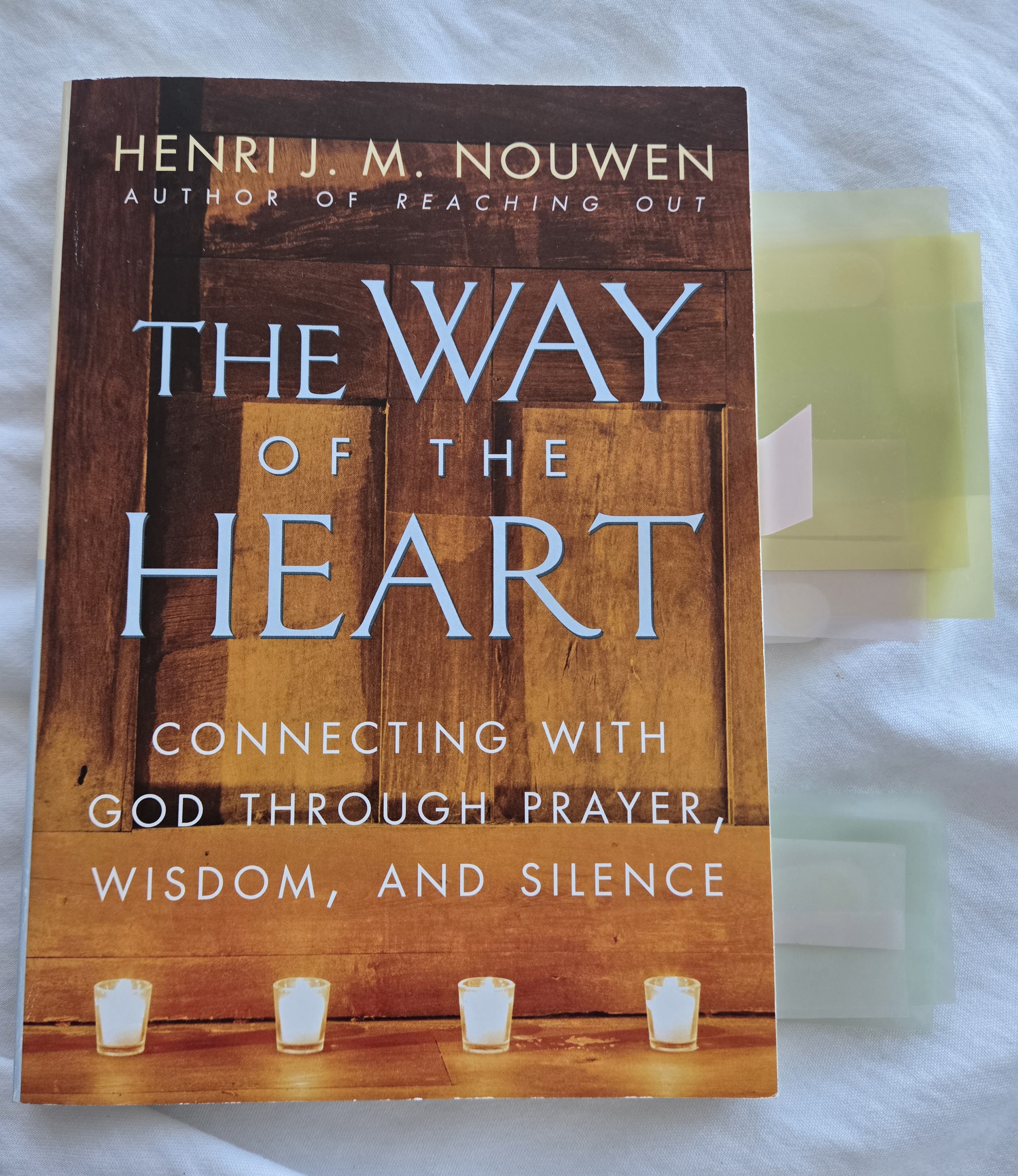
Reading: The Way of the Heart
by Henri Nouwen
The desert fathers didn’t say, “Look within and find God.” They said, “Stay put, refuse distraction, and let God address you.”
I am exceptionally good at being alone. Retreats, studio, travelling, hobbies, walking, reading, my condo, my own routines. None of that is particularly difficult for me.
Then along comes this book and Nouwen creates a problem:
What if being good at solitude can actually make holy solitude harder to recognize?
The desert orientation I extracted from Nouwen asks for something considerably less productive: remain, refuse distraction, and be addressed.
If solitude is really supposed to be formative, eventually there should be evidence outside solitude.
Did my solitude make me more free, more loving, more able to choose, or did it make me smaller and avoidant?
Quarterly Review
July to September 2026
Completing After Yes clarified the importance of staying true to a painting’s thesis. It also deepened my understanding of watercolour, particularly how to render figures while retaining the distinctive qualities of the medium.
The inquiry into goodness continued to develop, including its relationship to niceness and politeness, and how it is expressed in my everyday life. Questions of audience and interpretation became more relevant as the work developed and remain open as the series continues.
Fitness, movement, and sleep remained priorities, with particular success in maintaining a consistent sleep routine. Much of my artistic attention went to the characters in After Yes, each requiring careful rendering. With the painting completed, I’m satisfied with the result and ready to begin the next.
Soundtrack
Added this month:
- More ding-dings of the trains
October 2026
Synthesizing the Year
Canadian Art
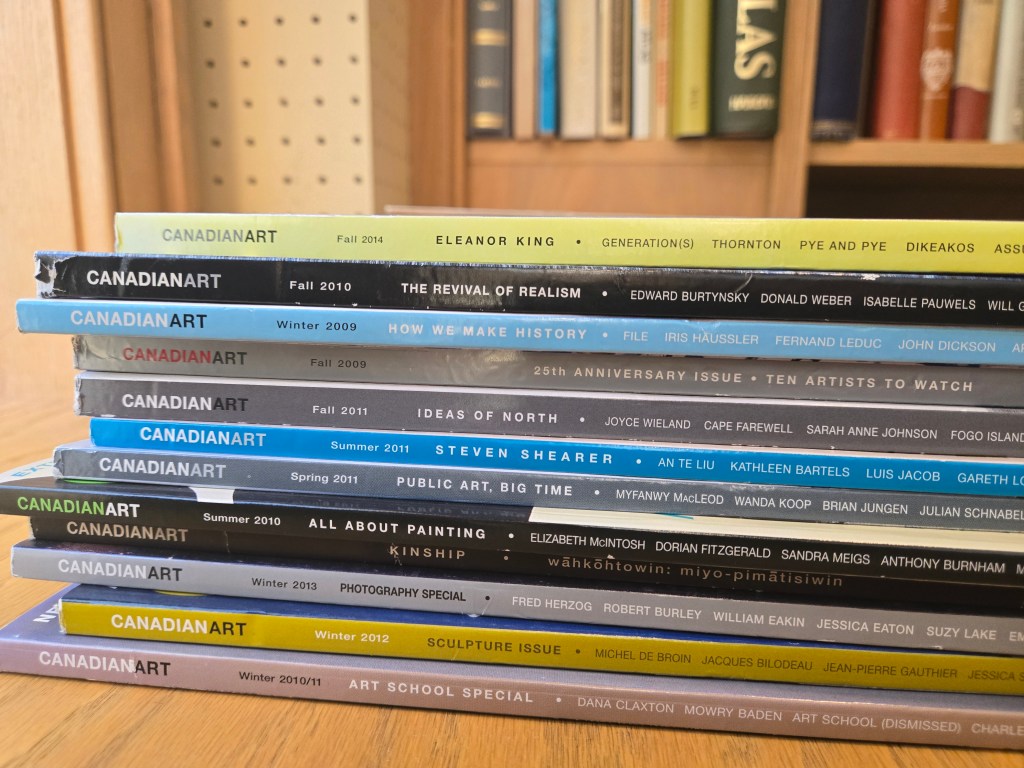
A stack of old Canadian Art magazines in Niagara brought publication into the picture for Secret Places. With attention on the paintings, essays, and Midpoint event, finding a wider audience has received less consideration.
There is work to do here: identifying suitable publications, reading what they publish, and making submissions. An individual essay could be a place to begin while the paintings and the larger residency continue to develop.
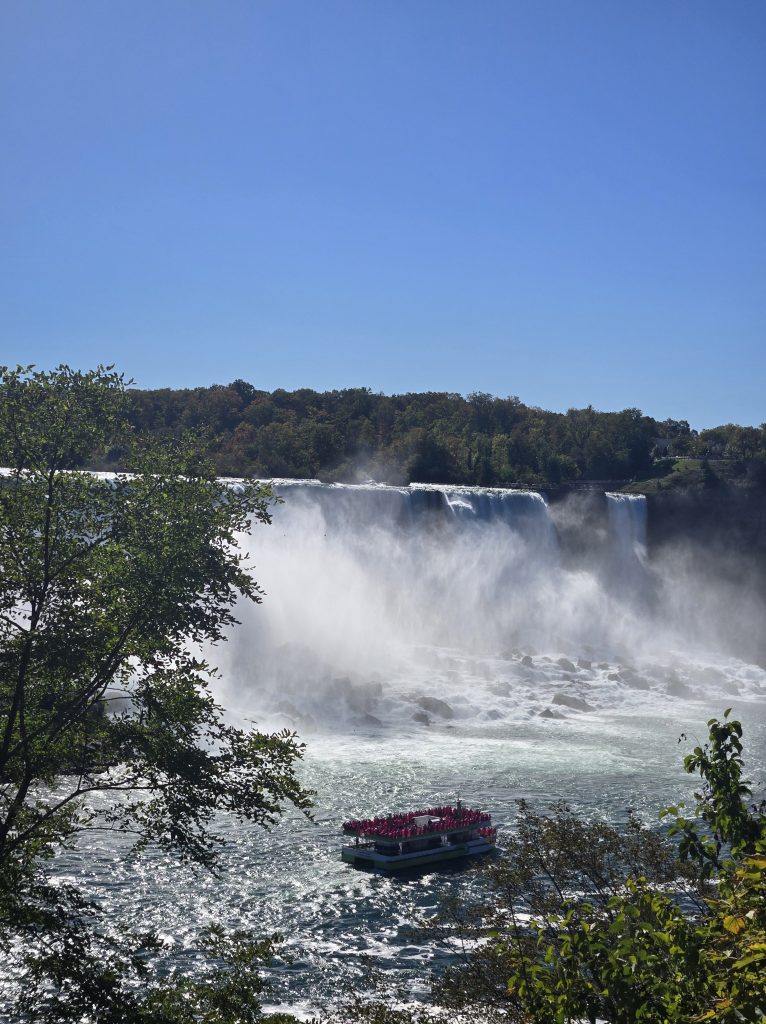
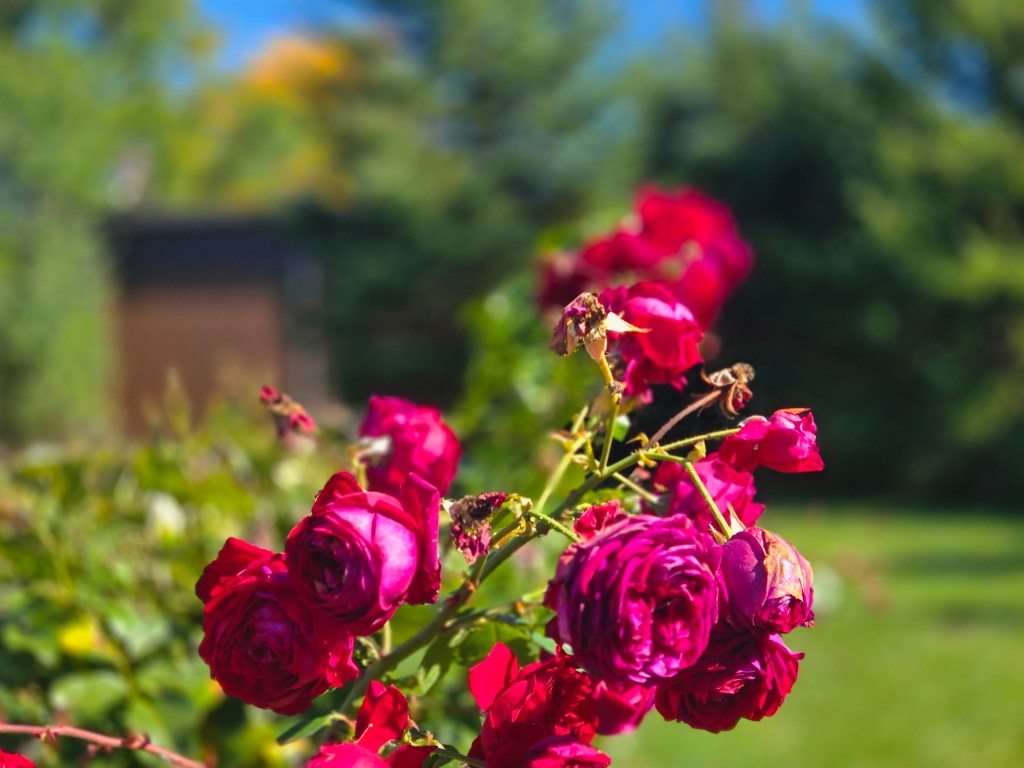
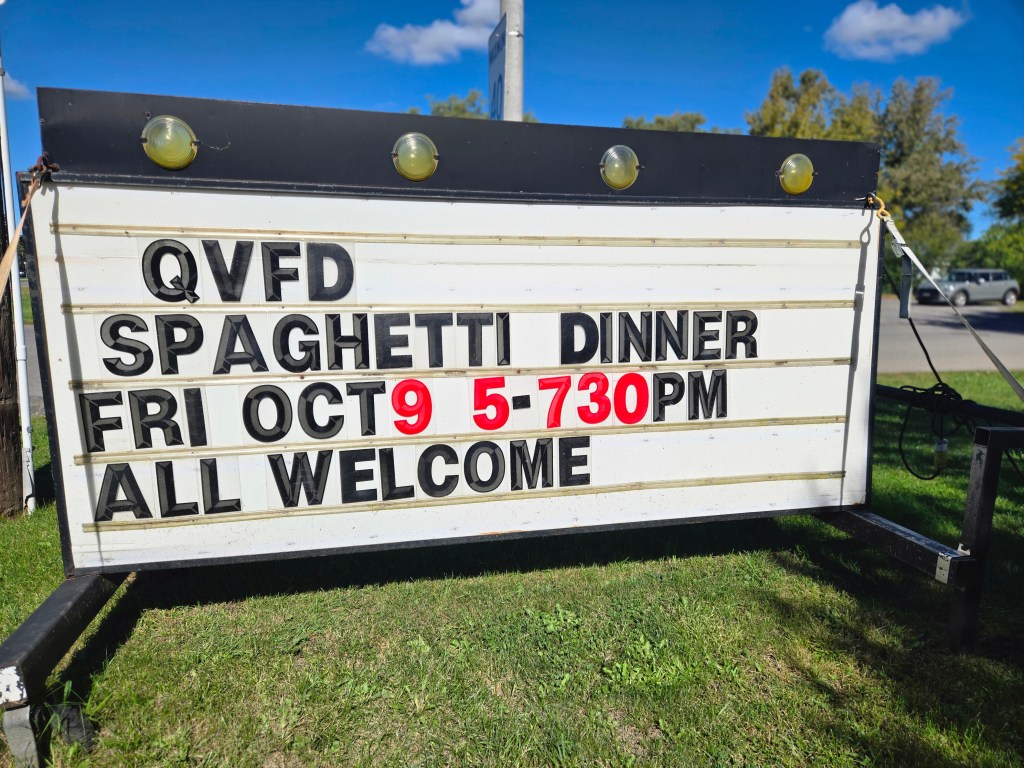
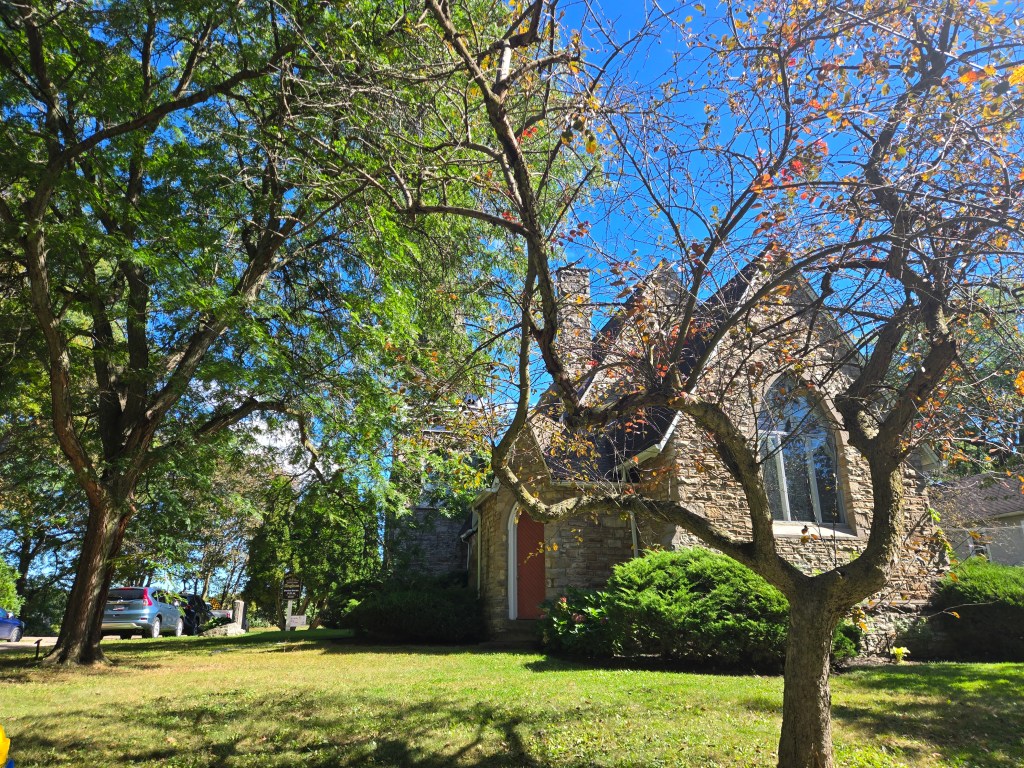
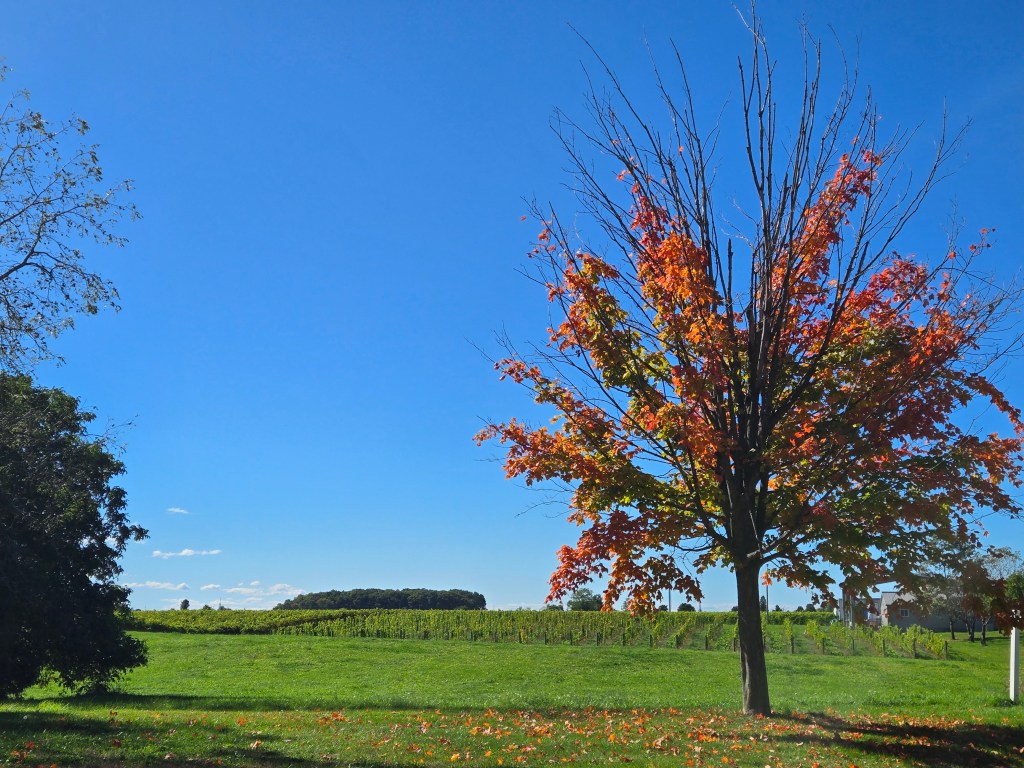
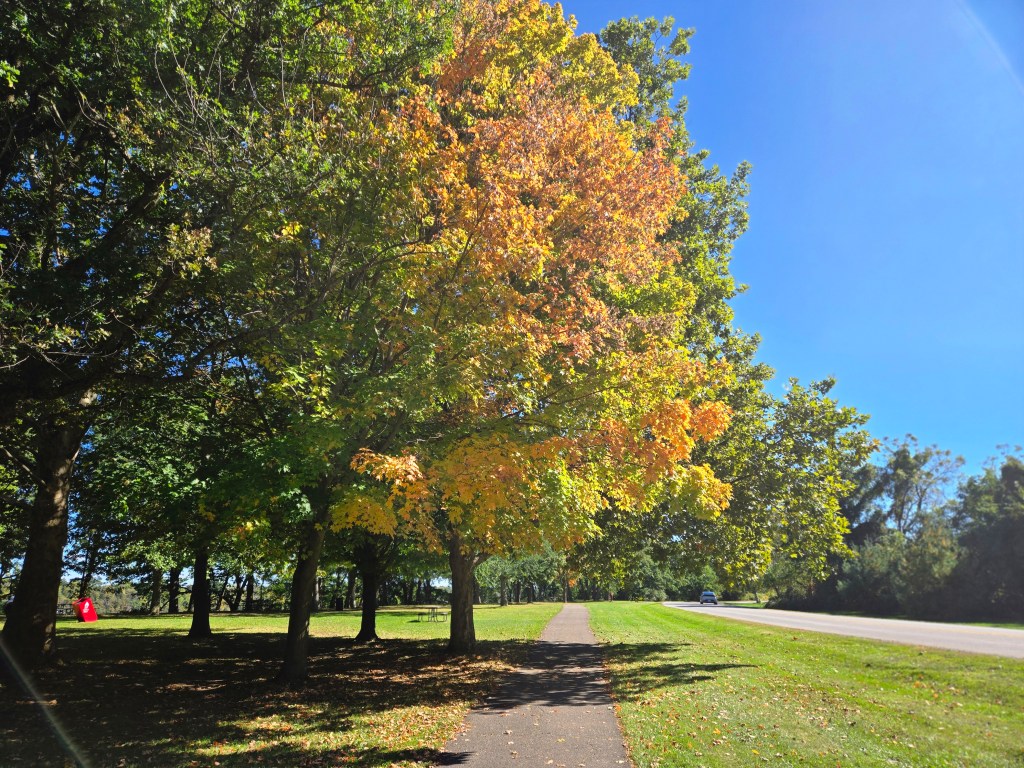
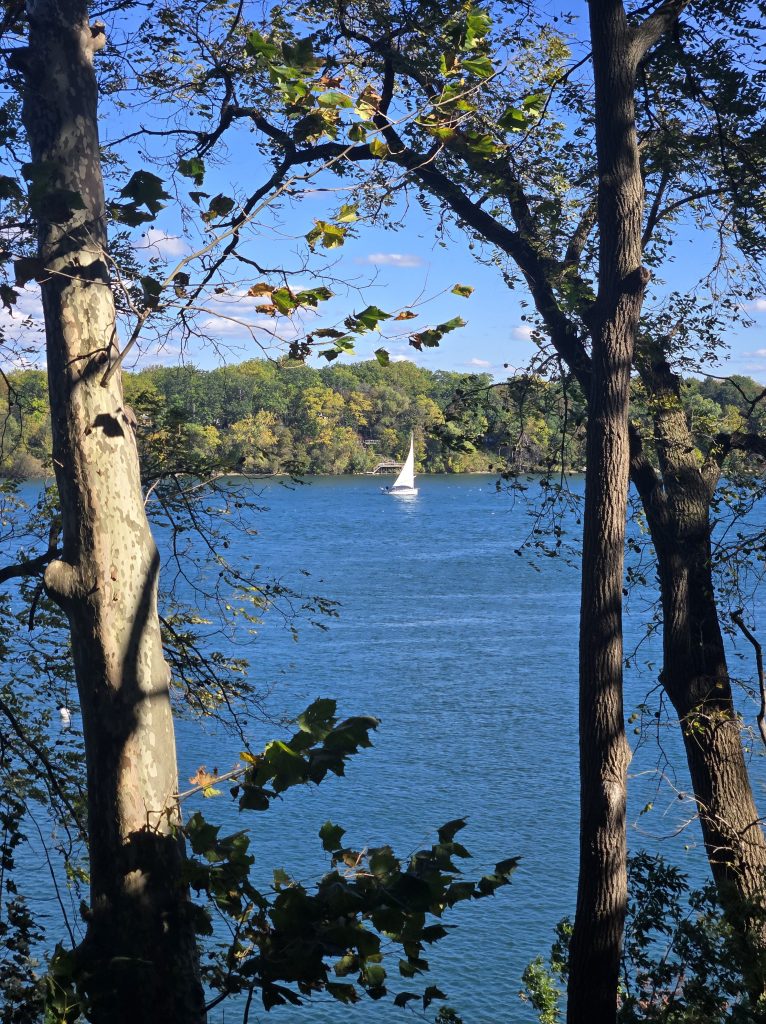
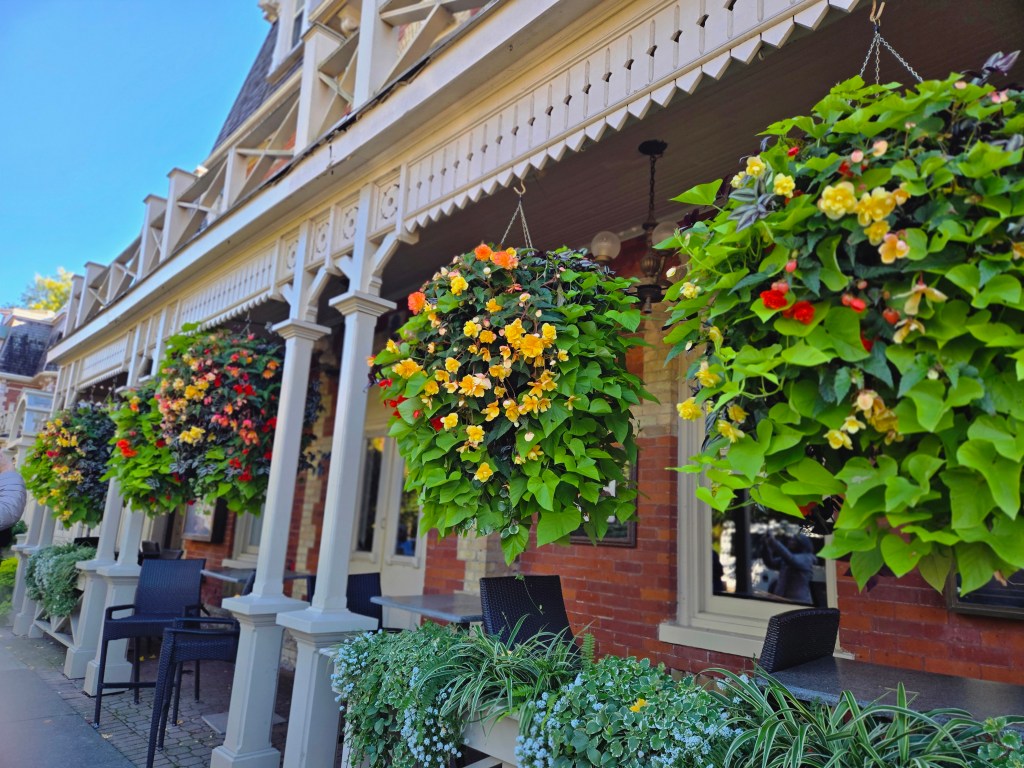
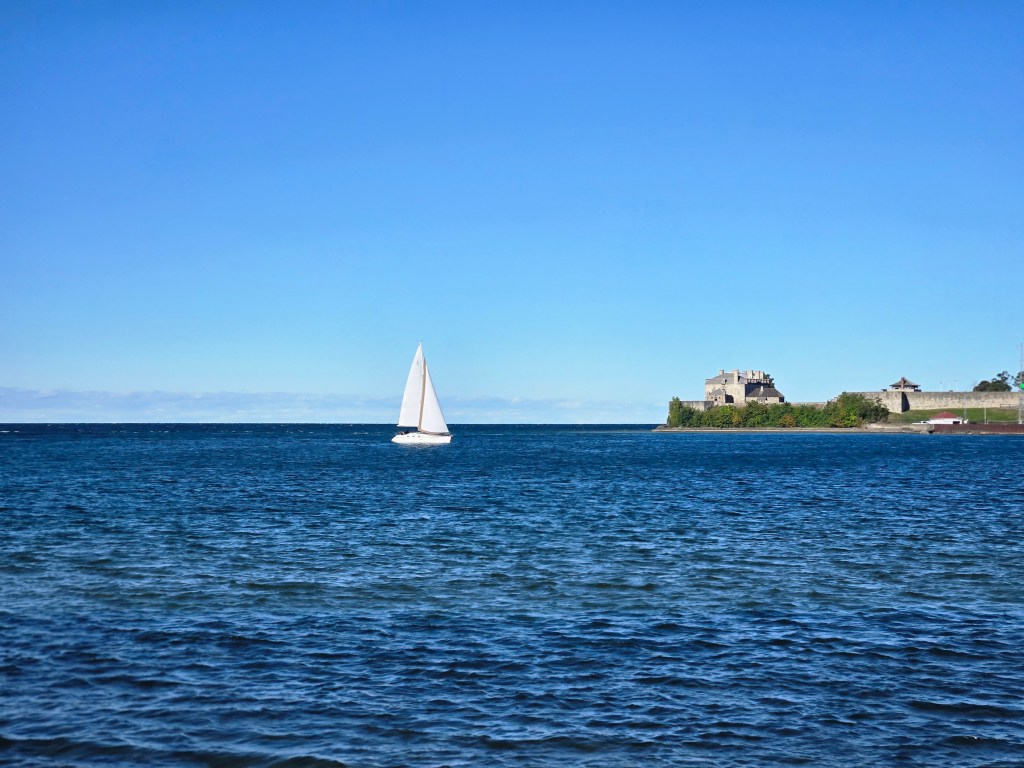
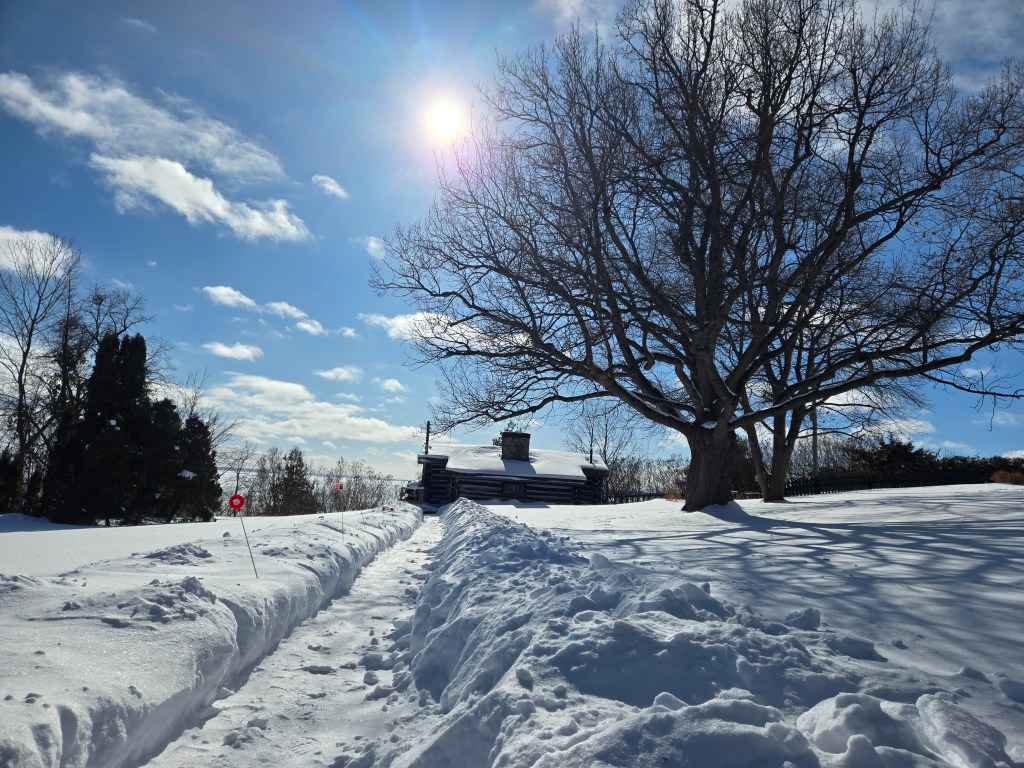
Niagara Falls-on-the-Lake
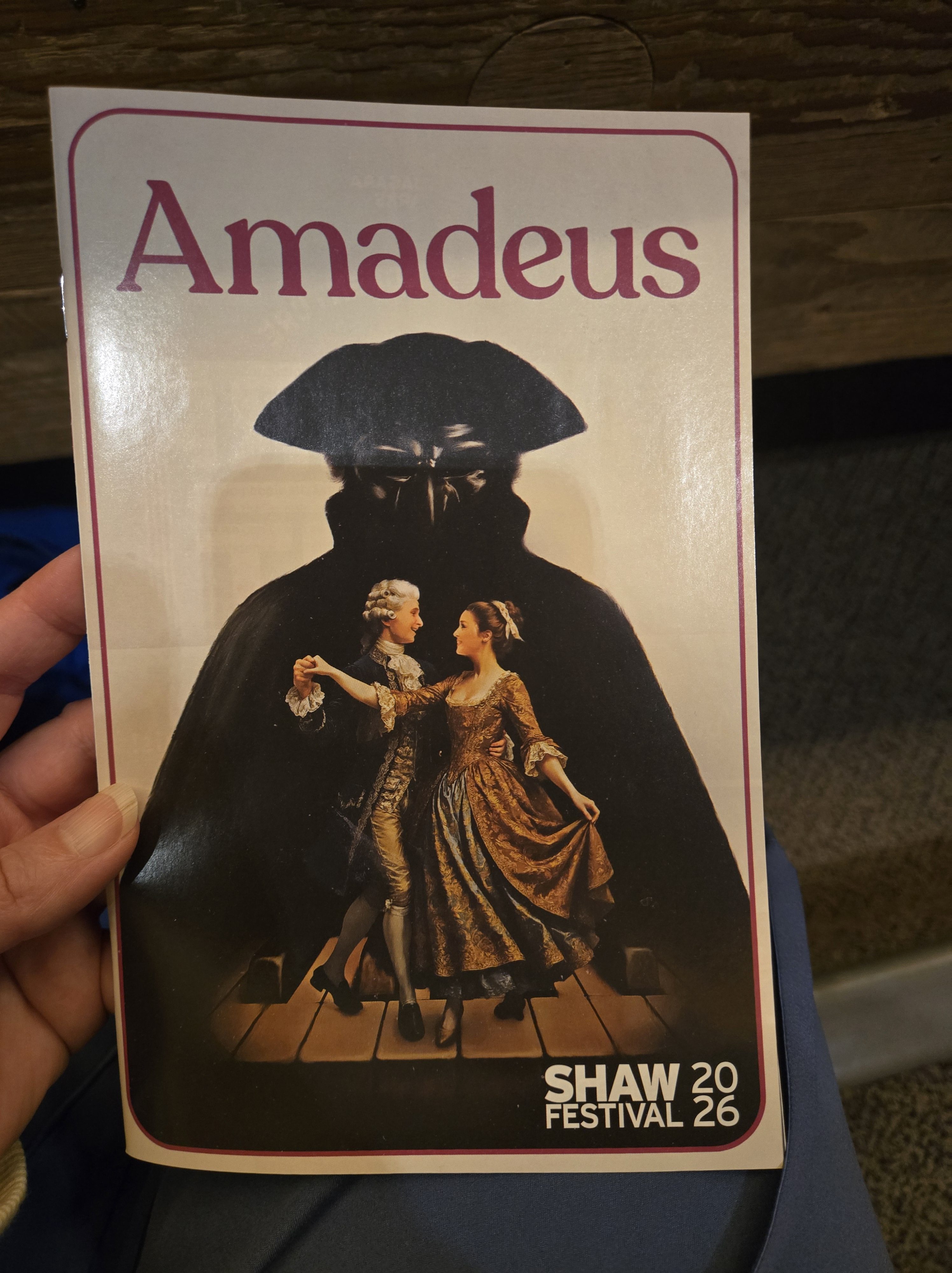
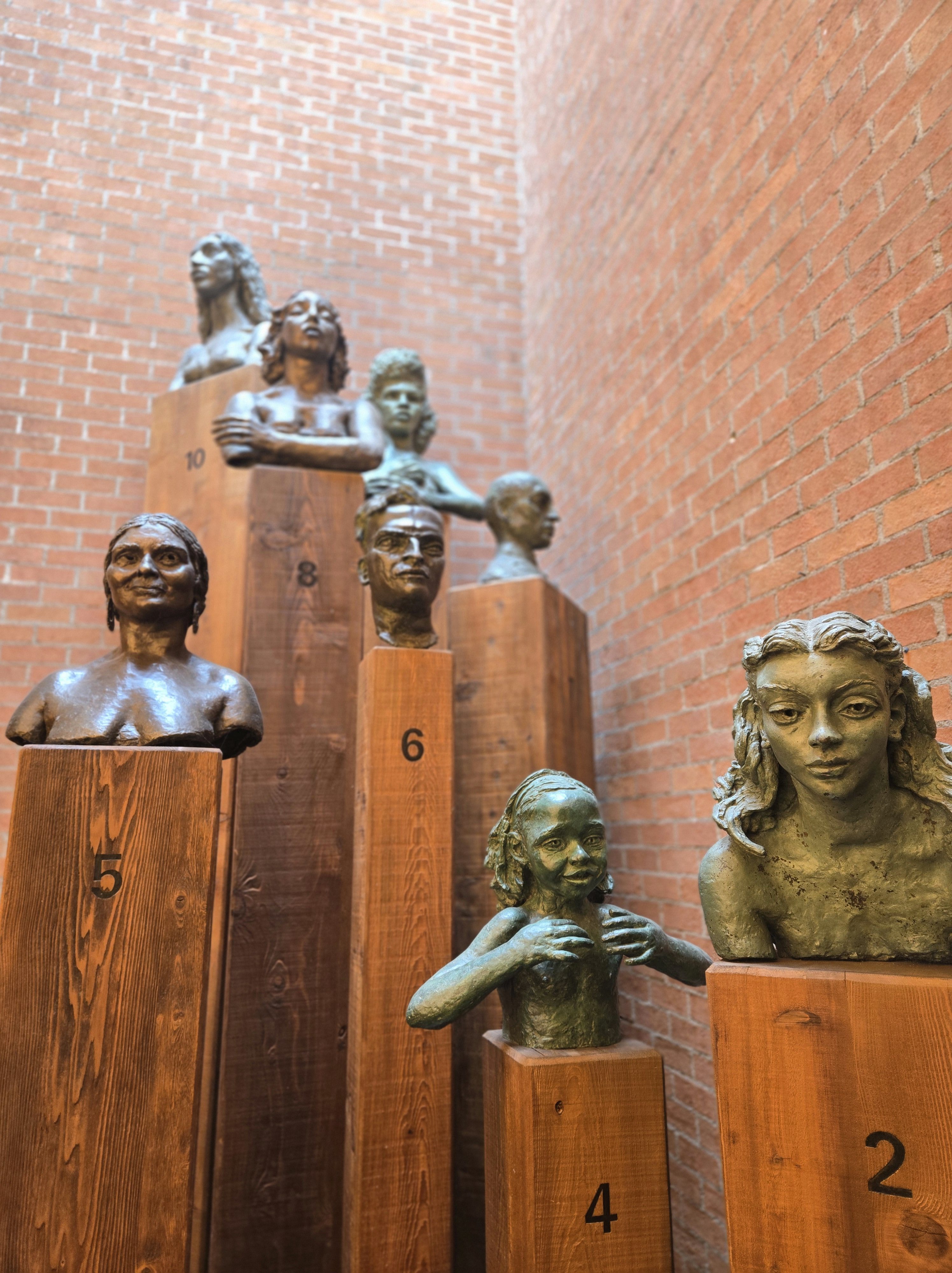
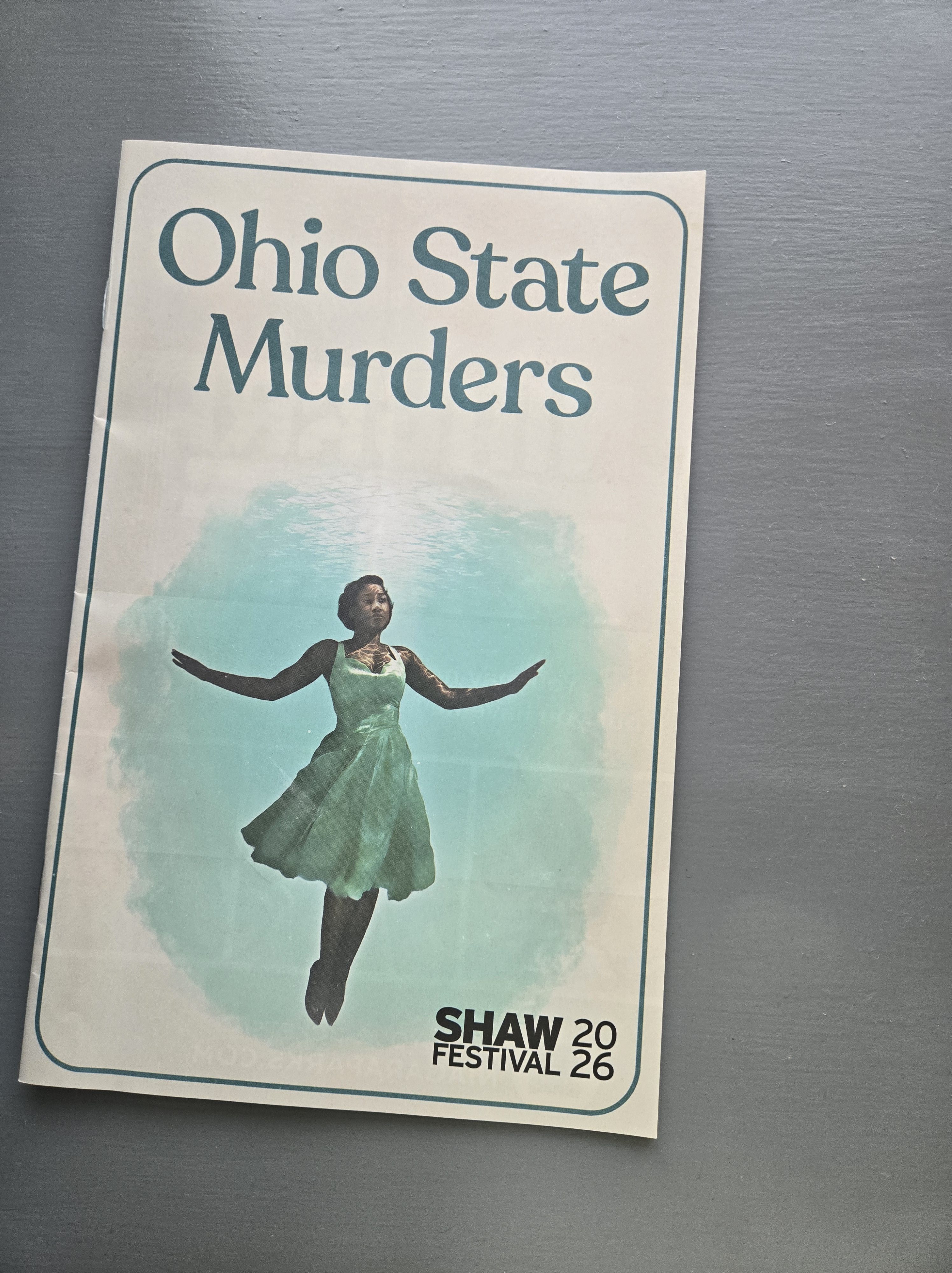
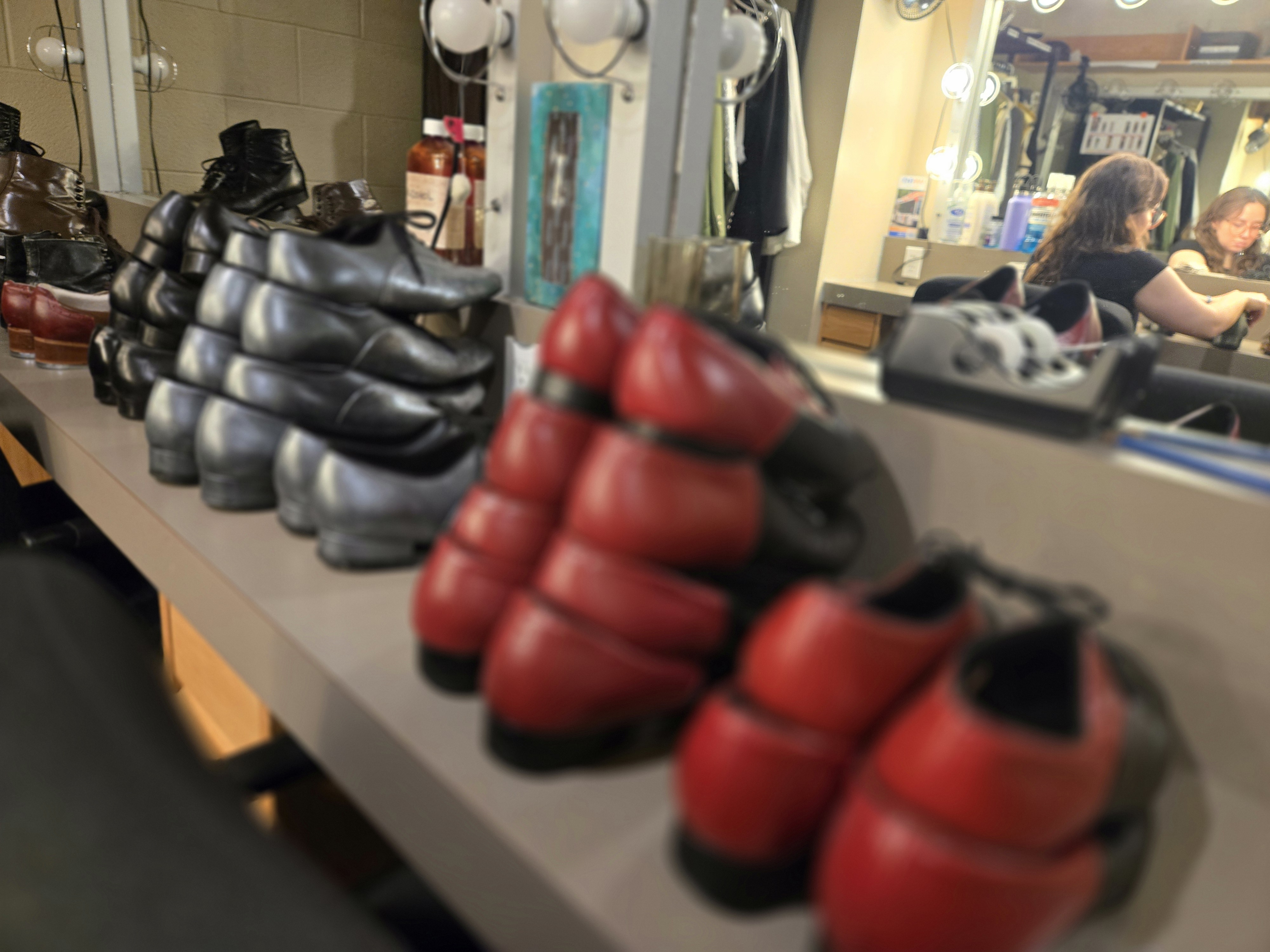
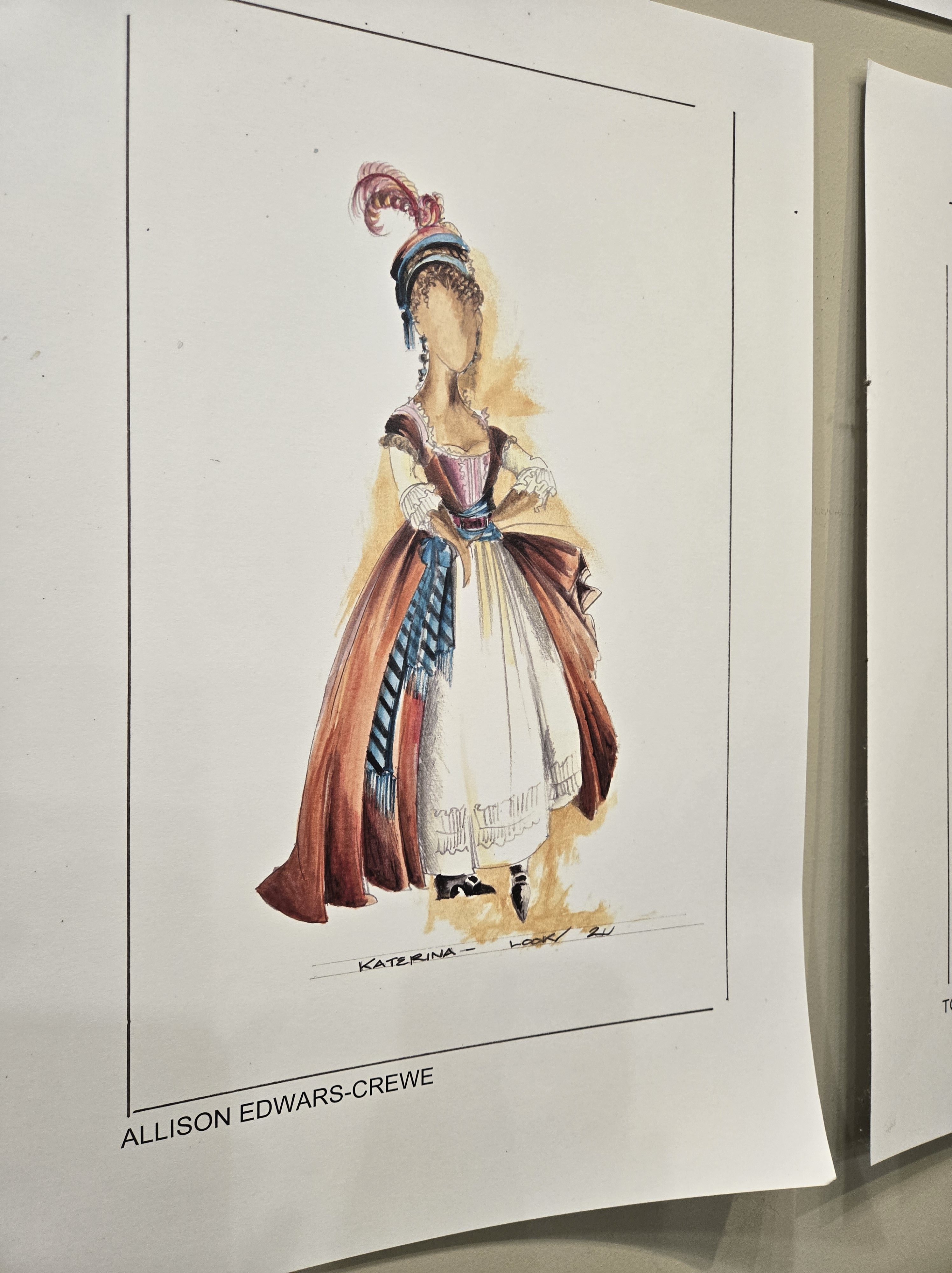
Three great days, two great plays.
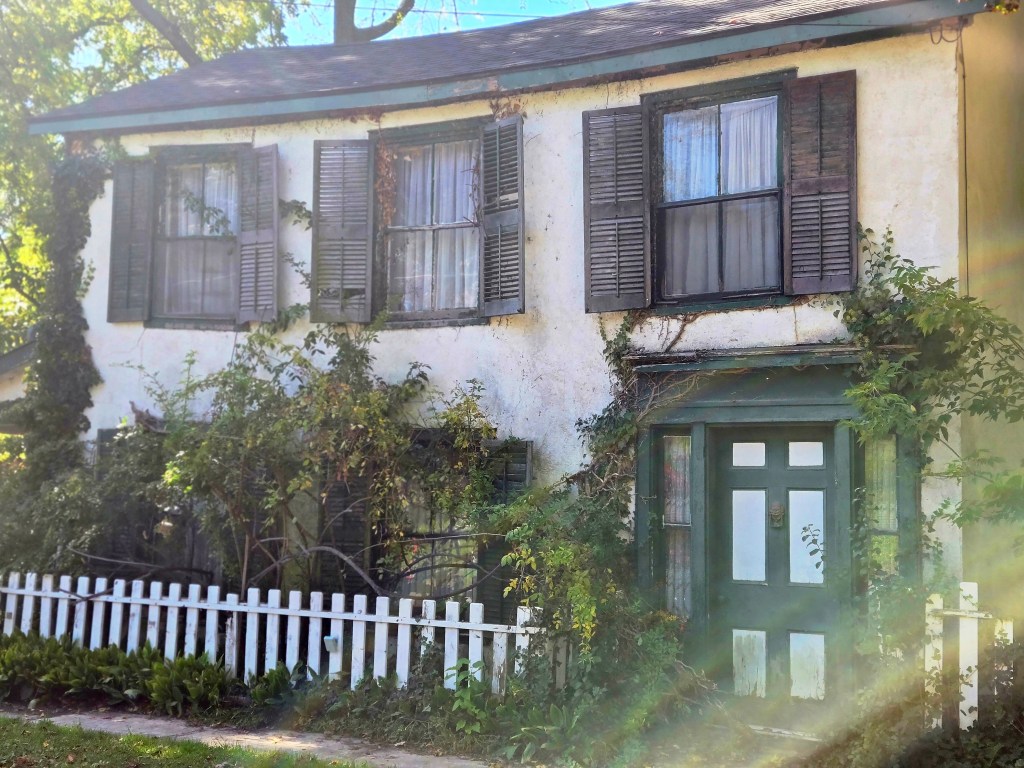


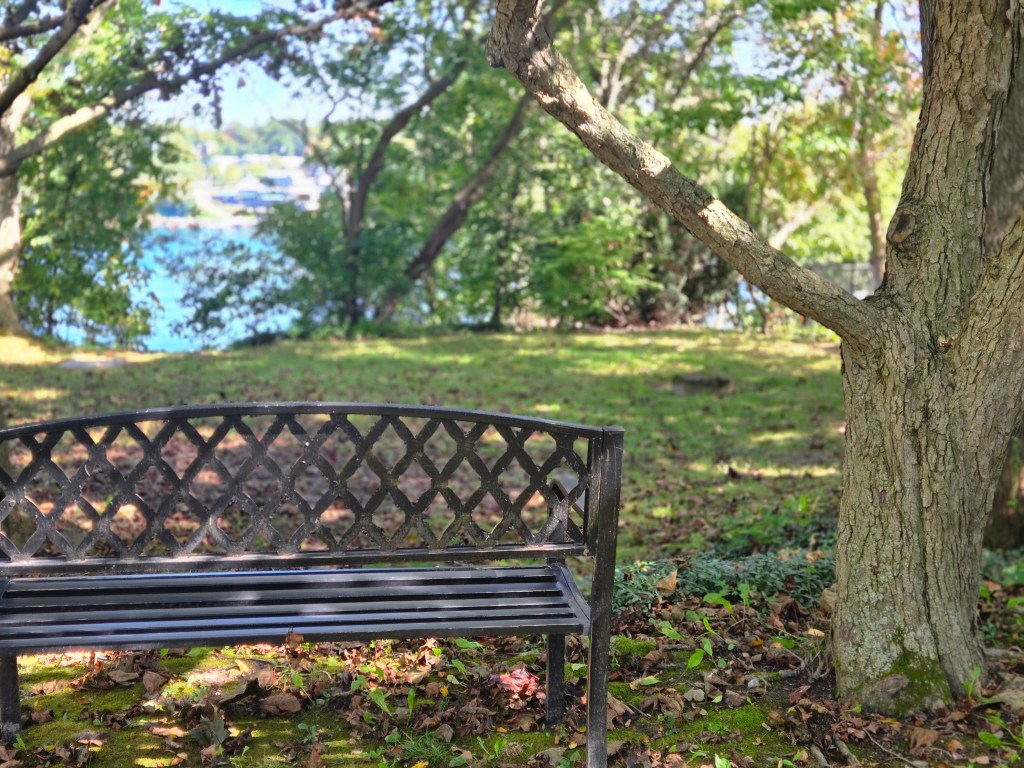
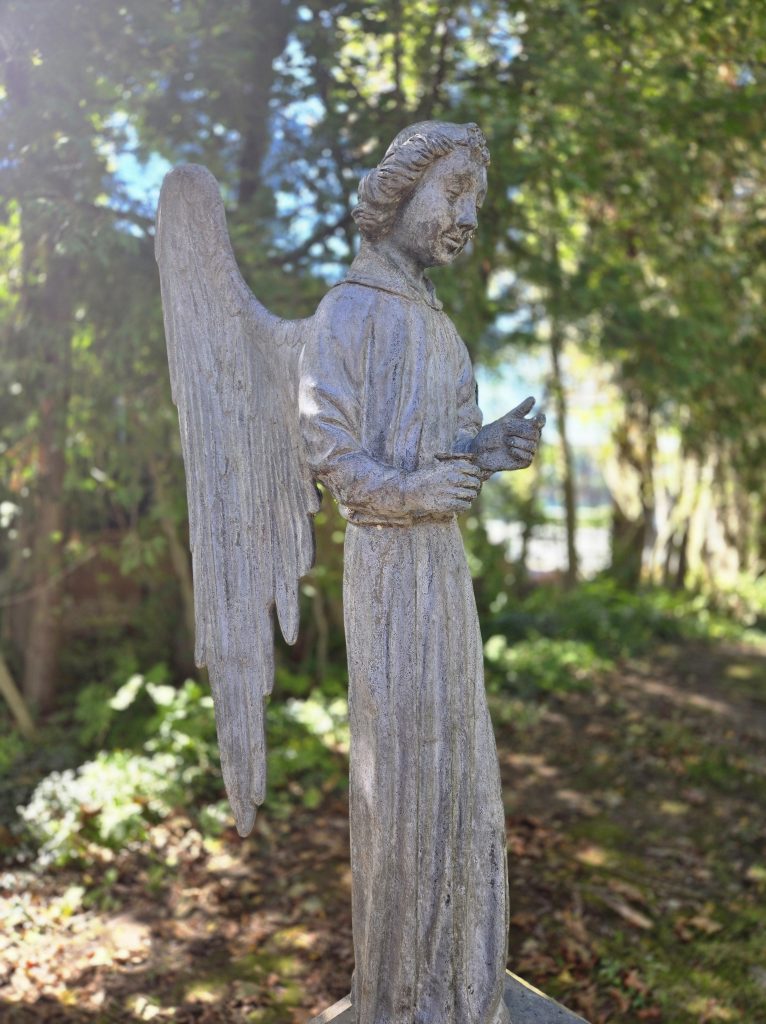
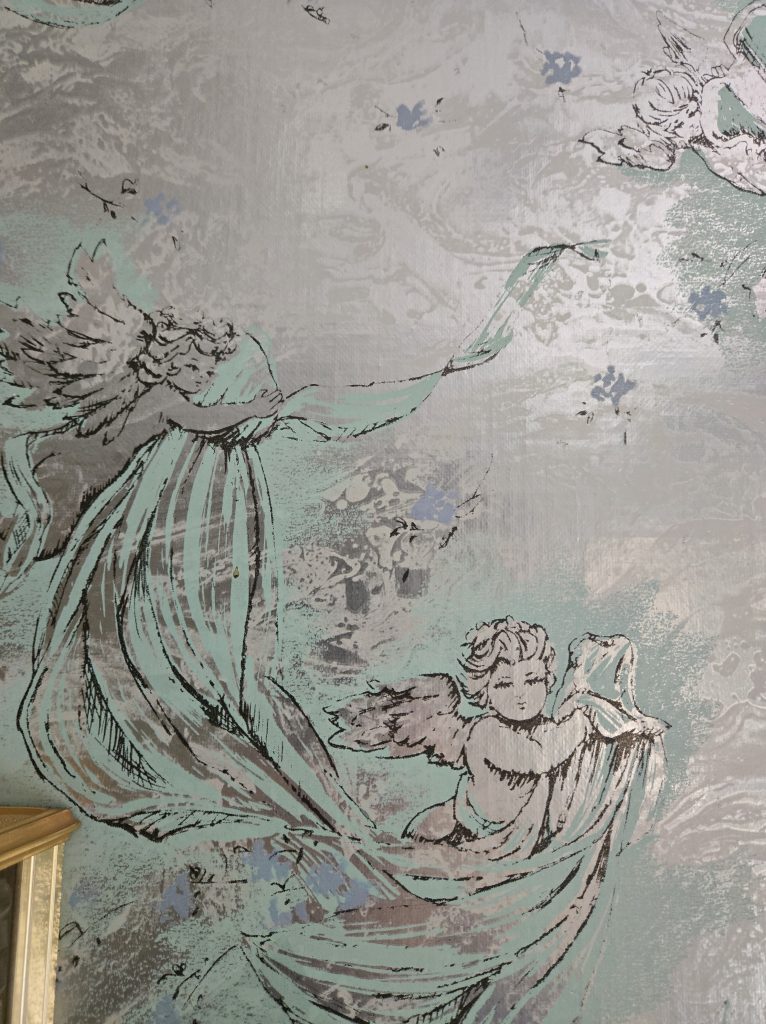
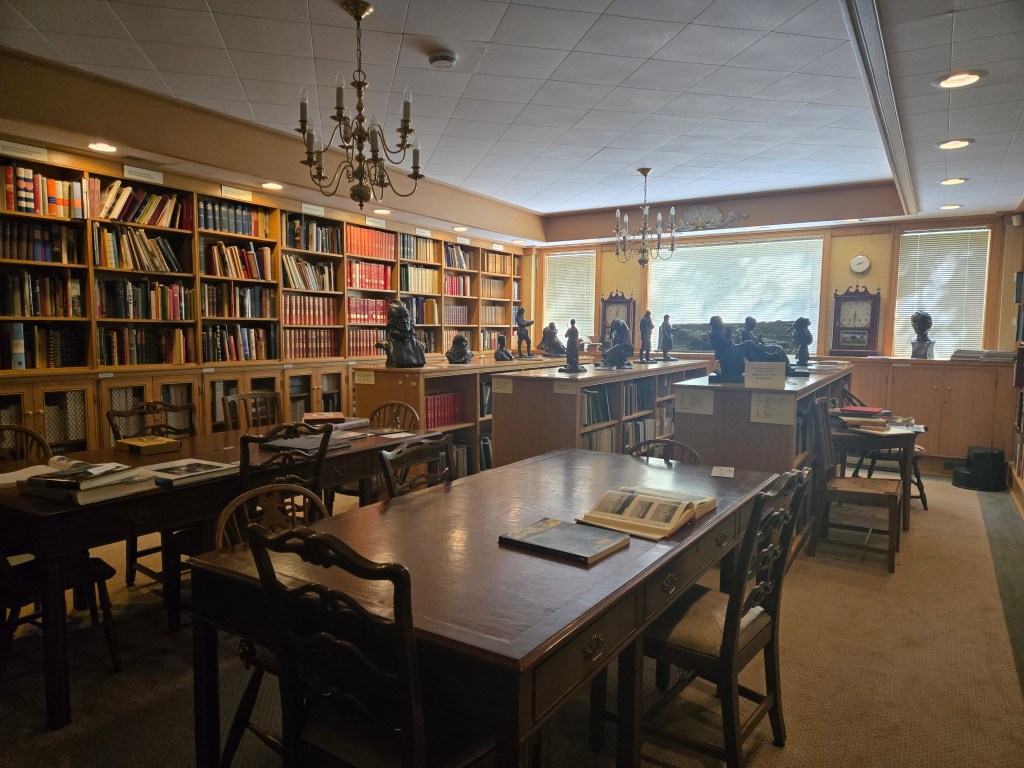
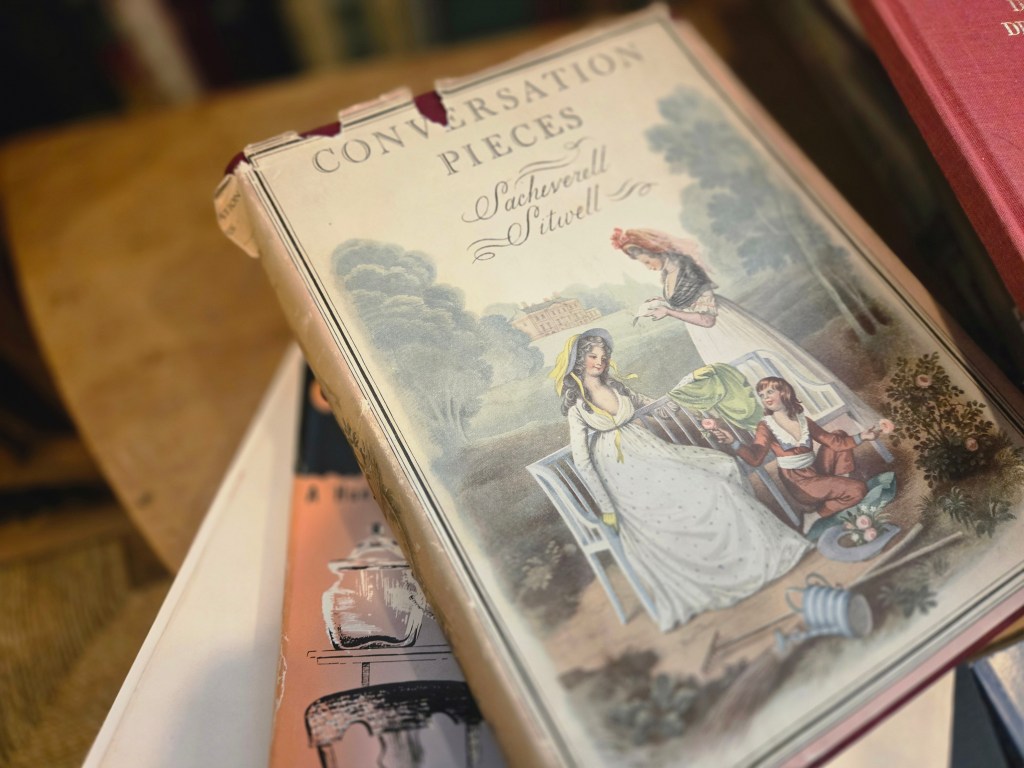
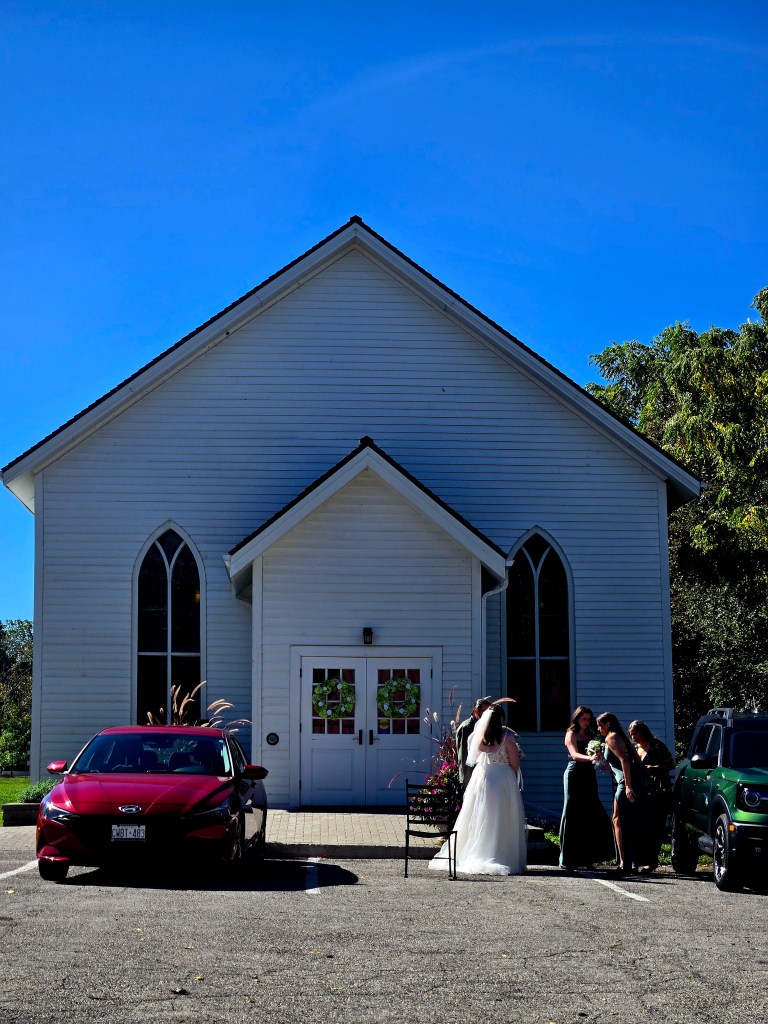


The Shaw Festival
Poems that Don’t Suck

The Shaw Festival visit led me back to the materials I had luckily saved on my Google Drive from the workshop I took in 2021 with Megan Falley: Poems That Don’t Suck.
On the train ride home, I began developing the world of a poem, working with “clouds and anchors” to explore what I want to capture about the experience of live theatre. This poem is in the works.
Head, Heart & Gut
Managing the most complex employee situations of my career requires head, heart, and gut. The work is challenging and rewarding, drawing on my strongest abilities with little strain on my nervous system.
My nervous system has healed.
Revisiting Poetry Writing
What is my new subject matter? (that won’t suck)
A more settled life requires me to find significance in my present life experiences with greater precision.
Because “I feel peaceful/ my nervous system is regulated” gives the reader relatively little to enter. And very little journey to go on.
It occurred to me that there’s a considerable amount of richness in the subject matter of the consequences of my commitments:
What happens to ambition when one takes Sabbath seriously?
How does obedience operate in a woman who values agency and has lived through feminist politics?
What does bodily pleasure mean within my current faith?
What can I give another person while accepting that I cannot repair their life?
These are significant poetic theses because they involve things I’ve experienced and continue to negotiate. What comes out is my true voice; humour, tenderness, discomfort, and surprise as well as serenity.
I also can’t deny that living well has become an active subject matter for me.
Making Room in 2027
Four silent retreats booked at Maryholme for 2027: four days, six days, eight days, and eight days, spread throughout the year. Twenty-six days set aside, with the dates entered in the calendar before the rest of the year takes shape. Returning to the same place will give me a way to observe what changes across the seasons, in the residency, and in my life between visits.
Soundtrack
Added this month:
- Mozart
- Nordic Jazz

